
Discover expert tips for a flawless spring fence installation, enhancing durability and style. Maximize your outdoor space effortlessly this season.
Author: CODESM Support
-
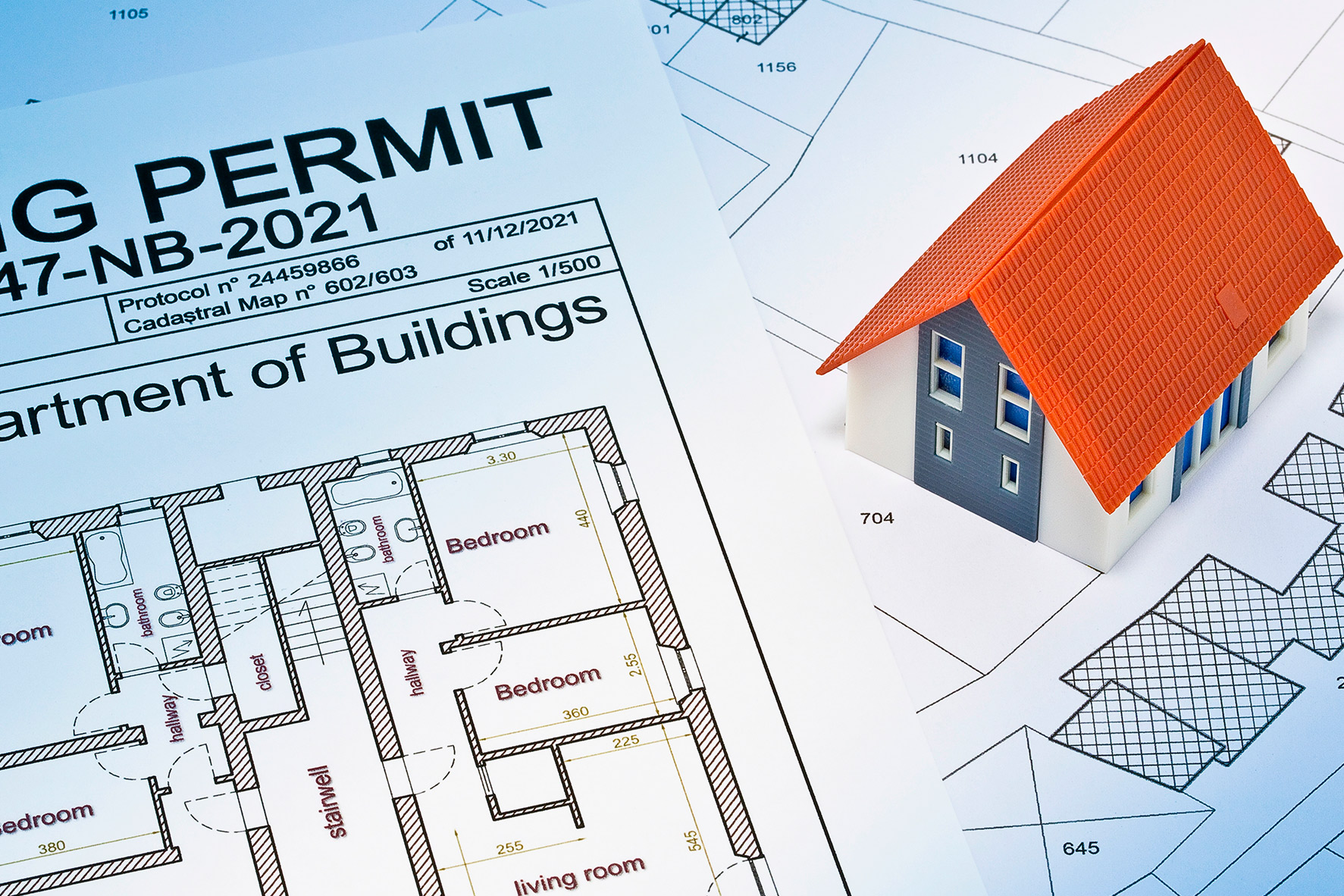
Do I Need a Permit for a Fence in NC? Complete Guide
Installing a fence can feel like a simple upgrade. Mark the line, pick your material, and start building. In North Carolina, though, there’s an important first step that often gets overlooked: understanding whether you need a permit.
This guide breaks down fence permit NC requirements so you can plan your project with confidence, avoid delays, and protect your investment.
Why Fence Permits Matter in North Carolina
A fence permit makes sure your project is built on solid ground, both legally and structurally. It confirms that your fence meets local zoning rules, stays within your property lines, and follows safety standards that protect your home and the surrounding area.
In North Carolina, where regulations vary from one city to the next, permits also act as a checkpoint. They ensure your plans are reviewed before construction begins, so issues like incorrect placement, excessive height, or restricted materials are caught early before they turn into costly fixes.
Skipping this step can lead to more than just paperwork problems. Homeowners may face fines, be required to move or remove the fence, or deal with delays when selling their property. Even a well-built fence can become a liability if it wasn’t approved properly.
There’s also a long-term benefit that’s easy to overlook. A permitted fence is documented, which helps with future repairs, property improvements, and resale. It shows that the work was done responsibly and in line with local requirements.
Do You Always Need a Fence Permit in NC?
North Carolina does not enforce a single statewide rule for fences. Instead, permit requirements are handled at the local level, meaning your city or county sets the standards.
When a Permit is Typically Required
A permit is usually necessary when you are installing a brand-new fence, replacing a significant portion of an existing one, or making changes that affect height, material, or placement.
When a Permit May Not Be Required
In some areas, minor repairs or standard backyard fences within height limits may not require a permit. However, this varies widely. What’s allowed in one town may not be allowed in another just a few miles away.
The safest approach is simple: verify before you build.
Understanding Fence Height Limits in NC
Front yard fences are usually limited to around four feet. This keeps sightlines open and maintains a consistent look across neighborhoods. It also plays a role in pedestrians and traffic safety.
Back and side yard fences typically allow more flexibility, with limits commonly ranging from six to eight feet. These areas are designed for privacy, so taller fences are generally acceptable within reason.
Zoning Rules: The Local Layer You Can’t Skip

While permits tell you if you can build, zoning determines what you’re allowed to build and where it can go on your property.
Setbacks, Easements, and Buildable Space
Setback requirements often mean your fence cannot sit directly on a sidewalk, road edge, or utility corridor. In some cases, you’ll need to leave a few feet of space between your fence and these areas to maintain safe access and visibility.
Utility easements are another critical detail. Even if the land is technically yours, easements give utility companies access for maintenance. Building a fence over these areas can lead to removal if access is needed later.
Special Zoning Conditions to Watch For
Some properties come with additional zoning considerations that can affect your fence plans.
Homes on corner lots, for example, must follow visibility rules that prevent fences from blocking sightlines at intersections. This often means reduced height or adjusted placement near the corner.
If your home is in a historic district, there may be design requirements to ensure your fence matches the character of the neighborhood. This can include restrictions on materials, height, and overall appearance.
Why Zoning is Where Projects Get Delayed
Most fence project delays happen at the zoning stage, not because the rules are complicated, but because they weren’t checked early enough.
The most reliable way to move forward is to confirm zoning details before finalizing your fence design. A quick check with your local planning department can clarify:
-
What’s allowed in your specific zoning district
-
Whether your layout meets setback requirements
-
If there are any special conditions tied to your property
HOA Rules: Often Stricter Than the City
HOAs are focused on maintaining a consistent look and feel across the neighborhood. Because of that, they often go beyond basic city requirements. It’s common to see rules that limit fence height, restrict certain materials, or require specific styles and colors that match surrounding homes.
For example, an HOA may allow only wood or vinyl fencing, prohibit chain link entirely, or require a uniform height across all properties. Some communities also restrict where fences can be installed, especially in front yards or highly visible areas.
Placement Rules and Property Lines
Where you place your fence is just as important as how you build it. Even a well-built, durable fence can become a problem if it’s installed in the wrong location. Placement rules are designed to prevent disputes, protect public access, and ensure long-term usability of your property.
Property Line Accuracy
Most municipalities require fences to be installed fully within your property boundaries. This is why a current survey is often part of the permit process. It provides a clear, legally recognized reference for where your fence can go.
Relying on old markers, assumptions, or neighboring fences can lead to mistakes. Even a small encroachment onto a neighbor’s property can result in disputes, formal complaints, or required relocation. In some cases, you may have to remove and reinstall sections of the fence entirely.
Setbacks and Public Space
Fences usually cannot be placed right up against sidewalks, roads, or certain shared areas. Local codes often require a setback: a small buffer space between your fence and public or utility zones.
These setbacks serve a few important purposes. They allow safe pedestrian movement, ensure access for maintenance crews, and prevent interference with underground or overhead utilities. Utility easements are especially important to watch for. Even though they may run through your property, they must remain accessible, and fences built over them may need to be removed if work is required.
Corner Lot Visibility
Homes located on corner lots have additional placement considerations. Local regulations typically require a “clear view” area near intersections so drivers and pedestrians can see each other without obstruction.
This often means fences near the corner must be shorter or set farther back from the intersection. In many cases, height limits in these zones drop to around three feet, even if the rest of your fence is taller.
Gates, Access, and Practical Layout
Beyond basic placement, it’s also important to think about how the fence will function day to day. Gate placement should allow easy access for people, equipment, and maintenance without interfering with setbacks or public space.
A well-planned layout considers:
-
Smooth entry and exit points
-
Clearance for landscaping or future repairs
-
Alignment that follows the natural shape of the property
Fence Works takes time to plan these details to ensure that your fence is not only compliant but also easy to use, maintain, and live with over the long term. Check some of our works here.
Fence Permit NC Requirements at a Glance
Requirement Area
Typical Rule in NC
Why It Matters
Permit Trigger
New build, major replacement, tall fence
Ensures code compliance
Front Yard Height
~4 feet
Maintains visibility and streetscape
Backyard Height
6–8 feet
Privacy without safety risks
Property Line Setback
2–5 feet (varies)
Prevents disputes and encroachment
Materials
No barbed/electric; limits on chain link
Safety and neighborhood standards
HOA Approval
Often required
Can override city allowances
Corner Lots
Lower height near intersections
Protects driver visibility
The Fence Permit Process in NC
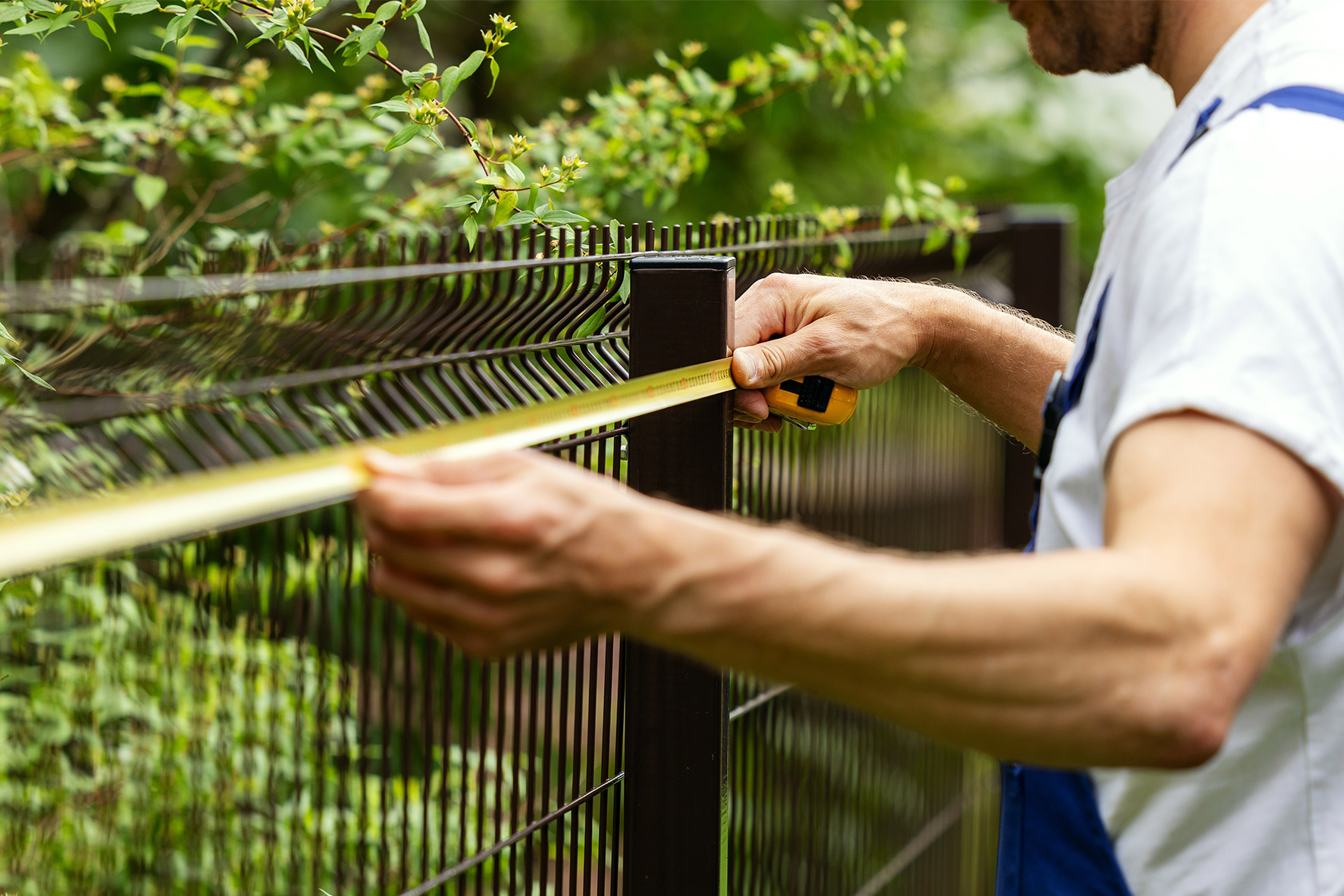
Preparing Your Documents
Most applications require a property survey, a site plan showing fence placement, and details about materials and height. Clear, accurate documentation helps reviewers approve your application faster.
Submitting the Application
Depending on your municipality, you may apply online or in person. Fees vary but are typically modest compared to the overall project cost.
Review and Approval
Review times are often around one to two weeks. If additional information is needed, responding quickly helps keep your timeline on track. Once approved, you’re ready to move forward with confidence.
Preparing Your Site the Right Way
Before installation begins, proper site preparation sets the tone for the entire project. A fence that’s carefully planned and installed on a well-prepared site will be more stable, longer lasting, and far less likely to run into issues later.
Locating Underground Utilities
One of the most important first steps is calling 811 to have underground utilities marked. This free service identifies the location of gas, electric, water, and communication lines before any digging begins.
Clearing and Preparing the Fence Line
A clean, open fence line makes a noticeable difference in how smoothly the installation goes. Removing brush, roots, rocks, and debris allows posts to be set at the correct depth and alignment without obstruction.
Confirming Layout and Measurements
Before any digging begins, the fence layout should be clearly marked using stakes and string lines. This step helps verify that the fence follows property boundaries, respects setbacks, and aligns with your design plan.
It’s also the best time to double-check gate locations, transitions between sections, and how the fence interacts with existing structures like driveways, patios, or landscaping.
Planning for Drainage and Soil Conditions
North Carolina properties can vary widely in soil type and grading, which makes drainage an important consideration. Areas where water collects can weaken posts over time, especially if they are not properly set and reinforced.
Planning for drainage may involve slight grading adjustments or choosing installation methods that improve stability in softer soil. Proper post depth and allowing concrete to cure fully are key to ensuring the fence remains sturdy through seasonal changes and heavy weather.
Access for Installation and Equipment
It’s also important to think about how crews and materials will access the site. Narrow pathways, landscaping features, or obstacles can affect how efficiently the work can be completed.
Creating clear access points helps the installation move in phases without unnecessary delays. It also reduces the risk of damage to surrounding areas, keeping the job site clean and controlled throughout the process.
Protecting Your Property During the Process
Good preparation includes protecting what’s already there. Identifying sprinkler systems, garden beds, and hardscape features ahead of time helps prevent accidental damage during digging and installation.
What Happens If You Build Without a Permit?
Skipping the permit process can seem like a way to move faster, but in most cases, it creates more problems than it solves. What starts as a simple shortcut can quickly turn into delays, added costs, and avoidable stress.
Financial Consequences That Add Up
Most North Carolina municipalities issue fines for unpermitted construction, and those fines can increase over time if the issue isn’t corrected. What may begin as a small penalty can grow into a larger expense, especially if enforcement continues over several days or weeks.
Required Changes or Full Removal
If a fence is built without approval, the city has the authority to step in at any stage of the project, even after it’s fully completed. You may be required to stop work, make modifications, or remove the fence entirely.
This often means paying twice: once for the original installation and again to correct or rebuild it to meet code. Even a well-built fence may need to be taken down if it doesn’t meet zoning or placement requirements.
Delays During Property Sales
Unpermitted work can create complications when it’s time to sell your home. Buyers, inspectors, and lenders often look for documentation showing that improvements were completed in compliance with local regulations.
If a fence doesn’t have proper approval, it may need to be addressed before closing. That can delay the sale, lead to renegotiations, or require last-minute fixes under tight timelines.
Neighbor Disputes and Complaints
Fences sit right on the edge of shared space, so they naturally involve your neighbors. If a fence is built without proper approval, it increases the chances of disagreements over property lines, height, or appearance.
A neighbor complaint is one of the most common ways unpermitted work comes to a city’s attention. From there, the issue can escalate into formal enforcement or even legal action, which adds time, cost, and tension that could have been avoided.
The Bigger Picture: Avoiding Rework
The most important thing to understand is that building without a permit doesn’t just risk penalties. It risks redoing the entire project.
Permits exist to catch issues early, when they’re easy and inexpensive to fix. Skipping that step pushes those corrections to the end of the process, when they’re far more disruptive.
Start Your Fence Project with a Clear Plan with Fence Works
At Fence Works, the goal is simple: build fences the right way while making the process easy to understand and easy to follow.
With an experienced crew, clear communication, and a focus on the right fencing material and proper installation methods, every project is approached with long-term value in mind. Posts are set and allowed to cure properly before building begins. Layouts are measured carefully. Work is done in phases, not rushed, so the final result is sturdy, clean-lined, and built to last. Check our offered solutions here.
Homeowners also benefit from a straightforward process, including fast estimates and a tech-forward design tool, Design and Estimate tool, that lets you plan your fence with clarity before construction begins.
If you’re thinking about installing a fence in North Carolina, the next step is simple: start with a plan that’s clear, code-compliant, and built for peace of mind. Contact us today to learn more.
-
-
Wood Fence Repair Cost Guide 2026: Budgeting for Fixes
Wood fence repair costs in 2026 reflect a mix of material pricing, labor demand, and the condition of the fence itself. For homeowners, knowing what drives those costs makes it easier to plan ahead and avoid unnecessary expense.
Across the industry, most wood fence repairs fall between $150 and $800 per section, with total project costs typically ranging from $304 to $946, depending on how extensive the damage is. Labor plays a significant role in that total, averaging $40 to $65 per hour for professional repair work.
A wood fence installation is a long-term investment in your property. Staying ahead of repairs protects that investment, preserves curb appeal, and keeps your property secure.
What Shapes Wood Fence Repair Costs in 2026
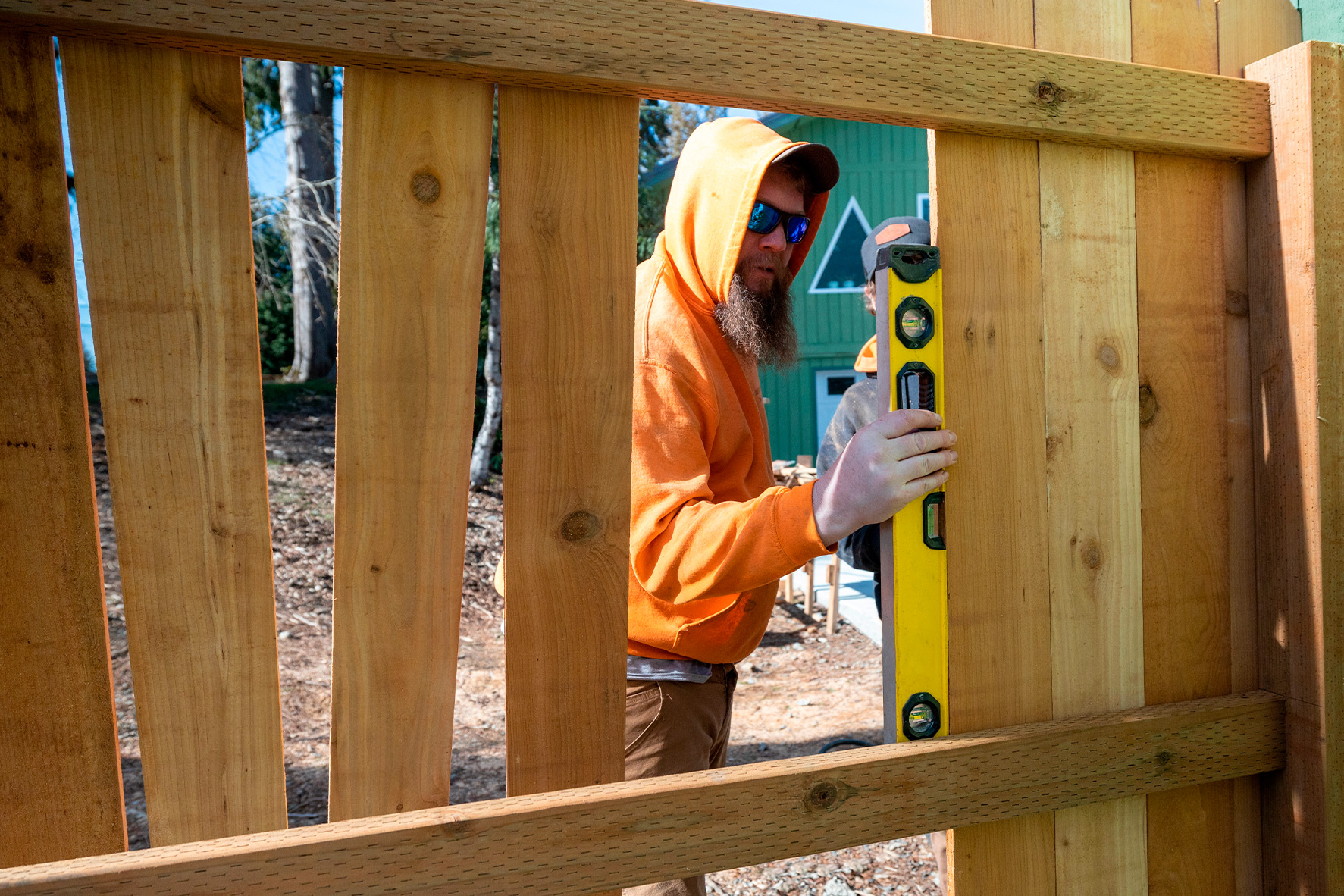
Repair costs are never one-size-fits-all. Several factors come into play and understanding them helps set realistic expectations before work begins.
A few elements consistently influence pricing:
-
Material availability and pricing Lumber costs continue to shift with supply conditions. Cedar, known for its natural resistance to rot, comes at a higher price point, while pressure-treated pine offers a more budget-friendly option with solid durability.
-
Labor demand and schedulingSkilled fence contractors are often booked during peak seasons. That demand can influence both pricing and how quickly repairs can be completed.
-
Type and extent of damageReplacing a few pickets is straightforward. Structural repairs involving posts, rails, or multiple sections require more time and materials, increasing the overall cost.
-
Local market conditionsPricing varies by region. Areas like Graham, NC, and Alamance County tend to fall in a moderate range compared to larger metro areas.
Planning with these factors in mind allows homeowners to make informed decisions about timing, scope, and budget.
Common Wood Fence Problems and What They Cost
Wood fences naturally face wear over time, especially in climates with humidity, storms, and seasonal shifts. Recognizing early signs of damage keeps repair costs manageable.
Typical Issues Homeowners Encounter
Most repair projects stem from a handful of common problems:
-
Broken or missing boardsOften caused by storms, impact, or general aging, these gaps reduce both privacy and security.
-
Leaning or unstable postsWeak foundations, shifting soil, or rot can cause entire sections to tilt or sag.
-
Rotting or splitting woodMoisture exposure breaks down untreated or aging wood, reducing structural strength.
-
Insect damageTermites and carpenter ants can weaken the fence from the inside if not addressed early.
Catching these issues early helps avoid more extensive repairs later on.
Average Repair Costs in 2026
Understanding typical pricing gives a clearer picture of what to expect when planning repairs.
Repair Type
Average Cost
Individual picket replacement
$8–$15 per picket
Rail repair
$25–$50 per rail
Post replacement
$75–$250 per post
Section repair
$150–$800 per section
Leaning fence correction
$200–$400
Rot repair or replacement
$150–$500
These ranges include both materials and labor, with variation depending on site conditions and material choice.
Even small repairs contribute to extending the life of your fence. With proper care, a wood fence can last anywhere from 15 to 30 years, making timely repairs a practical investment.
When to Handle Repairs Yourself and When to Bring in a Professional
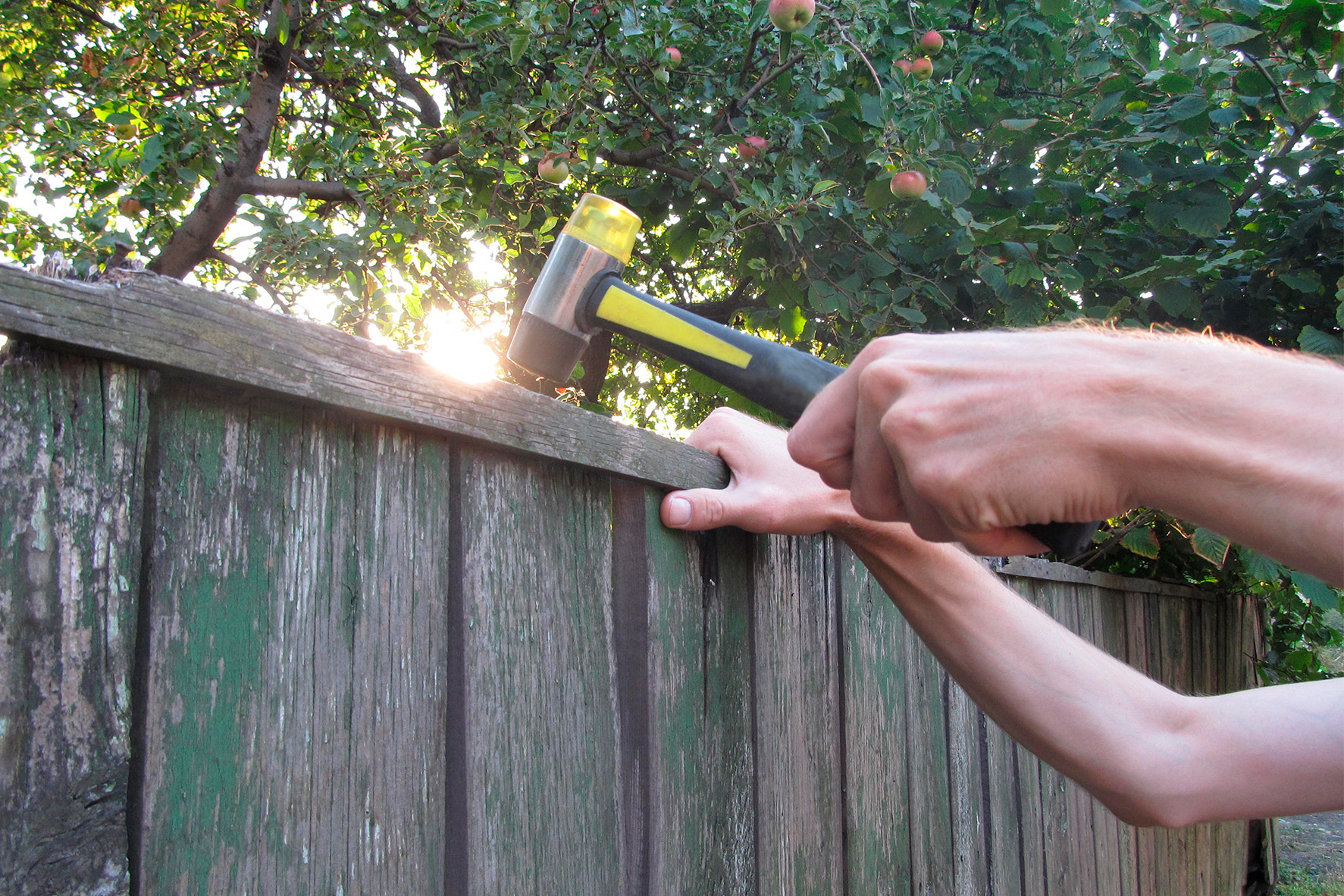
Some fence repairs are manageable for a homeowner, while others require the right tools and experience to ensure lasting results.
Repairs That Work Well as DIY Projects
Taking care of smaller issues can help control costs:
-
Replacing individual pickets
-
Tightening loose nails or screws
-
Applying sealant or stain for protection
These projects can reduce repair expenses by 60–70% when handled correctly.
Repairs That Require Professional Work
Structural issues demand a different level of precision:
-
Post replacement and resetting
-
Rail reconstruction
-
Correcting leaning or unstable sections
-
Extensive rot repair
Proper installation techniques, including correct post depth and concrete curing, make a significant difference in how long a fence lasts. A professionally repaired fence can extend its lifespan well beyond 20 years.
Working with an experienced contractor ensures the repair is done right the first time, avoiding repeat issues.
Labor, Materials, and Site Conditions for Fenc Installation and Repair: A Closer Look
Beyond the visible damage, several underlying factors affect the final cost of a repair project.
Labor Costs and Time Requirements
Professional repair work typically falls between $40 and $65 per hour, depending on the complexity of the job.
-
Simple repairs often take 2–4 hours
-
Structural work may require additional time and crew support
Labor becomes a larger portion of the total when repairs involve alignment, digging, or resetting posts.
Material Choices and Their Impact
Choosing the right material affects both upfront cost and long-term performance.
Material
Cost Level
Key Benefit
Pressure-treated pine
Lower
Affordable and durable with maintenance
Cedar
Higher
Naturally resistant to rot and insects
Redwood
Premium
High-end appearance and durability
Different types of wood have different price points. Pressure-treated pine remains a practical option for many homeowners, offering durability at a lower cost, while cedar carries a higher upfront price but reduces maintenance over time and performs well in humid conditions.
Property Conditions That Influence Pricing
Site-specific factors often play a role in how repairs are priced:
-
Fence heightTaller fences (7–8 feet) can increase costs by 20–30% due to added materials and labor.
-
Terrain and soil conditionsSloped yards or rocky soil can slow installation and increase labor requirements.
-
AccessibilityLimited access to the work area may require additional time and equipment.
Each of these factors is considered during a professional estimate to ensure accurate pricing.
Budgeting for Fence Repairs
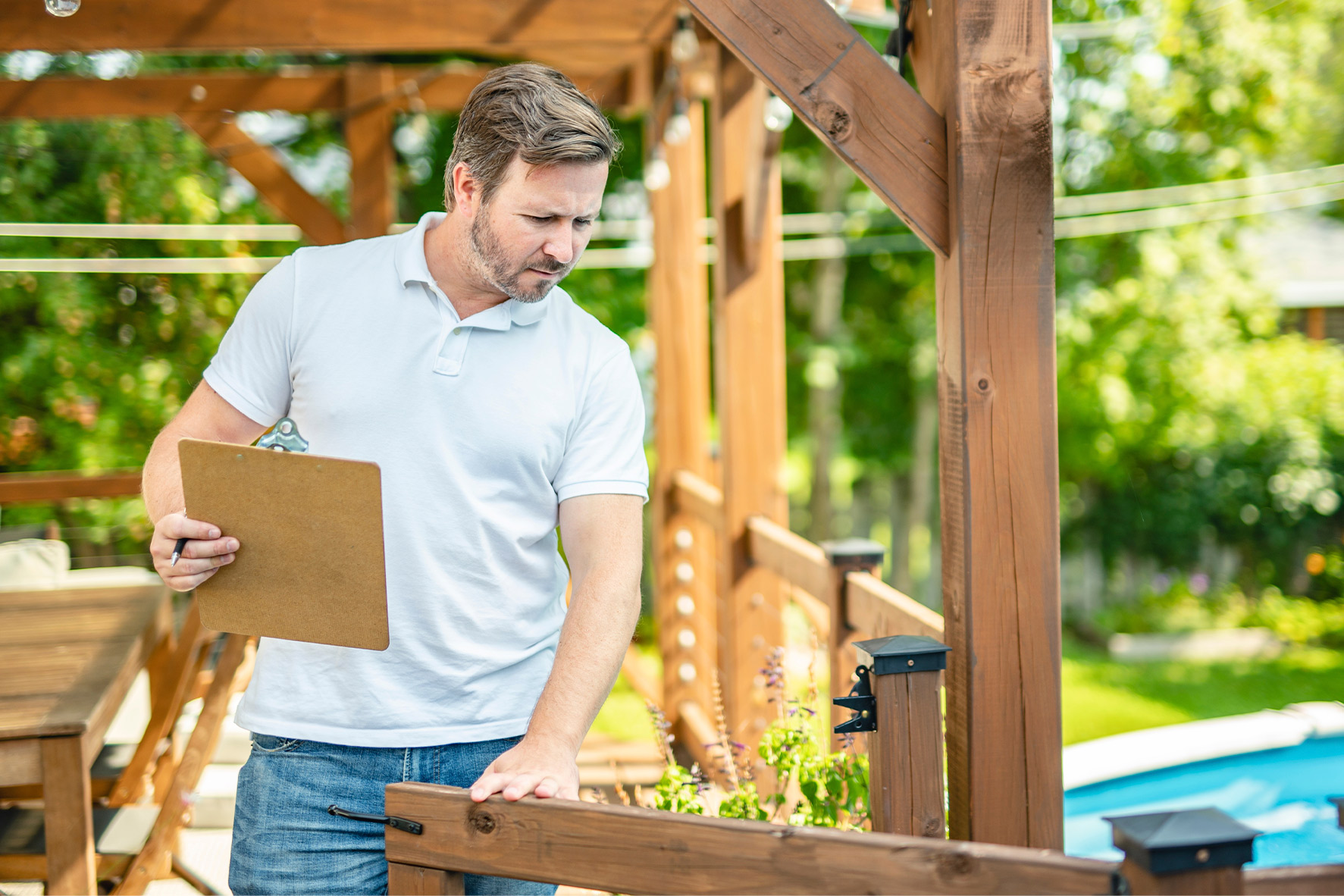
A proactive approach helps keep repair costs under control and avoids larger expenses down the line.
Practical Ways to Manage Costs
Taking a few simple steps can make a noticeable difference:
-
Schedule regular inspections to catch early signs of damage
-
Combine multiple small repairs into one project to reduce labor costs
-
Plan repairs during slower seasons when scheduling is more flexible
-
Watch for seasonal material pricing changes to secure better rates
When requesting estimates, detailed and itemized quotes provide clarity on what is included. Comparing multiple quotes helps ensure fair pricing, while also highlighting differences in workmanship, materials, and warranty coverage.
Why Homeowners Trust Fence Works
Choosing the right contractor makes a lasting difference in both the quality of the repair and the lifespan of your fence.
Fence Works brings over 15 years of hands-on experience to every project, combining skilled craftsmanship with a straightforward, customer-first approach. Every repair is handled with attention to detail, from proper post setting to clean, consistent finishes.
Homeowners benefit from:
-
Custom repair solutions tailored to each property
-
High-quality materials selected for durability
-
Competitive pricing with quote matching options
-
Fully licensed, bonded, and insured service
-
Warranty-backed workmanship for added peace of mind
Each project is approached with the goal of delivering a fence that holds up over time and adds value to the property.
Reliable Repairs That Protect Your Investment
A well-maintained fence does more than define a boundary. It adds privacy, strengthens security, and enhances the overall look of your property.
Fence Works provides dependable wood fence repair services throughout Graham, NC, and surrounding areas. Whether dealing with leaning sections, damaged boards, or signs of rot, every repair is completed with care and precision using materials built to last.
Small issues can quickly turn into larger problems if left unattended. Addressing them early keeps costs manageable and extends the life of your fence.
For homeowners ready to restore strength, stability, and appearance to their fence, Fence Works offers clear estimates, dependable service, and results that stand up over time. Reach out today to schedule a free estimate and take the next step toward a fence that works as it should.
-
-
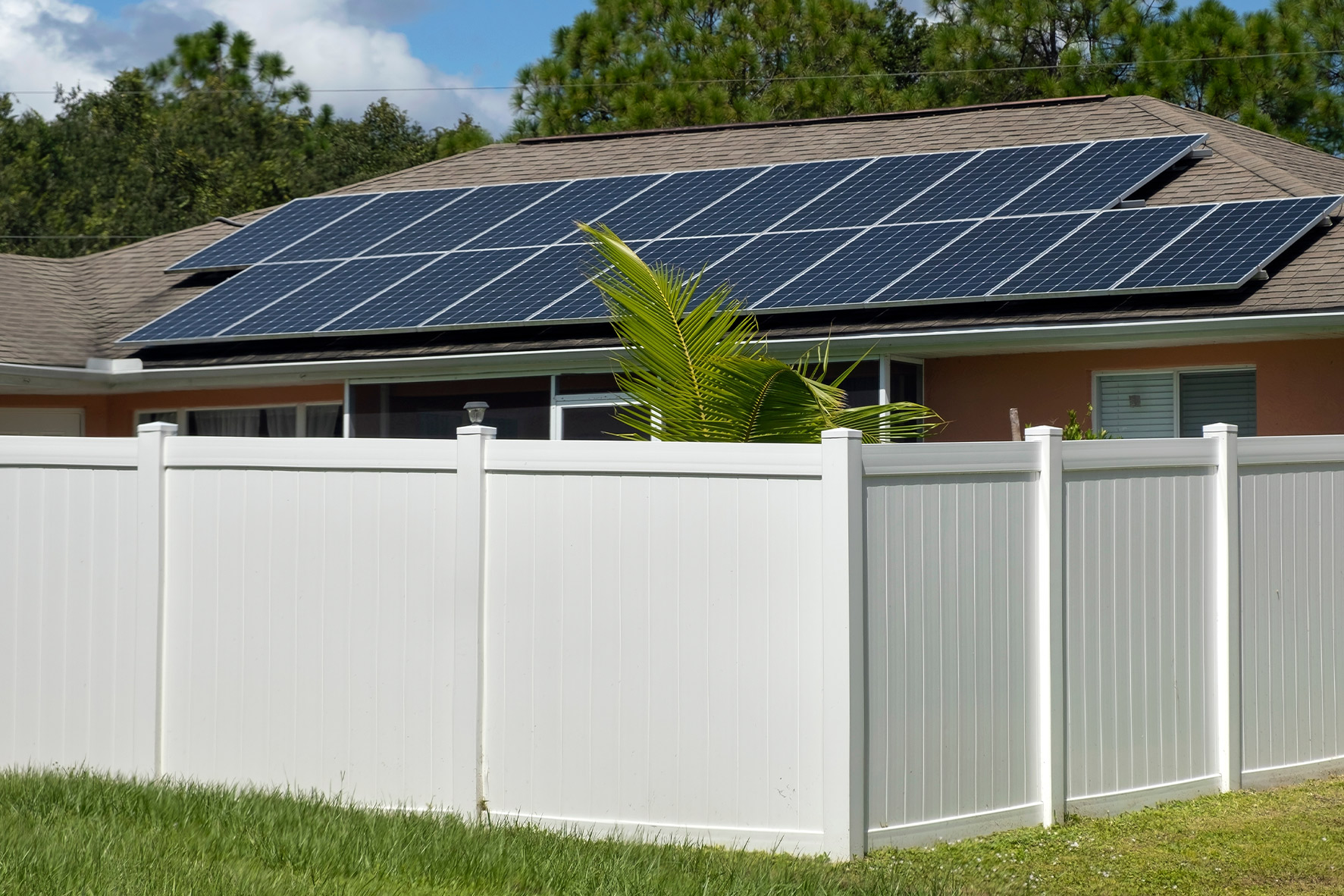
Why Premium Vinyl Fencing Beats Big Box Options Every Time
When it comes to protecting your property, the fence you choose safeguards your family, enhances privacy, and boosts curb appeal. While big box stores make vinyl fencing kits look cheap and easy to install, they often f
ail to deliver long-term durability or aesthetic appeal.
Investing in premium vinyl fencing, installed by experienced contractors like Fence Works LLC, provides a lasting solution that withstands weather, time, and wear.
Why Vinyl Fencing Matters
Vinyl fencing has become a top choice for homeowners and businesses alike because it solves common fencing problems:
-
Low maintenance: no painting or staining required
-
Durability: resistant to weather, insects, and rot
-
Aesthetic appeal: clean lines and customizable designs
While big box kits offer a tempting low price, they often sacrifice quality and long-term reliability.
Understanding the Options
Before comparing choices, it’s important to define your options:
-
Premium Vinyl Fencing: High-grade PVC panels installed by licensed professionals. Features reinforced rails, UV inhibitors, and thick posts for long-lasting strength.
-
Big Box Kits: Pre-packaged vinyl fences sold at home improvement stores. Designed for DIY installation, often with thinner materials and limited reinforcement.
-
Professional Installation: Guarantees proper fence installation such as post depth, alignment, and code compliance, significantly extending the fence’s lifespan.
Key Advantages of Premium Vinyl Fencing
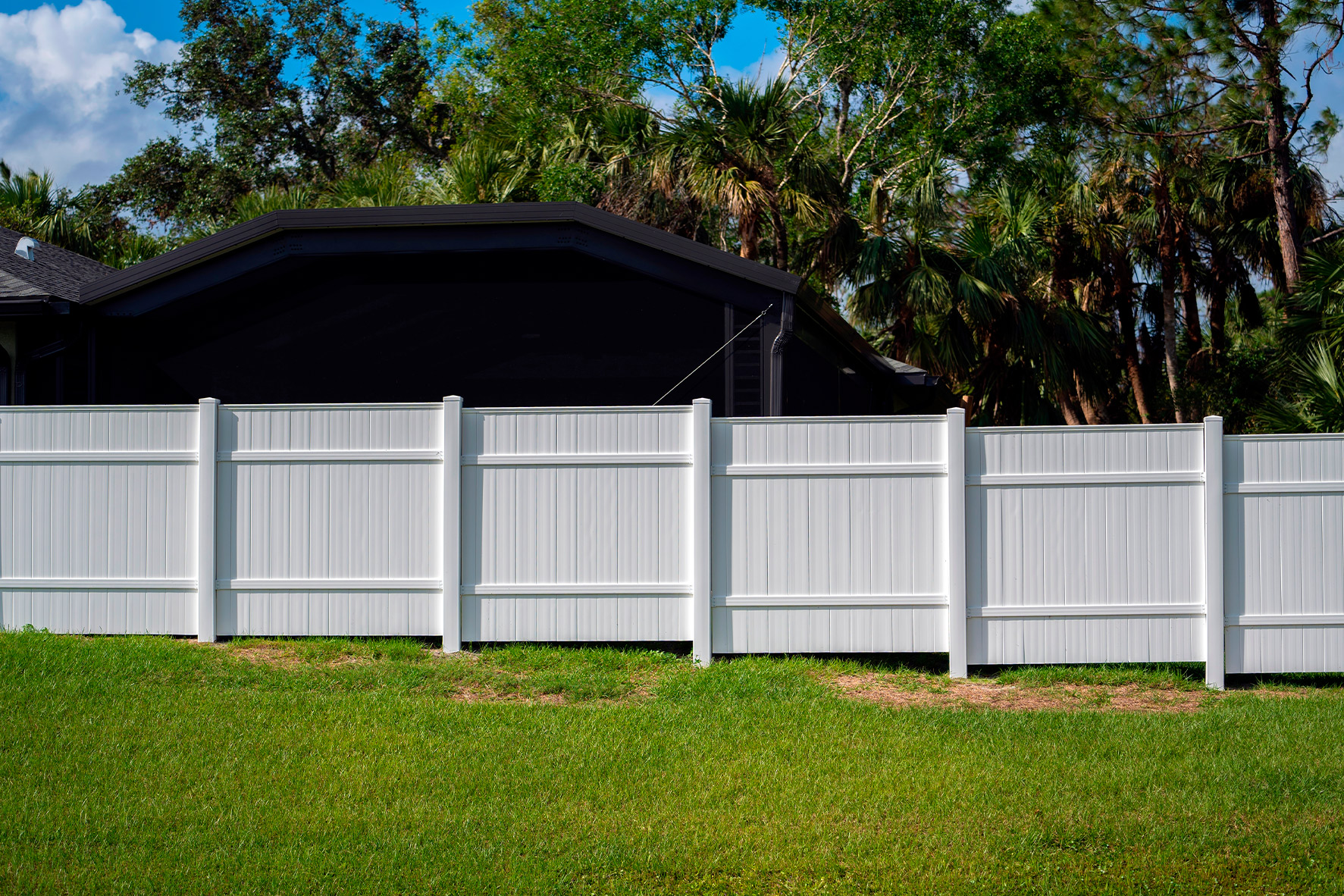
When it comes to choosing a fence, the difference between a high-quality, professionally installed vinyl fence and a DIY big box kit goes beyond just materials. Premium vinyl fencing offers measurable benefits in durability, appearance, and long-term value.
From the quality of the panels to the expertise of the installers, each factor contributes to a fence that performs better and lasts longer. Here are five key advantages of investing in premium vinyl fencing over off-the-shelf kits:
1. Superior Material Quality
Premium vinyl is designed to withstand years of exposure to sun, rain, and wind:
-
Thicker panels and reinforced rails: Prevent sagging and bending over time
-
UV inhibitors: Protects the fence from the sun and keeps it from fading or becoming brittle
-
Long-lasting durability: Ideal for both residential and commercial properties
Big box kits often cut corners to reduce cost, leading to panels that warp, crack, or discolor.
2. Professional Installation Longevity
Even the best vinyl can fail if installed incorrectly. Licensed contractors consider property-specific factors such as:
-
Soil type and drainage
-
Slope and grading
-
Local building codes
Benefits of professional fence installation include:
-
Secure post depth and concrete footing which prevents leaning or collapse
-
Proper leveling and alignment avoids stress on panels
-
Compliance with safety standards reduces liability
DIY big box kits often skip these critical steps, which can lead to costly repairs.
3. Custom Designs Fit Your Property
Every property is different. Big box kits are one-size-fits-all, while professional installers tailor fencing to your needs:
-
Privacy or semi-private panel styles
-
Decorative post caps and rails
-
Integrated gates
-
Commercial security fencing
The Fence Works Gallery showcases projects with unique layouts and styles that a kit could never achieve.
4. Lower Maintenance and Long-Term Savings
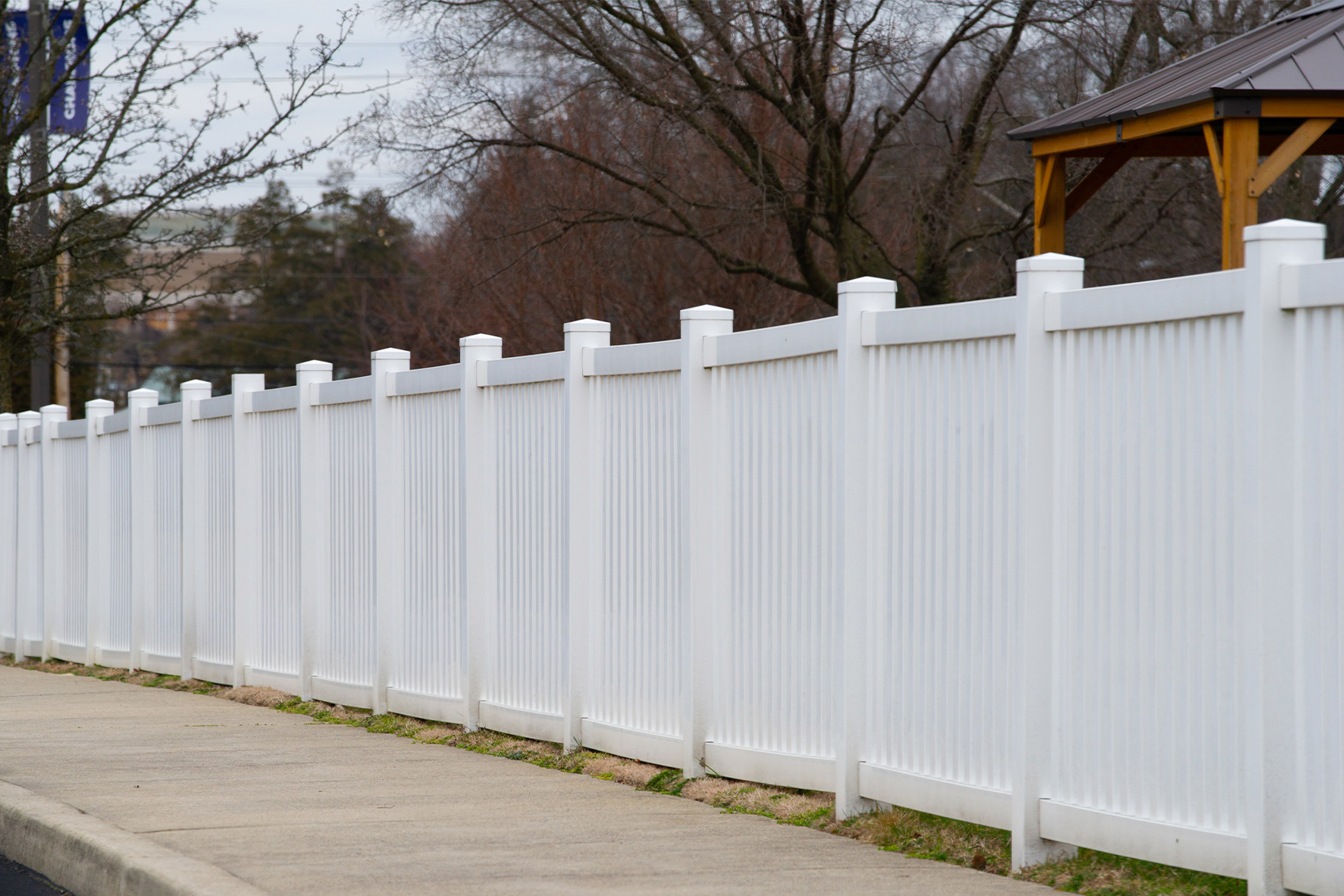
Premium vinyl fences save you money and effort over time:
-
No staining or painting required
-
Resistant to rot, pests, and weather
-
Minimal repairs needed over decades
Cheaper DIY kits may seem economical upfront, but costs for repairs, repainting, or replacement quickly add up.
5. Accountability and Warranty
Working with licensed local contractors gives you peace of mind:
-
Dedicated project managers
-
Skilled fence installation crews
Big box retailers provide materials only, no installation guarantee, leaving homeowners responsible for issues that arise.
Common Objections
Some homeowners consider big box fencing due to:
-
Lower initial cost as kits may cost less upfront
-
DIY appeal attracts homeowners who enjoy installing the fence themselves.
However, these benefits are short-term. Premium vinyl fences:
-
Last longer
-
Look better
-
Require far less maintenance
-
Provide higher resale value
For permanent fencing, professional fence installation outweighs the convenience of a kit.
Premium vinyl fencing installed by experienced contractors like Fence Works LLC offers:
-
Superior material quality: Thicker panels, reinforced rails, UV protection
-
Professional fence installation: Correct post depth, leveling, and safety compliance
-
Custom designs: Tailored to property and aesthetic preferences
-
Low maintenance: No painting or frequent repairs
-
Accountability: Warranty-backed service and support
For homeowners and business owners considering a new fence:
-
Schedule a consultation with licensed professionals
-
Compare material specifications and fence installation practices, not just price
-
Consider long-term maintenance and replacement costs
Investing in premium vinyl is investing in long-term protection, beauty, and peace of mind.
A fence is more than a boundary; it defines your property’s value and security. Cutting corners may seem convenient, but only professionally installed premium vinyl fencing guarantees durability, style, and a long-lasting investment
For property owners seeking a fence that lasts, performs, and impresses, premium vinyl is the clear winner over big box kits. Don’t settle for short-term savings, explore Fence Works today and invest in a professionally installed fence built to stand the test of time.
-
-

New Homeowner’s Guide to Property Fencing
Buying a home comes with a long list of decisions, and fencing is one that often gets pushed down the priority list. That’s a mistake. The right fence defines your boundary and also shapes how you use your space, how secure you feel, and how your property is perceived from the street.
A well-built fence creates privacy, adds structure to your yard, and makes outdoor spaces more usable for everyday life. It also plays a direct role in safety, especially for families with children or pets, while helping establish clear property lines from day one.
There’s also long-term value to consider. A properly installed fence improves curb appeal and can make your home more attractive to future buyers who are looking for privacy and security already in place.
This guide walks you through the decisions that matter so you can choose a fence installation that fits your property, your lifestyle, and your budget.
Understanding Your Fencing Options
Before you settle on a design, it’s worth taking the time to understand how different materials perform. Each option comes with its own balance of durability, maintenance, and appearance.
What to Expect from Common Fence Materials
Choosing the right material is one of the most important decisions you’ll make. Here’s how the most common options compare in real-world use:
-
Wood fencing Wood fencing remains a go-to choice for homeowners who want a natural, versatile look. It works well with almost any property style and can be customized into privacy, picket, or horizontal designs. Different wood fencing styles each have their own appeal. Pressure-treated pine offers a more affordable entry point, while cedar holds up better against insects and moisture but comes at a higher cost.The trade-off is upkeep. Wood needs regular sealing or staining to maintain its strength and appearance over time.
-
Vinyl fencing Vinyl fencing is built for homeowners who want a clean look without ongoing maintenance. It doesn’t fade, warp, or require repainting, making it a strong option for long-term convenience.While the upfront cost is higher, it pays off in reduced maintenance over the years.
-
Metal and aluminum fencing Metal fencing offers strength and a more refined appearance. Aluminum, in particular, provides the look of wrought iron without the risk of rust, making it a practical choice for decorative boundaries and security.These materials are durable, low-maintenance, and well suited for both residential and commercial properties.
-
Chain link fencingWhen function matters more than appearance, chain link fencing delivers. It’s cost-effective, durable, and ideal for large areas, pet enclosures, or utility spaces where visibility is important.
Designing a Fence That Fits Your Property
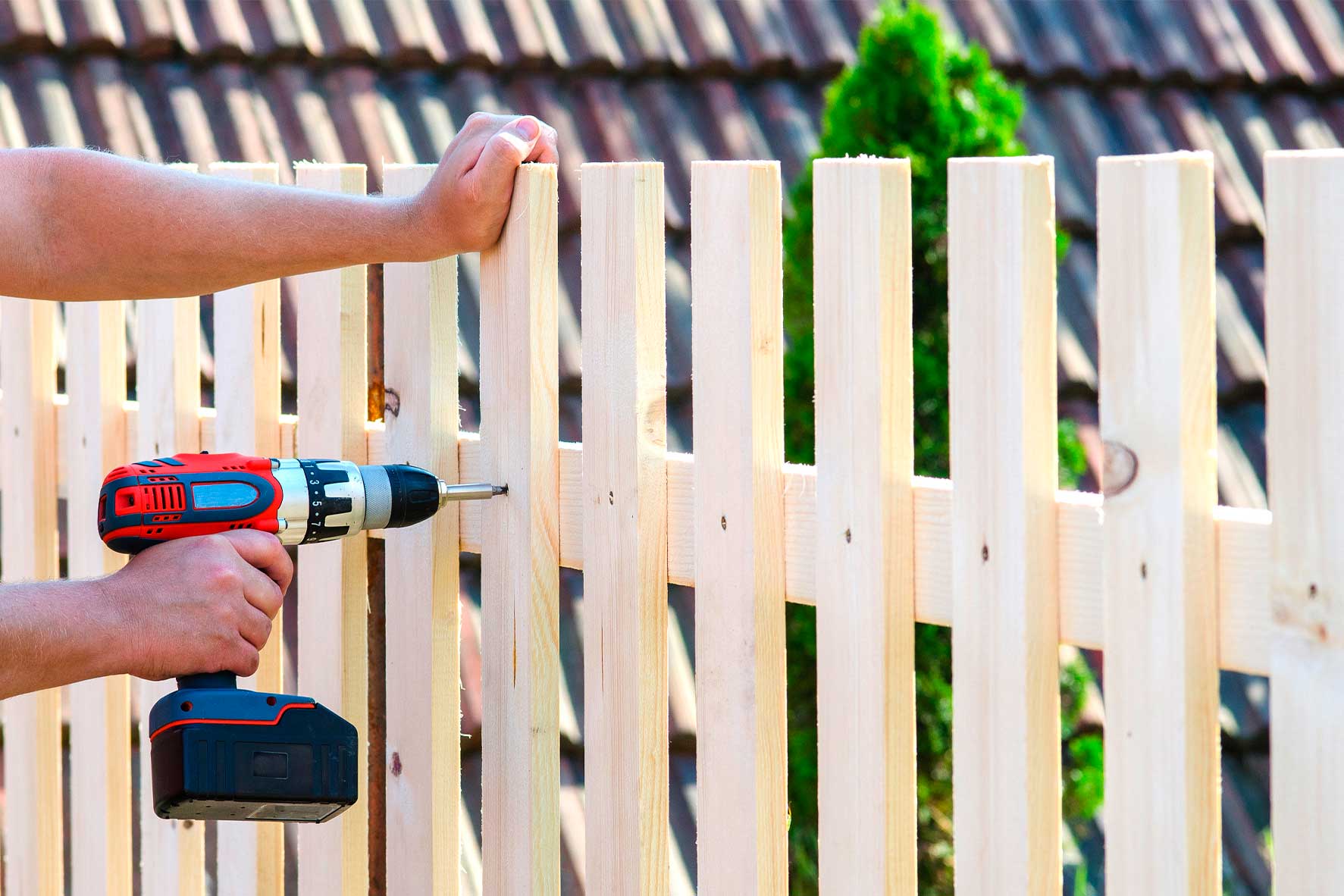
Material is only part of the decision. The way your new fence is designed will determine how well it performs and how it complements your home.
Design Elements to Think Through
Before installation begins, take a step back and consider how your fence installation will function day to day:
-
Fence heightPrivacy fences are typically around 6 feet tall, while decorative options sit closer to 3–4 feet. Local codes and HOA rules often set limits, so this isn’t just a design choice.
-
Style and layoutYour fence style and layout should feel like part of your home, not an afterthought. Traditional homes often suit classic vertical or picket designs, while modern properties lean toward horizontal lines or streamlined metal.
-
Gates and access pointsThink about how you’ll move through the space. Well-placed gates improve convenience and can be designed to match the overall look of the fence.
-
Finishing detailsPost caps, lattice tops, and decorative elements add character without compromising function.
A thoughtfully built fence ties the whole property together while making it more secure and usable.
Balancing Budget, Function, and Long-Term Value
It’s easy to focus on upfront cost, but fencing is a long-term investment. What you save today can turn into added maintenance later.
How to Make a Practical Decision
Start by defining what matters most for your property:
-
Privacy for outdoor living
-
Security for your home and family
-
Containment for pets
-
Visual appeal from the street
Once your priorities are clear, it becomes easier to narrow your options.
Here’s what to keep in mind:
-
Lower-cost materials like wood may require ongoing maintenance
-
Higher upfront options like vinyl reduce long-term upkeep
-
Durable materials often provide better value over time
Working with a contractor who provides clear estimates helps you understand the full picture, not just the installation price.
Planning for Climate and Surroundings
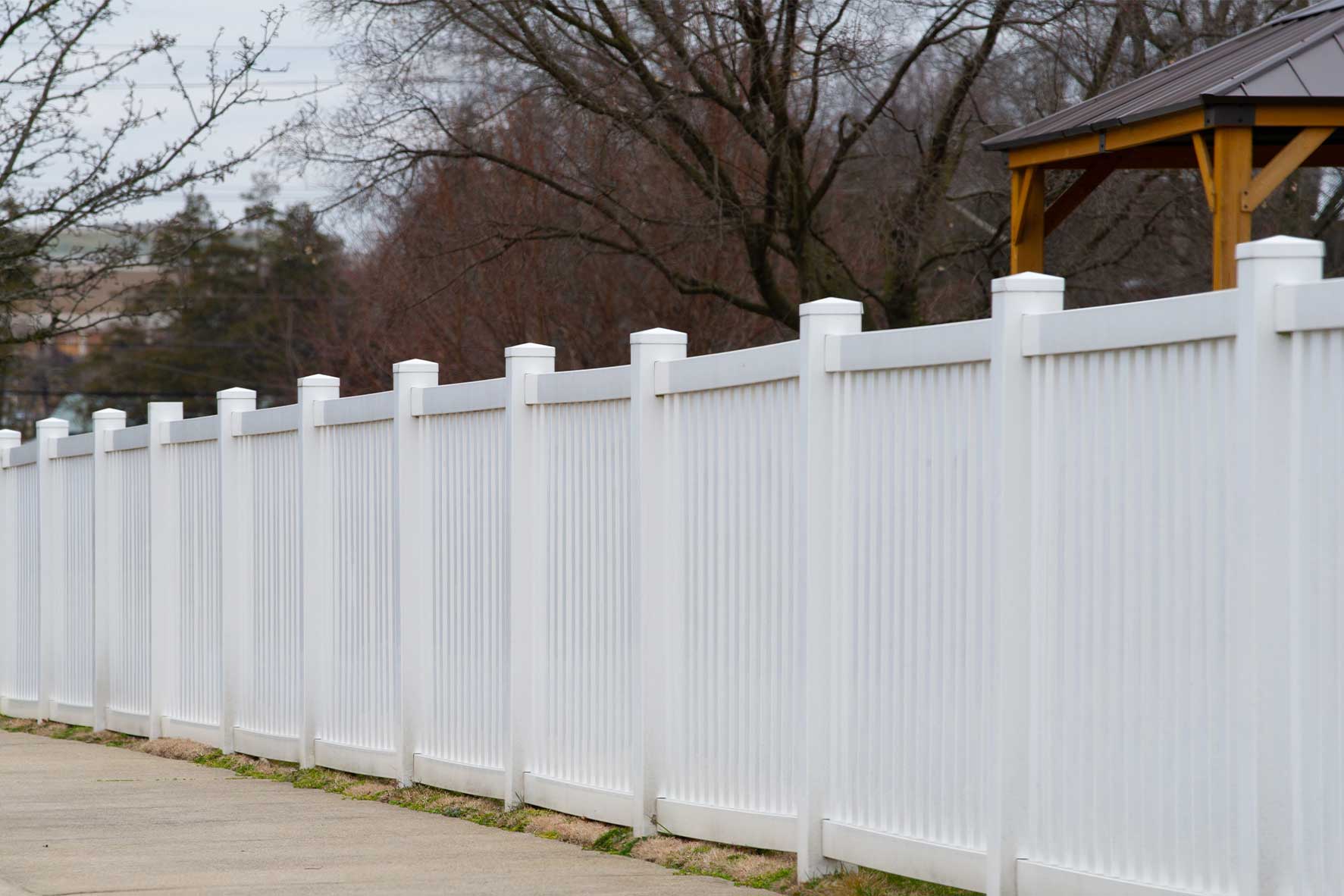
Your environment has a direct impact on how your fence performs. What works in one area may not hold up in another.
In humid climates, materials like treated wood, cedar, or vinyl tend to last longer and resist moisture damage. Areas with temperature swings require materials that can expand and contract without warping or cracking.
It’s also worth looking around your neighborhood. While your fence should reflect your preferences, staying within the general style of nearby properties can help maintain overall property value and avoid unnecessary friction with neighbors.
Navigating Regulations and Property Lines
Before any installation begins, there are a few essential steps that protect both your investment and your relationships with neighbors.
What You Need to Confirm First
Skipping this stage can lead to delays, fines, or even having to remove your fence entirely.
-
Verify propertyA professional survey removes any guesswork and ensures your fence is placed correctly.
-
Check local regulationsMunicipal codes often control height, placement, and materials. HOA guidelines may add another layer of requirements.
-
Understand permit requirementsSome areas require permits before installation begins. This varies by location and needs to be confirmed early.
Talk to Your Neighbors Early
A quick conversation can go a long way. Letting neighbors know your plans helps avoid misunderstandings and can even open the door to shared solutions where it makes sense.
Steps That Set a Fence Project Up for Success
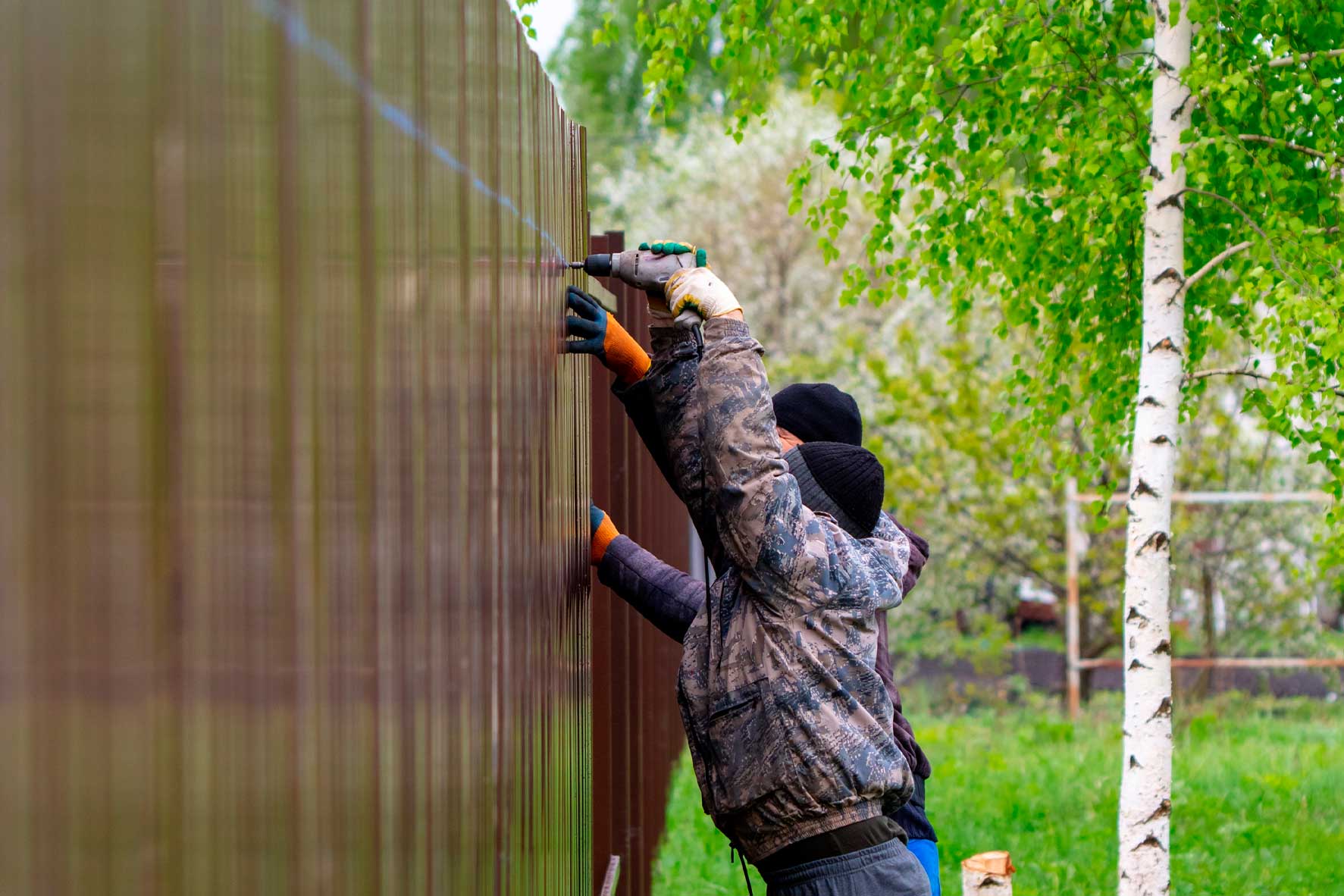
A fence installation should never feel rushed. Proper planning keeps the project on track and avoids costly adjustments later.
What a Well-Run Project Includes
Professional installers follow a structured process that covers every detail:
-
Site evaluation and measurements
-
Identification of slopes, obstacles, and access points
-
Utility line checks before digging
-
Material selection based on environment and usage
-
Clear timelines and documented agreements
This approach keeps the project predictable and ensures the final result matches what was planned from the start.
Professional Installation vs DIY
Installing a new fence might seem straightforward, but the details matter more than most homeowners expect.
What to Consider Before Doing It Yourself
There’s more involved than setting posts and attaching panels:
-
Proper post depth and spacing determine long-term stability
-
Uneven ground requires adjustments to keep lines straight
-
Local soil conditions affect how posts are secured
-
Mistakes can lead to leaning, sagging, or early failure
Professional contractors bring experience that helps avoid these issues. They understand local conditions, follow building codes, and carry insurance that protects you during the project.
They also stand behind their work, which adds peace of mind long after installation is complete.
Maintaining Your Fence Over Time
A fence is built to last, but it still needs attention. Regular maintenance keeps it looking good and functioning the way it should.
What Maintenance Looks Like by Material
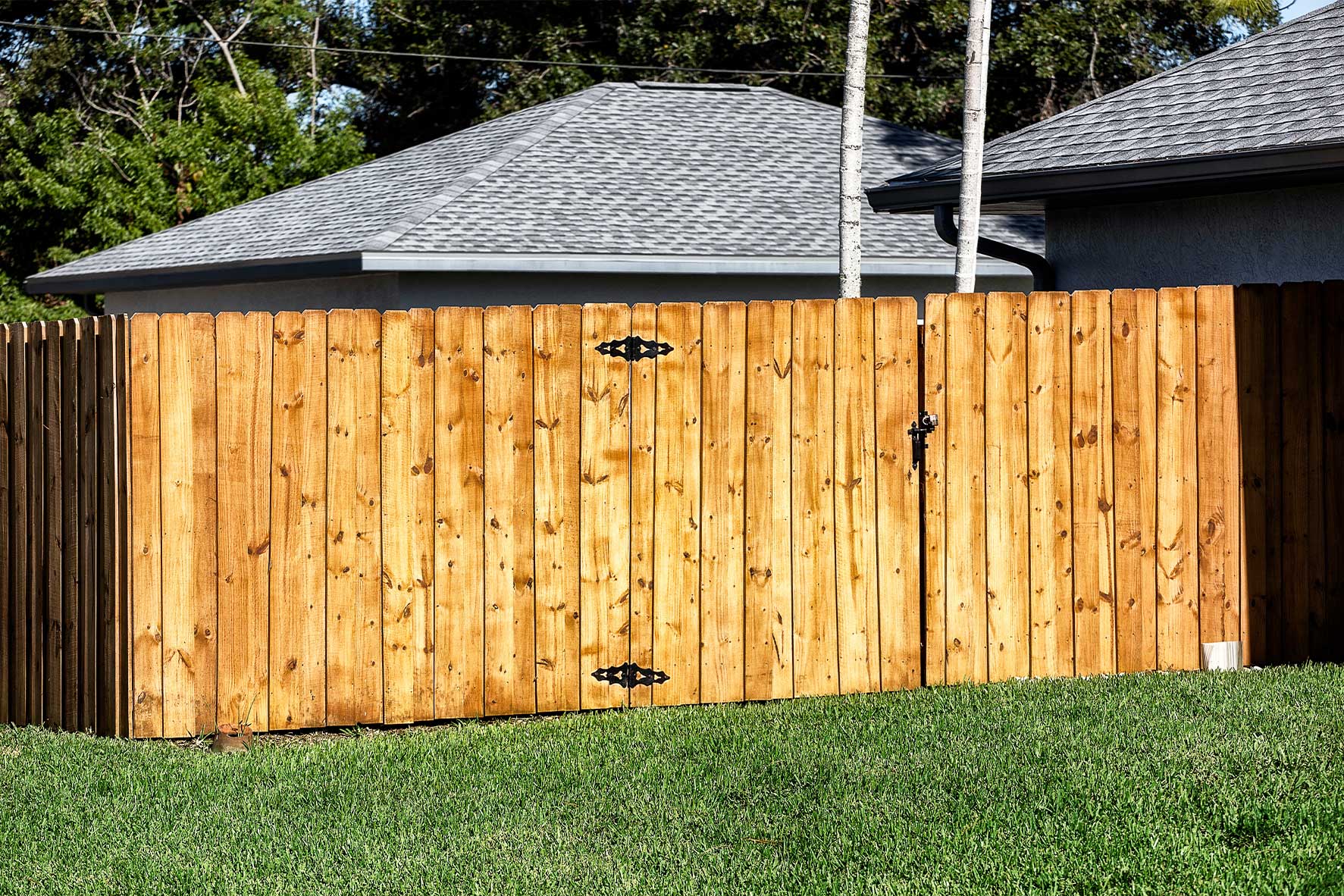
Each material has its own care routine:
-
Wood fencingRequires periodic cleaning, sealing, or staining to protect against moisture and wear. With proper care, it can last decades.
-
Vinyl and aluminum fencingSimple to maintain. Occasional cleaning with soap and water is usually enough to keep them in good condition.
-
Metal fencingNeeds periodic checks for rust or coating wear, especially in coastal or humid environments.
Catching Issues Early
Regular inspections help you spot:
-
Loose posts
-
Warping or cracks
-
Sagging gates
Addressing small problems early prevents larger repairs later.
Seasonal Upkeep
Simple steps like clearing debris around posts and keeping hinges lubricated help your new fence handle changing weather conditions without unnecessary strain.
Building it Right from the Start
A fence is part of how your home functions every day. It defines your space, adds security, and creates a more comfortable environment for you and your family.
Fenceworks Pro approaches every project with that in mind. The focus is on building fences that fit the property, perform over time, and designed to add real value. From material selection to final installation, the goal is simple: deliver a fence that works as well as it looks.
Make the right investment from the start. Contact Fenceworks Pro today to plan a fence that fits your property, holds up over time, and adds lasting value to your home.
-
-
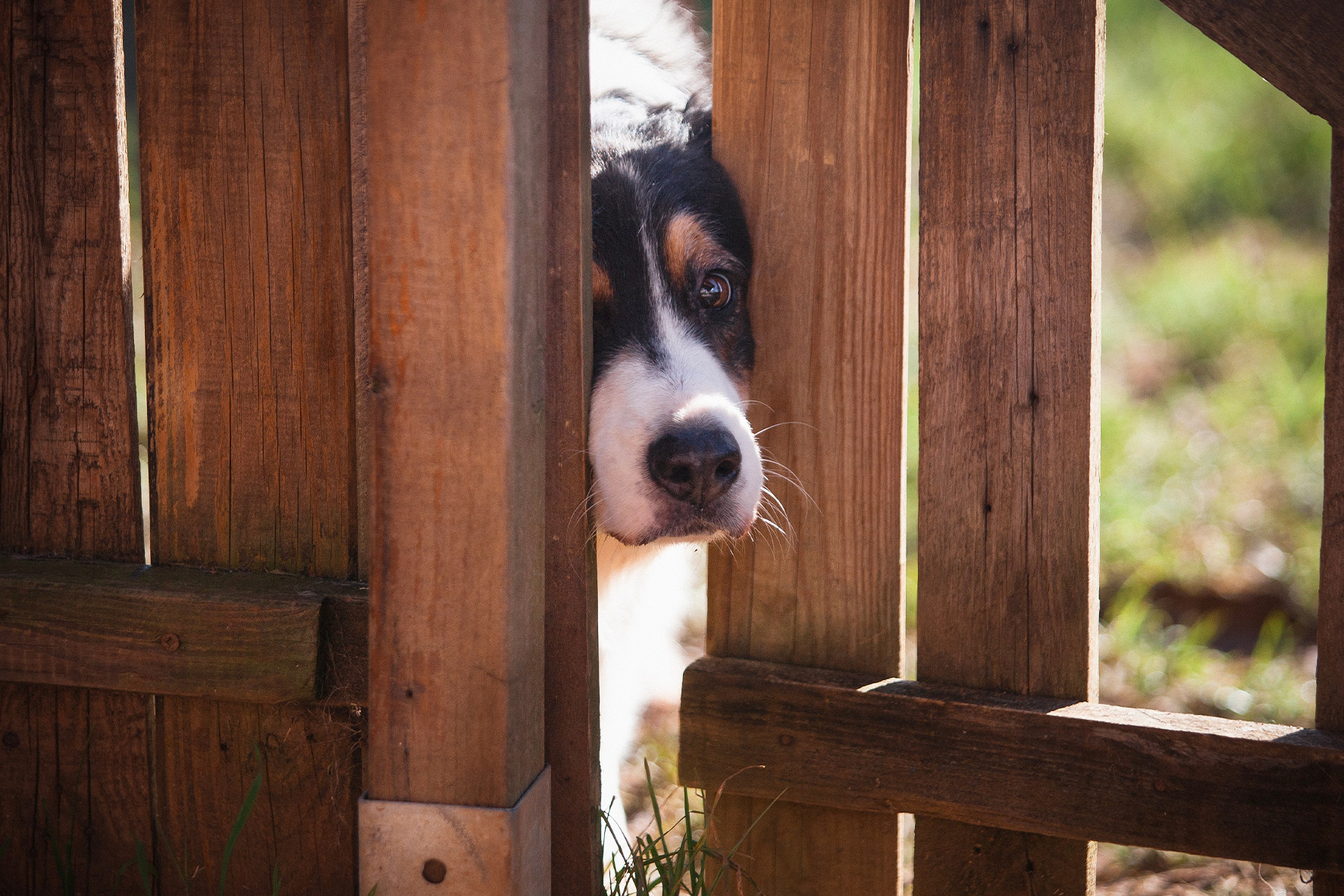
Best Fence Heights for Large Dogs
Large dogs need room to move. They need space to run, explore, and burn off energy. But they also need boundaries that keep them safe. For many homeowners, that’s where fencing becomes important.
A well-built fence gives your dog freedom to enjoy the yard while giving you confidence they won’t wander off or get into trouble. The important question most people ask early in the process is simple: how tall should the fence be?
The pet safe fence height depends on several factors: your dog’s size, athletic ability, the layout of your yard, and the type of fence being installed. Getting that decision right from the start makes a big difference in safety, durability, and long-term peace of mind.
This article walks through recommended fence heights for large dogs, the factors that influence those recommendations, and practical design choices that help prevent jumping or escaping.
The Benefits of a Secure Fence for Large Dogs
A well-built fence does more than outline your property. For dog owners, it creates a safer environment for pets while making everyday life easier for the household. When the fence is properly designed and installed, it provides several important benefits.
1. Safety From Outside Dangers
A secure fence helps protect dogs from hazards beyond the yard, such as traffic, wildlife, or unfamiliar animals. By creating a clear boundary, fencing keeps dogs safely contained where you can monitor them.
2. Freedom to Exercise
Large dogs need space to move. A fenced yard allows them to run, play, and explore without being on a leash every time they go outside. Regular activity supports both physical health and mental stimulation.
3. Peace of Mind for Homeowners
Knowing your dog can’t wander off brings real peace of mind. A properly built fence lets you open the back door and let your dog outside without constant worry about escapes or safety.
4. Fewer Issues with Neighbors
Dogs that roam freely can accidentally enter nearby yards or interact with other pets. A secure fence prevents those situations and helps maintain good relationships with neighbors.
5. Clear Boundaries for Training
Dogs learn boundaries quickly when the fence is consistent and reliable. Over time, most dogs begin to understand the limits of their space, which reduces attempts to escape or explore beyond the yard.
6. Long-Term Protection for Your Property
When installed correctly, fencing also protects landscaping, gardens, and outdoor areas by keeping dogs contained within a defined space. A sturdy fence ensures that both your yard and your pet stay where they belong.
Why Pet Safe Fence Height Matters More for Large Dogs
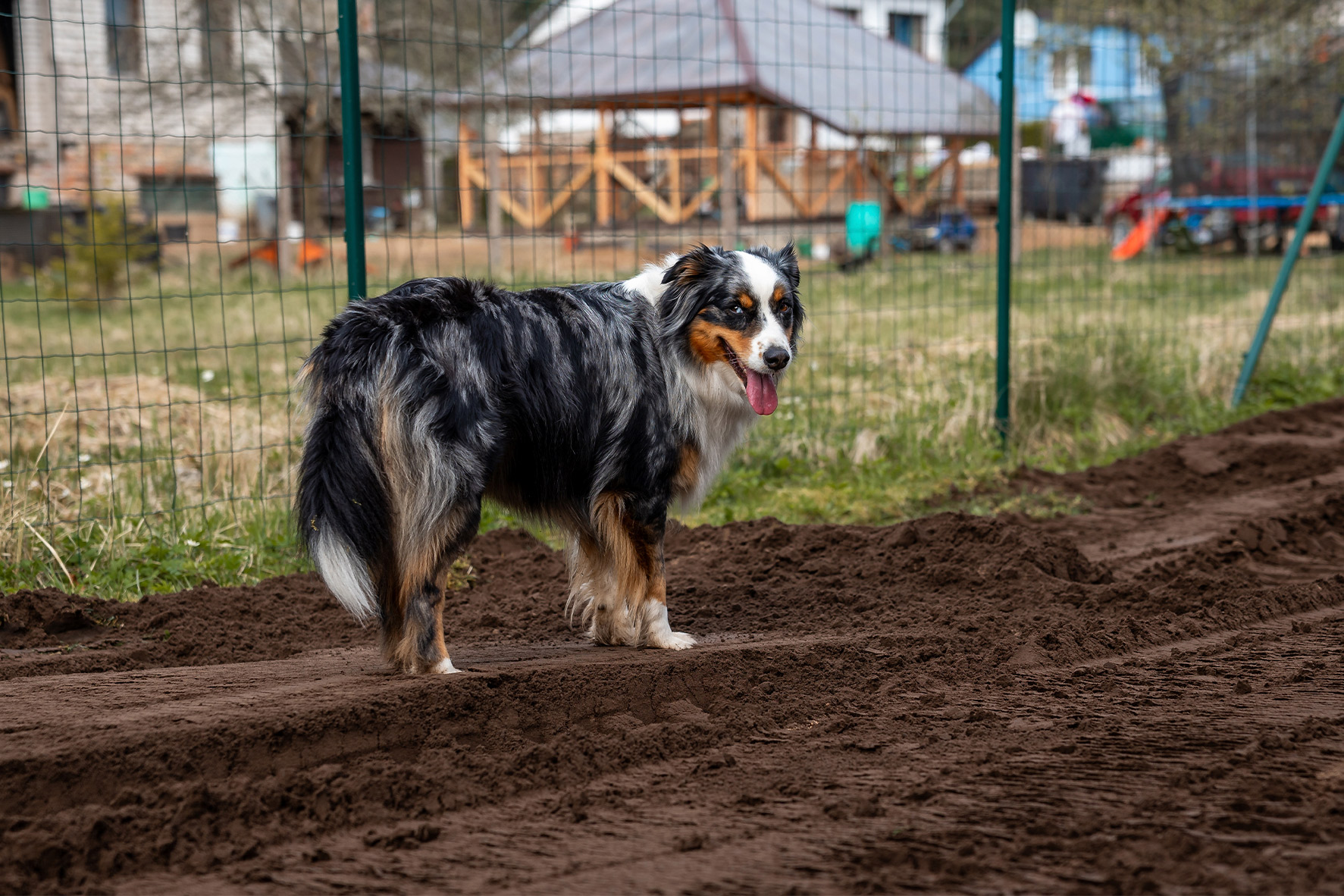
Large breeds are strong and often surprisingly athletic. Even dogs that appear calm or relaxed can jump higher than many homeowners expect.
A fence that’s too short doesn’t always fail immediately. In many cases, it works for months or even years until the day a dog gets excited by a passing animal, a delivery truck, or another dog across the street. That moment is often when escapes happen.
Choosing the correct fence height reduces those risks by creating a physical boundary that dogs can’t easily clear. Just as important, it removes the temptation to try. When a fence feels solid and secure, most dogs simply stop testing it.
Typical Pet Safe Fence Height Recommendations for Large Dogs
Most residential fences for large dogs fall between five and six feet tall. This range works well for the majority of breeds because it exceeds the natural jumping height of many dogs while still fitting comfortably within neighborhood guidelines.
Here’s how those recommendations generally break down.
Dog Type
Example Breeds
Recommended Fence Height
Why It Works
Large Family Dogs
Labrador Retrievers, Boxers
5–6 feet
High enough to discourage casual jumping
Athletic Working Breeds
German Shepherds, Dobermans
6 feet
Prevents most determined jump attempts
High-Energy Escape Artists
Huskies, Belgian Malinois
6–7 feet
Extra height helps reduce successful escapes
Giant Breeds
Great Danes, Mastiffs
6 feet
Strength matters more than jumping ability
While these ranges are helpful, they’re not strict rules. Every dog has a different personality and energy level. Some never test a fence, while others look for weaknesses from the first day they enter the yard.
Factors That Determine the Pet Safe Fence Height
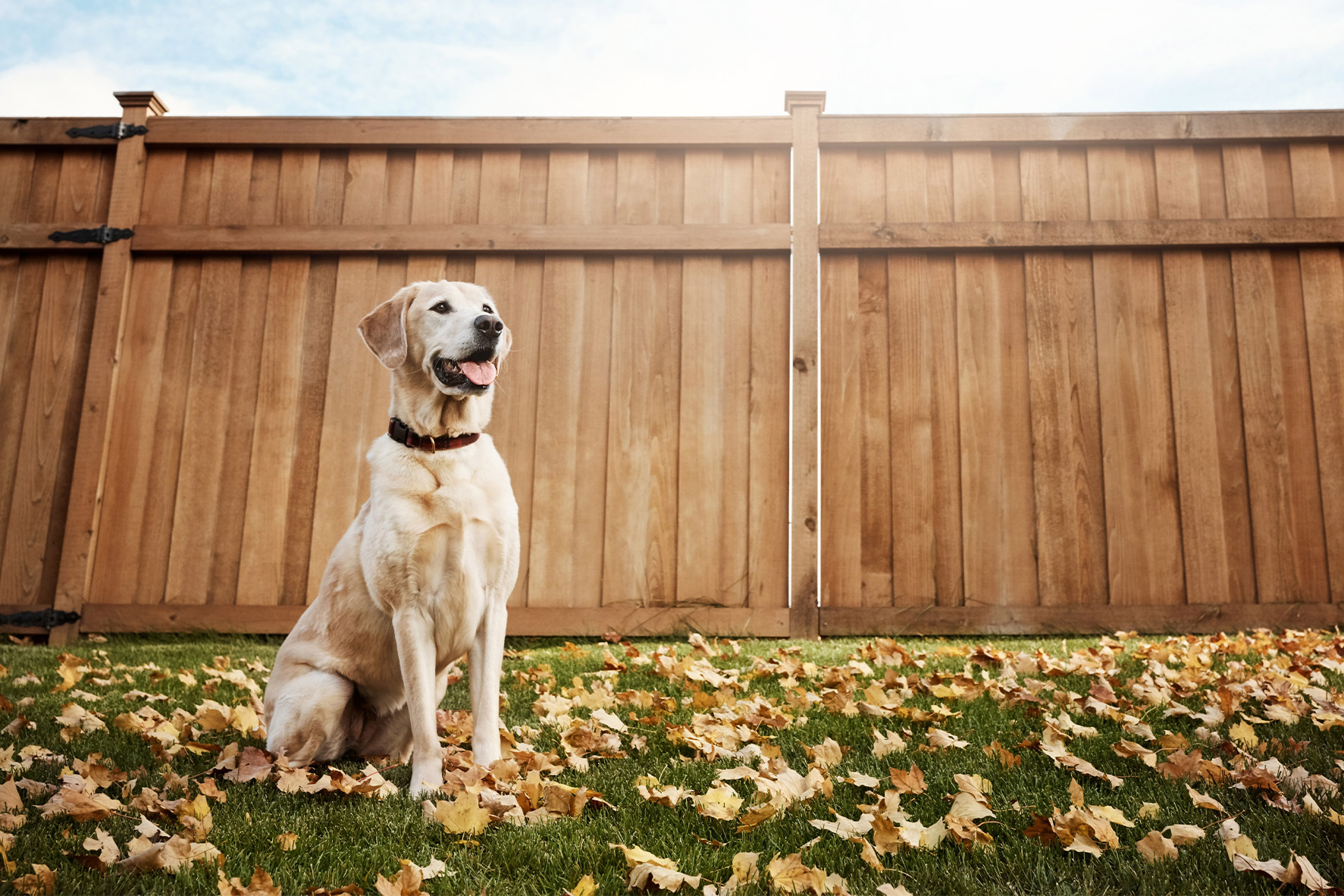
1. Breed and Jumping Ability Make a Difference
A dog’s athletic ability often matters more than its overall size. For example, a 70-pound herding breed may be able to jump higher than a much heavier giant breed. Dogs that were historically bred for agility, herding, or protection tend to be more capable jumpers.
Breeds commonly known for testing fences include Huskies, German Shepherds, Belgian Malinois, Border Collies, and Australian Shepherds. These dogs are intelligent, energetic, and naturally curious. If something interesting is happening outside the yard, they may try to investigate.
In those situations, a six-foot fence is usually the safest starting point, and in some yards, homeowners choose to go slightly taller.
2. Your Yard Layout Also Influences Fence Height
The surrounding environment can affect how likely a dog is to challenge a fence. Dogs are more motivated to jump when they frequently see activity just outside the boundary. Busy sidewalks, nearby dogs, wildlife, or street traffic can all trigger curiosity.
If your yard faces a high-activity area, a taller fence or a privacy design can help reduce those distractions. When dogs can’t see every movement outside the yard, they tend to stay calmer and more focused on their own space.
This is one reason many homeowners choose privacy fencing when they have large or energetic dogs.
3. Fence Design Plays a Bigger Role Than Many Expect
Height is important, but the overall design of the fence matters too. Certain styles unintentionally make climbing easier. Horizontal rails, wide spacing, or decorative crossbars can act like steps for an athletic dog.
Solid designs tend to discourage climbing and jumping. When the fence presents a smooth, uninterrupted surface, dogs are less likely to attempt scaling it.
The strength of the structure is just as important. Large dogs often lean against fences, run along the perimeter, or push against sections while playing. Panels and posts need to be strong enough to handle that pressure without loosening or shifting over time.
Materials That Work Well for Large Dog Fencing
Homeowners often choose fencing materials based on durability, appearance, and maintenance needs. When dogs are part of the equation, strength and containment become even more important.
- Wood privacy fencing is one of the most common choices. The solid panels block outside distractions and create a sturdy boundary that discourages jumping. When installed properly, wood fences are both durable and visually clean.
- Vinyl fencing offers a similar level of containment with minimal maintenance. The panels are smooth and difficult to climb, and the material holds up well against weather and everyday wear.
- Metal fencing, such as aluminum, can also work in certain yards. It provides a strong structure while maintaining visibility. However, it’s important to ensure picket spacing is narrow enough to prevent squeezing through.
No matter the material, the most important factor is how the fence is built. Check some of our fences here.
Why Proper Fence Installation Matters
Even the right fence height won’t perform well if the fence isn’t built correctly. Large dogs can lean, run along the perimeter, or push against panels, so the structure needs to be solid from the ground up. Here is what Fence Works focuses on:
- Proper Post Depth: Fence posts need to be set deep enough to support the full structure. Posts that are properly anchored in concrete help prevent leaning, shifting, or loose sections over time.
- Concrete Curing Time: Allowing concrete to fully cure before building the fence panels creates a stronger foundation. It’s a slower process, but it helps ensure the fence stays stable and long-lasting.
- Measured Layout: Careful measurements and consistent spacing keep panels aligned and secure. A properly laid-out fence reduces weak points that determined dogs might try to exploit.
- Secure Gates: Gates should match the fence in height and strength. A well-installed gate with a reliable latch helps prevent gaps or misalignment that could become an escape point.
When these details are handled the right way, the result is a fence that stays sturdy, reliable, and ready to contain even large, energetic dogs.
Practical Ways to Prevent Dogs from Jumping the Fence

Even with the right fence height, some dogs will still test the boundary. High-energy breeds, curious dogs, or dogs that see constant activity outside the yard may eventually try to jump. The good news is that a few simple design choices can make jumping much less likely.
1. Keep the Fence Line Clear
Dogs often use nearby objects to help them jump. A grill, storage box, stacked firewood, or even outdoor furniture can become a launching point if it sits too close to the fence.
Keeping a clear space along the fence line removes those easy stepping points. When dogs can’t gain extra height from nearby objects, most won’t attempt the jump in the first place.
2. Reduce Outside Distractions
Dogs are much more likely to jump when something interesting is happening outside the yard. A passing dog, a squirrel running along the fence, or frequent pedestrian traffic can all trigger curiosity. In yards where this happens often, privacy fencing or partial visual barriers can make a big difference.
When dogs aren’t constantly watching movement outside the fence, they tend to settle down and stay focused on their own space.
3. Consider Fence Extensions if Needed
If a dog proves to be a determined jumper, homeowners sometimes add height without replacing the entire fence. Lattice toppers or angled extensions can increase the overall height while maintaining the look of the original fence.
These additions change the angle at the top of the fence, which makes it much harder for dogs to clear.
4. Make Sure the Fence is Solid and Well-Built
Dogs don’t always jump straight over a fence. Sometimes they test weak spots first. Loose panels, shallow posts, or sections that flex under pressure can encourage dogs to keep pushing until they find a way through. A properly installed fence prevents that from happening.
Posts set at the right depth and allowed to cure fully create a structure that stays strong even when large dogs run along the perimeter or lean against it. When a fence feels solid and secure, most dogs quickly learn that the boundary isn’t worth testing.
Is a 6-Foot Fence Tall Enough for Large Dogs?
For many homeowners, the six-foot fence has become the standard for containing large dogs. In most situations, that height provides a strong balance between safety, neighborhood guidelines, and overall yard appearance.
For breeds like Labrador Retrievers, Golden Retrievers, Boxers, and many mixed large breeds, a 6-foot fence is typically more than enough. It creates a boundary that discourages casual jumping and gives dogs plenty of room to enjoy the yard without constantly testing the perimeter.
However, there are a few situations where homeowners may want to consider going taller.
Dogs with strong jumping ability, such as Huskies, German Shepherds, and Belgian Malinois, can sometimes clear shorter fences if they’re motivated enough. Highly energetic dogs or dogs that regularly react to outside distractions may also be more likely to test a fence height.
In those cases, homeowners sometimes choose a 6½- or 7-foot fence, or they add a small extension to increase the height at the top. Even a modest increase can make a fence much harder for a dog to clear.
Yard layout also matters. If your yard backs up to a busy sidewalk, park, or another dog-heavy area, extra height or a privacy-style fence can help reduce the temptation to jump.
That said, height alone isn’t the only factor that keeps a yard secure. A fence also needs to be properly built. Posts must be set deep enough, panels secured correctly, and gates installed so there are no gaps or weak points.
When the structure is solid and the height is appropriate for the dog, most homeowners find that their dogs quickly learn the boundary and stop testing it.
Frequently Asked Questions About Fences for Large Dogs
1. What is the best fence height for a large dog?
For most large dog breeds, a 6-foot fence is the safest and most common choice. This height discourages jumping and provides reliable containment for breeds like Labradors, German Shepherds, and Boxers. Highly athletic dogs may require fencing closer to 6½ to 7 feet to prevent escape attempts.
2. Is a 5-foot fence tall enough for a large dog?
A 5-foot fence can work for some large dogs, particularly calmer breeds that are not strong jumpers. However, many active or athletic dogs can clear this height if they are motivated. Homeowners who want added security often choose a 6-foot fence instead.
3. What type of fence is best for large dogs?
The best fences for large dogs are sturdy, properly installed, and difficult to climb. Wood privacy fences and vinyl panel fences are popular because they provide solid barriers that reduce outside distractions. Metal fencing can also work when picket spacing is narrow and the structure is reinforced.
4. Can large dogs jump a 6-foot fence?
Most large dogs cannot easily jump a 6-foot fence, especially when the fence has a smooth surface without footholds. However, highly athletic breeds or dogs with strong motivation may still attempt it. In those cases, homeowners sometimes add fence extensions or visual barriers.
5. What fence height is recommended for German Shepherds or Huskies?
German Shepherds, Huskies, and Belgian Malinois typically require at least a 6-foot fence. Some homeowners choose taller fencing or extensions to reduce the chance of successful jumps.
6. Should fence posts be deeper for large dogs?
Yes. Large dogs can put significant pressure on a fence by leaning, running along the perimeter, or pushing against panels. Proper post depth and secure concrete footing help ensure the fence stays stable and durable over time.
7. Can dogs dig under fences?
Some dogs will try to dig if they’re bored or determined to escape. Preventing this usually involves proper fence installation, tight ground clearance, and reinforced areas near gates or corners where digging is more likely.
Get a Fence That’s Built Right for Your Dog with Fence Works
A large dog needs a fence that’s solid, properly sized, and built to hold up over time. Getting the height, layout, and materials right from the start prevents problems later and gives your dog a yard they can safely enjoy.
At Fence Works, our crew takes a careful approach to every project. Posts are set at the proper depth, concrete is given time to cure, and the fence is built in stages so the structure stays sturdy and dependable. It’s not rushed, and it’s done the right way the first time.
If you’re planning a fence for your yard, you can start by using our online fence Design and Estimate tool to map your property and get a quick ballpark estimate. It’s a straightforward way to begin planning a fence that keeps your dog secure and your yard looking great.
-

Creating a Child Safety Backyard Fence
Children deserve a backyard that’s both fun and secure. A space with swings, sandboxes, and room to explore safely, giving parents peace of mind.
Parents want their little ones to explore freely while staying protected from hazards. With the right planning, fencing, and supervision strategies, your backyard can become a true haven for active, healthy outdoor play. Fence Works, a trusted family-owned fencing company in Graham, NC, specializes in custom solutions that keep children safe while improving your property’s safety and appeal.
Why Backyard Safety Matters for Young Children
Toddlers and young children are naturally curious, which makes backyard safety a top priority. Even familiar spaces can contain hidden risks, and thoughtful design can prevent accidents before they happen.
Recognizing Common Hazards
Backyards often include pools, garden tools, sheds, uneven terrain, and plants that may be toxic. Even minor obstacles, like low-hanging branches or hoses, can cause trips or falls. By identifying these hazards, you can plan a space where children can explore safely.
Benefits of a Secure Backyard
A well-protected backyard offers more than safety:
-
Peace of mind for parents, knowing children are safe within a secure space.
-
Healthy physical activity, which supports growth and coordination.
-
Independent exploration, fostering creativity and confidence.
-
Protection from outside threats, including animals or intruders.
How Proper Layout and Fencing Prevent Accidents
Smart layout design keeps play areas away from high-risk zones like pools, driveways, and equipment storage. Custom fences from Fence Works provide a strong barrier against unauthorized access, reducing the risk of accidents while maintaining aesthetic appeal.
Choosing the Right Fence: Secure and Child-Friendly Options

A backyard fence is the cornerstone of child safety. It defines boundaries, prevents accidental wandering, and protects against hazards. Choosing the right materials, features, and design creates a fence that is both durable and family friendly.
Important Features for Keeping Kids Safe
Effective fences for toddlers and young children should include:
-
Adequate height to prevent climbing.
-
Durable, weather-resistant materials.
-
Secure gates with self-closing and self-latching mechanisms.
Materials That Work for Families
Different materials offer unique benefits for child-safe fencing:
-
Wood: Offers natural beauty and customizability, with proper sealing to prevent splinters.
-
Vinyl: Low-maintenance, easy to clean, and long-lasting.
-
Metal/Ornamental Iron: Durable, ideal for high-security areas.
-
Chain-link: Affordable for larger areas, with privacy slats for safety.
Professional advice helps match the material to your property, lifestyle, and children’s needs.
Gates: The First Line of Defense
Self-closing, self-latching gates prevent children from wandering into unsafe areas. These gates are particularly important near pools or driveways, providing an added layer of protection.
Preventing Climbing Hazards
Even strong fences can fail if children can climb them. Vertical pickets, smooth surfaces, and no footholds reduce climbing opportunities. Fence Works incorporates these design strategies in every installation.
Working with Local Experts
Hiring local, experienced contractors guarantees your fence is installed according to regional codes, climate conditions, and safety standards. Professionals provide custom solutions, optimizing both security and visual appeal.
Smart Layout Planning and Hazard Prevention
A safe backyard is about designing a space where children can play safely, and parents can supervise easily.
Strategic Placement of Play Areas

Locate play zones away from pools, driveways, garden sheds, or tools. Separating active areas from hazards reduces accident risk and keeps children in safe zones.
Clear Sightlines for Supervision
Parents should be able to see all play areas from the home or patio. A proper layout lets them respond quickly in emergencies while allowing children to play independently under supervision.
Soft Surfaces for Safer Play
Playground surfaces make a difference in injury prevention. Options include:
-
Grass: Natural cushioning.
-
Mulch or engineered wood fibers: Soft, impact-absorbing.
-
Rubber mats or tiles: Ideal for high-traffic zones.
These surfaces reduce the impact of falls, encouraging active play safely.
Eliminating Hidden Hazards
Backyards can hide dangers like sharp edges, tools, or toxic plants. Safe storage, secure fencing around these hazards, and thoughtful landscaping keep children protected while allowing them to explore freely.
Maintenance, Upgrades, and Ongoing Safety Tips
Safety doesn’t stop after installation. Regular upkeep and thoughtful updates help keep your backyard secure as children grow and explore.
Regular Fence Inspections
Check for loose boards, rails, or hardware, and confirm that gates are working properly. Immediate repairs prevent accidents and extend the life of your fence.
Prevent Climbing via Landscape and Furniture
Avoid placing furniture, toys, or planters near fence lines. Vertical fences with smooth surfaces prevent climbing opportunities and keep children within safe boundaries.
Seasonal Checks and Cleaning
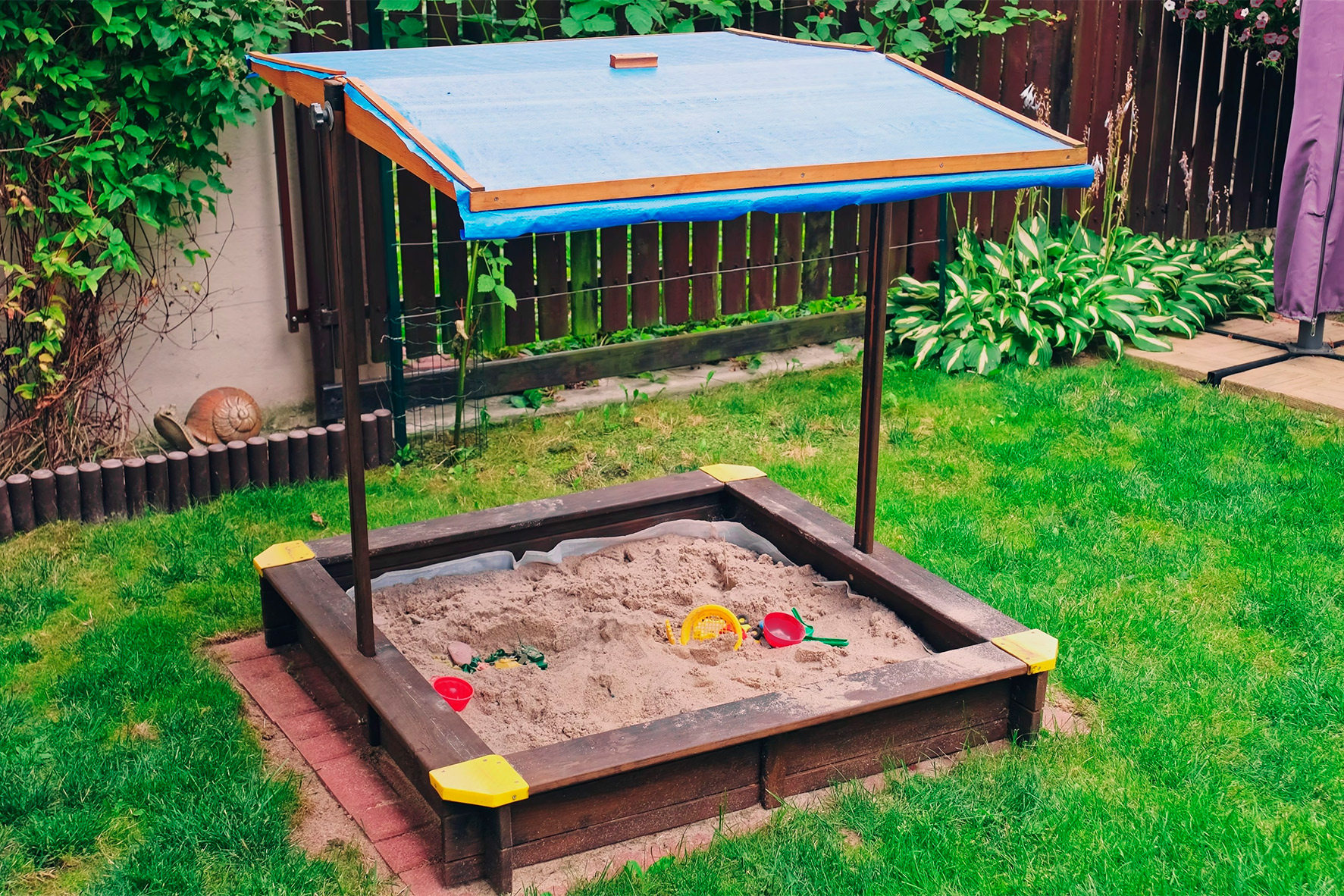
Weather and seasonal changes can impact fence durability. Clean vinyl fences, reseal wood, and treat metal fences to prevent rust. These measures maintain both safety and appearance.
Updating Safety Features as Children Grow
Adjust locks, gates, and barriers to meet changing developmental needs. Older children may require taller fences or additional safety measures, ensuring ongoing protection.
Encouraging Safe Play
Establish rules and boundaries for play areas. Supervision and consistent routines help children understand safe practices, reducing risks naturally.
Professional Upgrades
Sometimes backyard expansions or new features require professional consultation. Local experts can help new equipment, fences, or landscaping additions stay safe for children.
Make Your Backyard Safer
Designing a backyard that balances safety, fun, and style requires careful planning, child-friendly fencing, and ongoing attention. Fence Works combines family-owned expertise, licensed installation, and custom solutions to deliver safe, attractive, and long-lasting fences for families in Graham, NC.
Whether installing pool safety fences, upgrading play zones, or creating a secure outdoor haven, professional guidance turns your backyard into a space where children can enjoy the outdoors, play, and explore freely, while giving you peace of mind that they are protected.
Don’t wait. Protect your little ones while giving them the safe, fun backyard they deserve. Reach out to Fence Works now for expert advice and custom fence installations to get started on your family-friendly fence project.
-
-
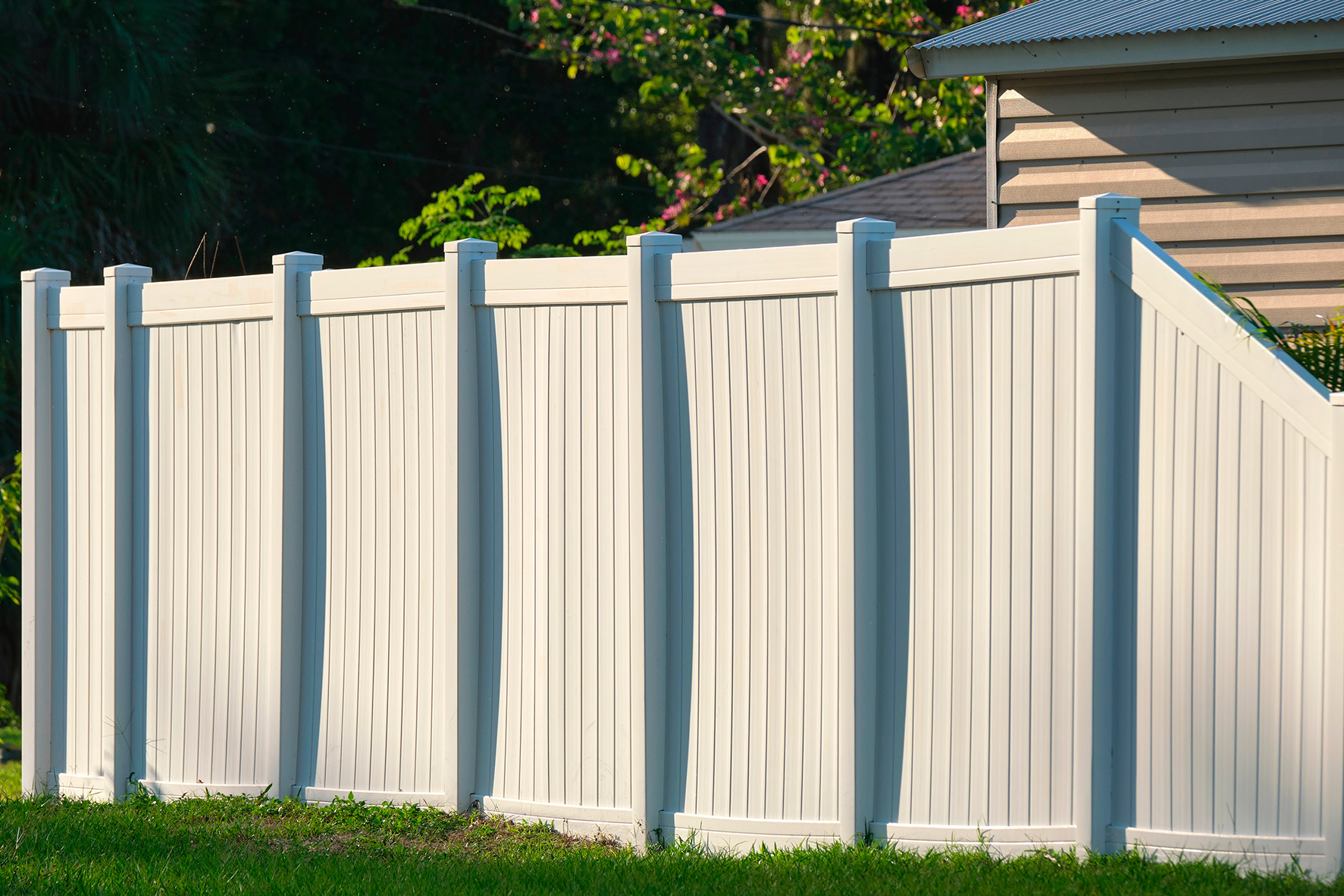
Why Graham Homeowners Trust Fence Works
For homeowners in Graham, a fence isn’t just a line around a property. It’s a long-term investment in privacy, safety, and property value. The right fence creates secure outdoor spaces for children and pets, defines property lines, enhances curb appeal, and adds real functional value to a home. That’s why choosing the right fence company in Graham directly affects how well your investment performs over time.
Since 2012, Fence Works has built a reputation as a trusted local fencing company serving both residential and commercial properties throughout the Graham area. As a family-owned business, the company combines strong community values with professional craftsmanship, delivering custom fencing solutions designed to last. With more than 15 years of combined industry experience, the Fence Works team brings proven skill, reliability, and consistency to every project.
That local trust is reflected in customer feedback. One Graham homeowner shared: “These guys built a great fence in great time. The price was great and the work was even better”. That kind of reputation isn’t built through marketing, it’s built through consistent results, dependable service, and quality work.
Choosing a local fence company matters. Local contractors understand soil conditions, weather patterns, permitting processes, and municipal regulations that directly affect fence durability and compliance. Unlike national chains, local companies depend on community relationships, accountability, and word-of-mouth trust, making service quality and customer satisfaction a priority, not an afterthought.
As Graham continues to grow, homeowners are increasingly looking for fence companies that deliver more than basic installation. They want craftsmanship, communication, reliability, and long-term value. Fence Works delivers on all of these, earning long-standing trust across the community.
Why Choosing the Right Fence Company Protects Your Investment
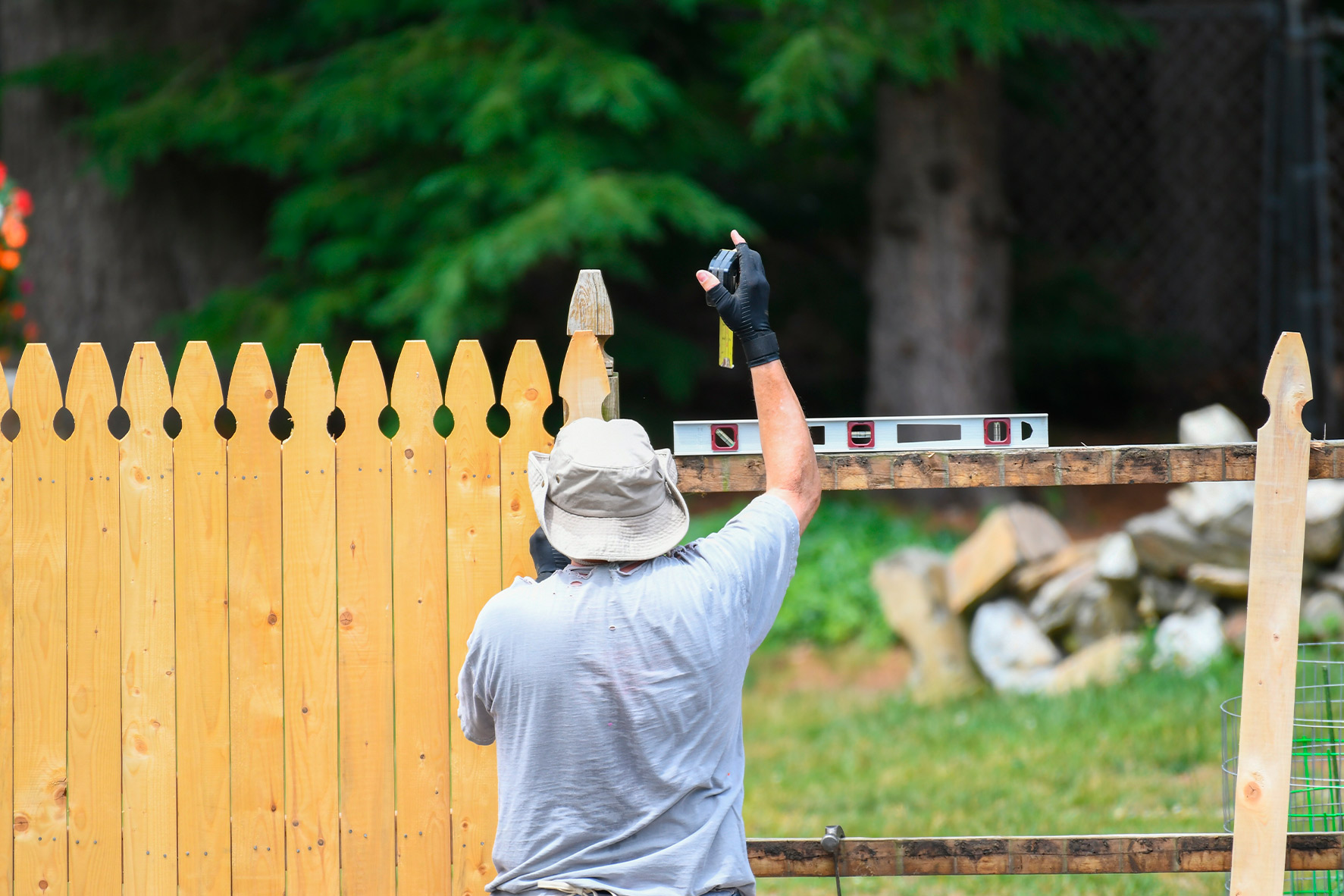
Selecting a fencing contractor impacts far more than appearance. It determines durability, safety, compliance, and long-term cost.
Before choosing a contractor, homeowners should understand how professional installation protects their property investment:
-
Local expertise supports long-term performanceGraham-specific soil types, drainage patterns, and climate conditions affect post stability, wood preservation, and material longevity.
-
Code compliance prevents costly correctionsKnowledge of HOA requirements and municipal regulations avoids future fines, removals, or rebuilds.
-
Professional installation reduces maintenance costsProper post depth, spacing, alignment, and anchoring prevent leaning, sagging, and early failure.
-
Established companies provide long-term supportLocal businesses rely on reputation, ensuring continued service and accountability.
-
Licensed and insured professionals protect homeownersProper coverage eliminates risk during installation and ensures compliance with local standards.
Fence Works reflects these principles in every project. Their approach focuses on doing the job right the first time, protecting both the structure of the fence and the homeowner’s long-term investment.
Local Expertise: Why Graham Homeowners Trust Fence Works
Fence installation isn’t one-size-fits-all. Soil composition, slope, drainage, property layout, and neighborhood standards all affect how a fence should be built. Fence Works brings deep local knowledge of Graham that national companies simply can’t replicate.
Since 2012, the company has worked throughout Graham and surrounding communities, developing an understanding of local terrain, weather patterns, and building expectations. This experience allows their team to recommend materials and designs that hold up in North Carolina’s climate while still fitting neighborhood aesthetics.
Instead of pushing generic solutions, Fence Works tailors every project to the property itself. Each installation begins with a detailed evaluation that considers layout, terrain, function, and visual appeal. This ensures that every fence is both practical and well-matched to the home.
Here’s what that local knowledge delivers:
-
Accurate post-setting techniques based on Graham’s soil conditions
-
HOA and municipal compliance through code-aware planning
-
Material selection suited to local weather patterns
-
Design compatibility with neighborhood styles
-
Reliable sourcing through relationships with local suppliers
With more than 15 years of combined experience and installations across nearly every part of the region, Fence Works has become a recognized name in the community. Their BBB accreditation and consistent customer feedback reflect a business built on trust, not transactions.
Quality Craftsmanship and Professional Installation
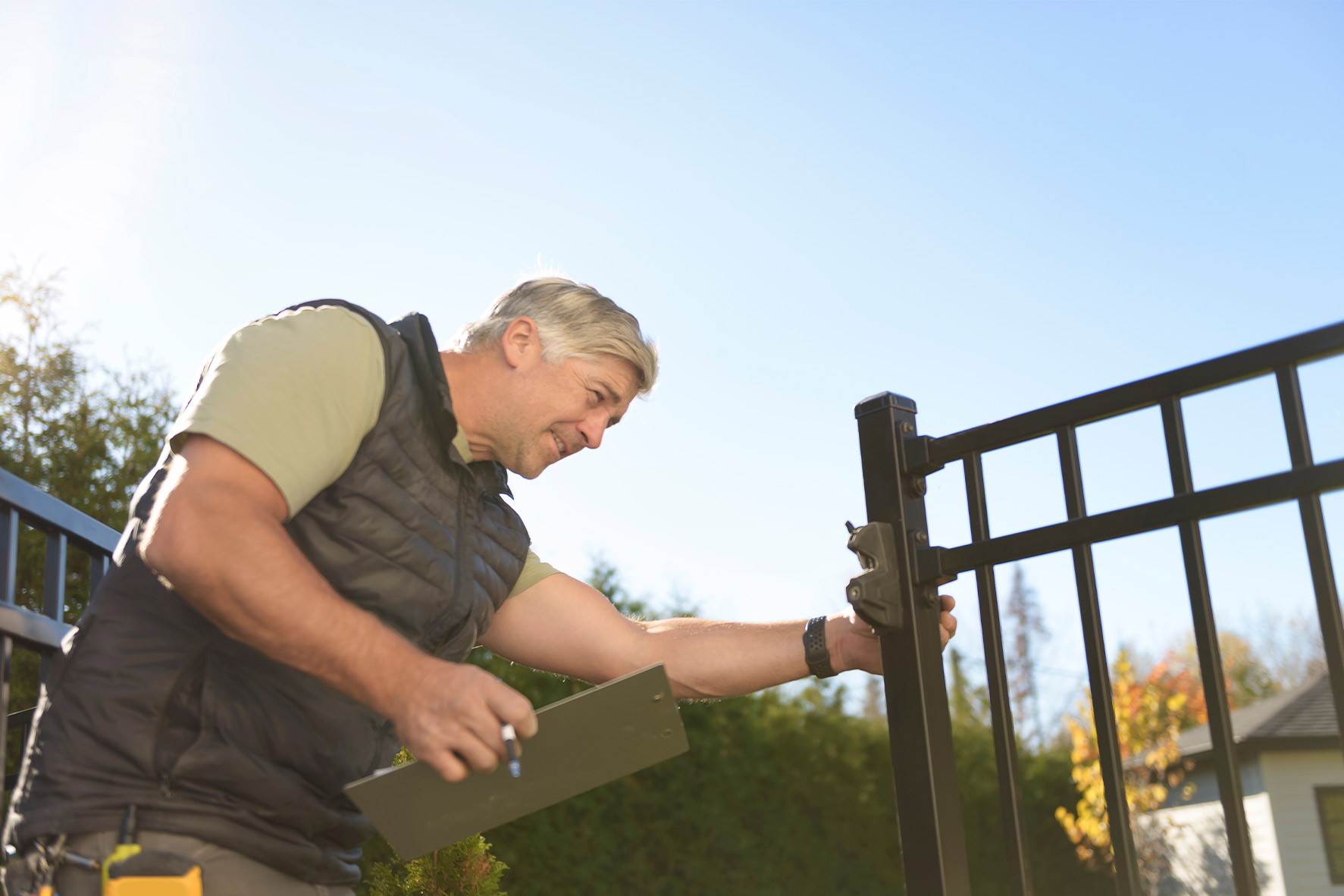
At Fence Works, craftsmanship starts with material selection. The company uses wood, vinyl, aluminum, metal, and chain link fencing chosen specifically for durability, performance, and longevity in Graham’s climate. This focus on quality materials ensures each fence maintains its strength and appearance over time.
Their installation team brings over 15 years of combined hands-on experience. Each crew member is trained in proper installation techniques, including correct post depth, spacing, anchoring, and alignment. This expertise allows the team to handle complex terrain, uneven ground, drainage challenges, and custom designs without compromising structural integrity.
Every project follows a structured process:
-
Site evaluation to assess layout, drainage, and terrain
-
Planning and measurement for accuracy and alignment
-
Professional installation using proven construction methods
-
Final inspection to ensure quality and performance
This attention to detail prevents common issues like sagging gates, leaning posts, and premature deterioration. One customer summarized it simply: “The price was great and the work was even better”.
Fence Works is fully licensed, bonded, and insured, ensuring every project meets safety standards and regulatory requirements. Their one-year workmanship warranty further reinforces confidence in the quality of their work.
Transparent Service and Customer-Focused Experience
Fence Works has built its reputation not only on craftsmanship, but on clear, honest service. Graham homeowners benefit from free estimates, competitive pricing, and straightforward contracts that outline the full scope of each project.
There are no hidden fees, unclear terms, or surprise charges, just clear communication from start to finish.
Customer service doesn’t stop at installation. Fence Works is known for responsive support and fast service, even in urgent situations. One customer shared: “We called Fence Works on a Sunday after our fence was cut. Within an hour, the team was on site with supplies, and shortly after, the fence looked as good as new”.
Their service model includes:
-
Free estimates and competitive pricing
-
Clear contracts and documentation
-
Responsive communication
-
Emergency repair services
-
One-year workmanship warranty
As a BBB-accredited company, Fence Works maintains high standards of professionalism and accountability. Their consistent five-star reviews reflect long-term customer trust built through reliability, quality work, and respectful service.
A Trusted Fencing Partner for Graham Homes and Businesses
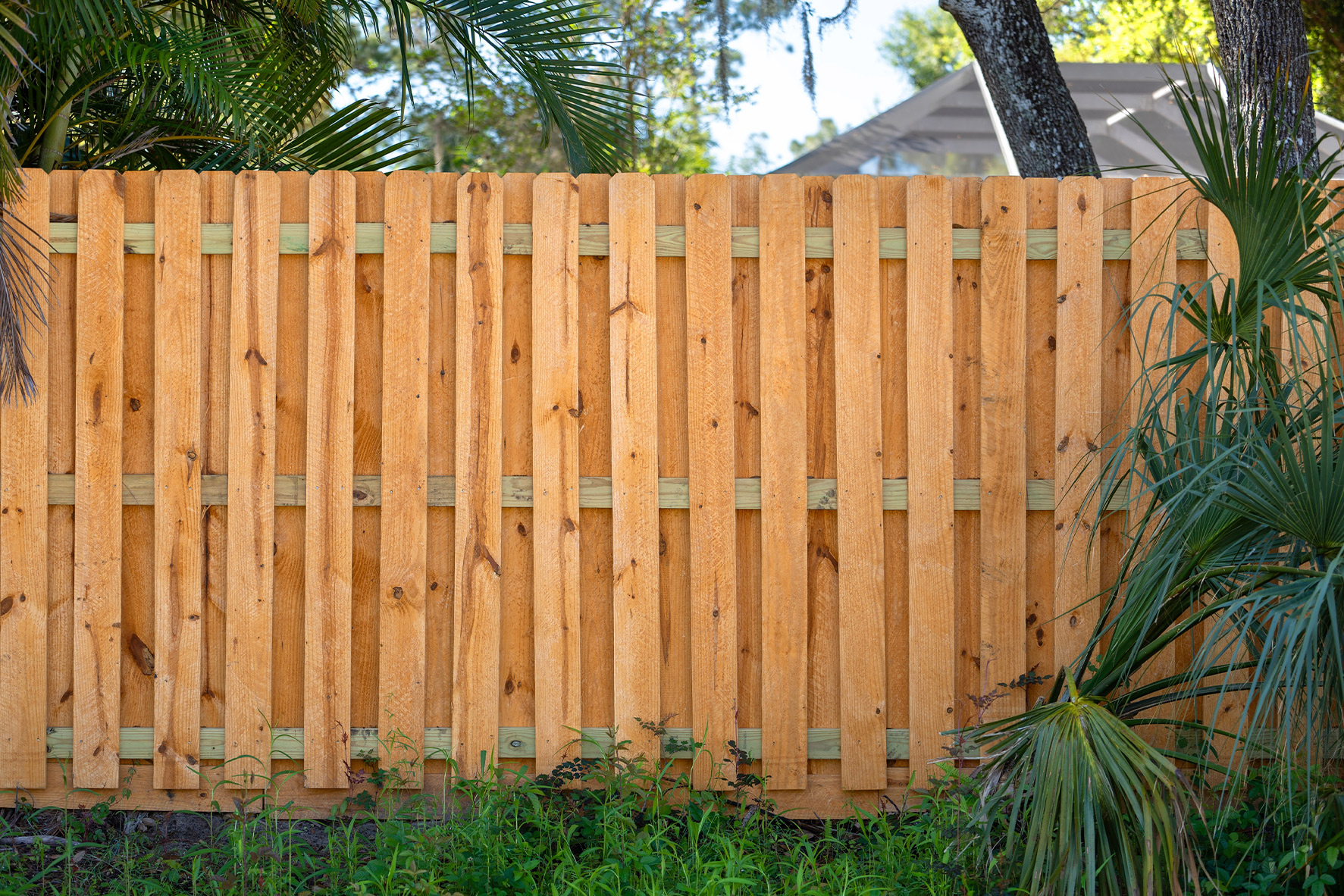
Fence Works operates as a long-term partner for property owners. Their mission is simple: deliver fencing solutions that provide security, privacy, durability, and visual appeal while maintaining honest service and consistent quality.
Whether it’s a residential privacy fence, a decorative vinyl installation, or a commercial chain-link system, every project is handled with the same level of care and professionalism.
For Graham homeowners and business owners, that means:
-
Long-lasting installations
-
Reliable service
-
Local accountability
-
Professional craftsmanship
-
Transparent pricing
Fence Works continues to earn its reputation as Graham’s trusted fence company by doing what matters most, delivering quality work, standing behind it, and building long-term relationships within the community.
If you’re looking for reliable fencing solutions in Graham, NC, Fence Works offers custom installations for both residential and commercial properties. With over 15 years of combined experience, free estimates, premium materials, and a one-year workmanship warranty, their team delivers fencing solutions that combine function, security, and style. Contact us today and discover the difference local craftsmanship makes.
-
-
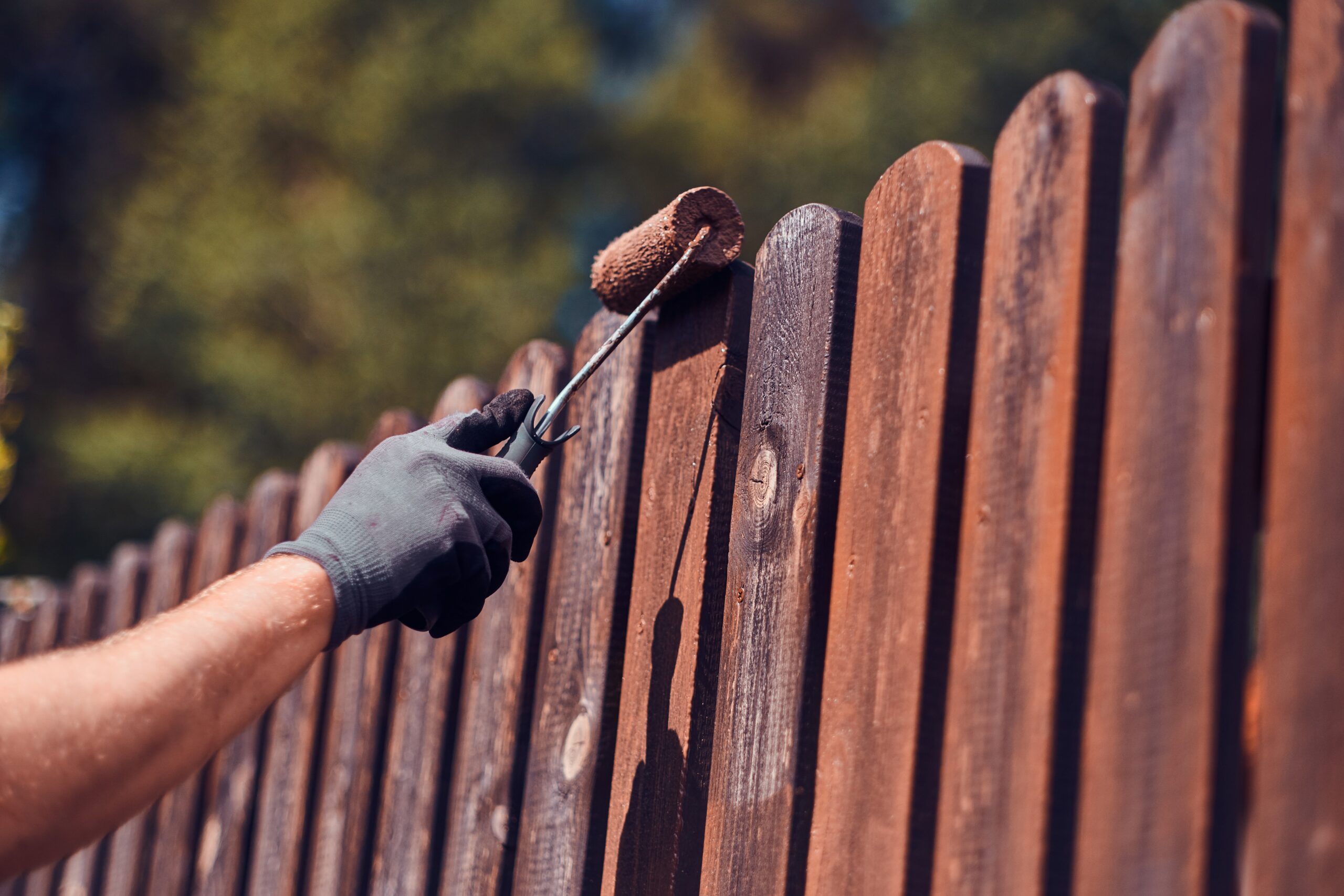
Complete Fence Installation Services for Homes & Businesses
Fences serve as more than just boundaries. They enhance privacy, improve safety, and boost a property’s curb appeal. Professional fence installation services ensure that every detail from design to material choice is customized for your home or business. Whether it’s a wooden fence for charm, vinyl for durability, chain-link for security, or aluminum for modern appeal, expert installation guarantees long-lasting results.
Why Professional Fence Installation Matters
Installing a fence might seem simple, but proper measurement, material selection, and alignment make all the difference. Professional installers bring expertise, precision, and tools that ensure your fence stands strong for years. A well-installed fence not only protects your property but also enhances its appearance and value.
Tailored Solutions for Every Property
Every property has unique requirements. Professional installers assess terrain, space, and local regulations before starting the project. This ensures that your fence complements your landscape, aligns with your goals, and meets safety standards.
Quality Materials and Expert Craftsmanship
Reputable fencing companies source premium materials and use proven installation techniques. Whether you want decorative designs or sturdy barriers, quality craftsmanship ensures longevity, strength, and aesthetic appeal.
Types of Fence Installation Services
Choosing the right type of fence depends on the property’s purpose, style, and budget. A professional service provider can help determine which material best fits your needs.
Wood Fence Installation
Wood fencing remains a timeless choice for homeowners who value classic aesthetics and natural beauty. Available in styles like picket, privacy, and post-and-rail, wood fences add warmth to any property.
Treated lumber helps resist rot and pests, while custom staining or painting provides a personal touch. Regular maintenance, such as sealing and occasional repairs, keeps wood fences in top condition for decades.
Vinyl Fencing
Vinyl fences are popular for their low maintenance and modern appeal. They resist fading, cracking, and weather damage, making them perfect for Florida’s variable climate.
Available in various colors and textures, vinyl fencing offers a clean, polished look without the need for repainting. It’s ideal for residential areas seeking privacy and easy upkeep.
Chain-Link Fences
Chain-link fences are strong, practical, and cost-effective. They provide excellent security without obstructing visibility. Businesses often use them for securing warehouses, playgrounds, or sports facilities. For residential use, coated or vinyl-covered chain-link fences can blend functionality with style while maintaining affordability and strength.
Aluminum Fencing
Aluminum fences combine elegance with durability. They mimic the look of wrought iron but are lighter and resistant to rust. Perfect for both homes and commercial spaces, aluminum fences enhance property appeal while requiring minimal maintenance.
They are often used for pool enclosures, garden boundaries, and perimeter protection. With powder-coated finishes, they maintain their shine and structure for years.
The Fence Installation Process
Professional fence installation companies follow a detailed process to ensure lasting results.
1. Site Evaluation and Planning
Experts begin by assessing your property’s terrain, measuring dimensions, and identifying potential obstacles. They also check local regulations and property lines to ensure compliance.
2. Design and Material Selection
Clients can choose from different materials, colors, and styles. The installer provides samples and visual references to help finalize the perfect design for your home or business.
3. Installation and Finishing
Once materials are ready, the team installs posts, panels, and gates with precision. After installation, they perform a quality check to ensure alignment, stability, and overall finish meet expectations.
Benefits of Professional Fence Installation Services
Hiring experienced installers brings lasting benefits to your property.
Increased Property Value
A well-built fence boosts aesthetic appeal, which can increase resale value. Homebuyers appreciate homes that offer privacy and security.
Enhanced Security and Privacy
Fencing creates a clear boundary and acts as a deterrent against trespassing. For businesses, it helps secure assets and control access points effectively.
Low Maintenance and Durability
Professional installations reduce maintenance needs and prevent future issues like sagging or instability. Quality materials and workmanship extend your fence’s lifespan significantly.
Residential and Commercial Applications
Professional fence installation services cater to both homeowners and business owners.
For Homes
Homeowners often choose fences to ensure privacy, define property lines, or enhance garden aesthetics. Vinyl and wood fences are ideal for residential properties seeking a blend of style and comfort.
For Businesses
Commercial fencing focuses on security and structure. Chain-link and aluminum fences are commonly used to safeguard commercial properties, control entry points, and maintain professional appearances.
Factors to Consider Before Installation
Before starting a fencing project, property owners should consider:
-
Local zoning laws and permits
-
Terrain and soil type
-
Purpose (privacy, aesthetics, or security)
-
Maintenance preferences
-
Budget and material longevity
Discussing these factors with your installer ensures the fence aligns perfectly with your needs.
Maintenance Tips for Long-Lasting Fences
Keeping your fence in great condition helps maintain its appearance and function.
Regular Cleaning
Use mild soap and water to remove dirt, mildew, or buildup. Vinyl and aluminum fences can be cleaned easily with a soft brush or garden hose.
Timely Repairs
Inspect your fence for loose posts, cracks, or rust. Early repairs prevent small issues from escalating and extend the structure’s life.
Protective Coatings
For wood or metal fences, applying sealants or paint every few years protects against moisture and weather-related wear.
Choosing the Right Fence Installation Company
Selecting a trusted fence installer ensures you receive professional results that meet your expectations. Look for:
-
Licensed and insured contractors
-
Experience with various fence types
-
Transparent pricing and warranties
-
Positive customer feedback and portfolio samples
Conclusion
A well-installed fence adds more than security; it enhances your property’s value, style, and comfort. By hiring professionals for fence installation services, you ensure durable results tailored to your specific needs. Whether you choose wood for warmth, vinyl for convenience, chain-link for security, or aluminum for elegance, the right fencing solution can transform your home or business exterior into a safe and stylish space. Ready to enhance your property? Contact Fence Works for expert fencing design and installation.
Frequently Asked Questions
How long does a fence installation take?
Most fence installations are completed within 2–5 days, depending on the property size and material type.
Which fencing material requires the least maintenance?
Vinyl and aluminum fences are low maintenance, requiring only occasional cleaning to stay in top shape.
Are fence installation permits required?
Yes, most areas require local permits for fencing. Professional installers usually assist with obtaining them.
How do I choose between wood, vinyl, and metal fences?
Your choice depends on your budget, aesthetic preferences, and maintenance expectations. A professional can help guide your decision.
Can fencing be customized for business needs?
Absolutely. Commercial clients often opt for chain-link, or aluminum fencing designed for enhanced security and access control.
-


