Category: Fence Local Service

  • Aging in Place: Safe Fencing Solutions for Seniors

    Aging in Place: Safe Fencing Solutions for Seniors

    Aging in place isn’t just about grabbing bars in the bathroom and wider doorways inside the home. For many seniors, the backyard is where they garden, watch grandkids play, or simply enjoy some fresh air. Thoughtful fencing can turn that outdoor space into a safer, more accessible, and more private environment that supports truly independent living.

    Creating a safe backyard for aging in place starts at the property line, and the right fence installation can make a meaningful difference to day‑to‑day comfort and peace of mind.

    Why Fencing Matters for Backyard Safety when Aging in Place

    For seniors who want to remain in their homes, the backyard can present several risks: uneven ground, steps, changes in elevation, and open boundaries that can feel exposed or unsafe. A well‑planned fence creates a defined, secure perimeter that:

    Many of the same principles that make a yard safer for children and pets- controlled access points, consistent fence heights, and clear visibility- also support older adults who want to age in place safely.

    Key Design Features of Senior‑Friendly Fencing

    Sanding and preparing wooden fence for painting. Senior man restoring picket fence in garden

    For seniors who want to remain in their homes, the backyard can present several risks: uneven ground, steps, changes in elevation, and open boundaries that can feel exposed or unsafe. A well‑planned fence creates a defined, secure perimeter that:

    Many of the same principles that make a yard safer for children and pets, controlled access points, consistent fence heights, and clear visibility, also support older adults who want to age in place safely.

    Key Design Features of Senior‑Friendly Fencing

    A fence designed with seniors in mind goes beyond aesthetics. It should balance security, visibility, and ease of movement.

    1. Consistent, appropriate heightA consistent fence height helps define property lines and reduces tripping hazards by eliminating abrupt visual changes. While child and pet safety often drives height choices, those same guidelines can ensure adults feel secure without feeling boxed in.

    2. Smooth, obstruction‑free surfacesLook for fence materials and designs that minimize sharp edges, protruding nails, or rough boards. Smooth, finished surfaces are easier to brush against or steady yourself on without risk of splinters or cuts. Professional fence installation teams know how to finish posts, caps, and hardware so there are fewer snags and hazards.

    3. Clear sightlinesFor seniors who want security without feeling closed in, semi‑privacy designs,like certain vinyl, aluminum, or custom wood styles, can provide a balance of privacy and visibility. Good lines of sight across the yard make it easier to supervise children, keep an eye on pets, and move confidently from one area to another.

    4. Integration with Pool and Play AreasIf the property includes a pool, play set, or garden steps, the fence design should consider those higher-risk zones. Separate pool fencing, secure gates, and clearly defined transition points between levels all contribute to safer daily use. These features are especially important for seniors, as they help reduce fall risks, improve navigation around the property, and create a safer outdoor environment.

    Accessible, Easy‑to‑Use Gates

    Gates are often the most important, and most overlooked, part of a safe fence installation for seniors. A beautifully built fence still falls short if gates are difficult to open or easy to trip over.

    Consider the following features when designing or upgrading gates:

    • Wider openings to accommodate walkers, wheelchairs, or scooters
    • Lever‑style latches rather than small, stiff thumb latches
    • Low or no thresholds so there’s nothing to step over
    • Smooth, self‑closing hinges that aren’t too heavy or fast
    • Lock placement at a comfortable height for those with limited reach or mobility

    Gate hardware inspired by child‑safety standards can also serve seniors well by preventing accidental openings while still being intuitive to use.

    Low‑Maintenance Materials for Stress‑Free Living

    Senior man adjusting fence lock with concentrated precision during home repair. Concept of DIY tasks, outdoor maintenance, security hardware visuals, and practical homeowner routines.

    For many seniors and caregivers, the biggest long‑term concern isn’t how a fence looks on day one, it’s how it will perform years later. A safe backyard becomes even more important when aging in place because homeowners don’t have to climb ladders, haul paint cans, or constantly repair damaged boards.

    Common low‑maintenance choices include:

    • Vinyl fencing: Won’t rot, peel, or need repainting; cleans with a simple rinse.
    • Aluminum fencing: Lightweight, rust‑resistant, and ideal for pool or garden enclosures.
    • Composite options: Combine the look of wood with the durability of modern materials.

    These materials reduce the need for scraping, painting, or replacing boards, tasks that can become physically demanding or unsafe over time. Professional installers can recommend styles that match the home’s architecture while minimizing upkeep. 

    If there’s an existing fence in decent condition, a strategic fence repair or reinforcement may be all that’s needed to support aging in place goals, especially in specific risk areas like steps, gates, and pool surrounds.

    Safety, Codes, and Permits: Doing It Right the First Time

    A safe fence is more than solid posts and sturdy panels; it also needs to comply with local building codes and permitting requirements. These rules often include:

    • Maximum fence heights
    • Required setbacks from property lines
    • Specific standards for pool enclosures
    • Visibility requirements at driveways and corners

    Working with a fence company that understands local regulations can prevent costly changes later and ensure that safety features, like pool gates and fence heights, meet or exceed code.

    Seasoned local fence contractors bring this code knowledge to every project, helping homeowners avoid surprises and maintain safe, compliant yards.

    Why Professional Fence Installation Matters for Seniors

    DIY projects can be rewarding, but fence installation for aging in place is rarely the best place to experiment. Professional installers can:

    • Evaluate slopes, drainage, and existing structures
    • Recommend safer gate placements and walkway alignments
    • Suggest handrails or grab points where terrain changes
    • Customize designs for mobility aids and caregiver access
    • Coordinate repairs or upgrades to existing fences

    Teams with years of experience in custom fence installation are particularly well‑equipped to create unique solutions for complex yards and multi‑generation households. 

    A reputable local fence company will also stand behind their work and be available for adjustments or repairs as needs change over time, an important consideration when planning for long‑term independence. 

    A Practical Checklist for Homeowners and Caregivers

    Friendly relationship with neighbours. Happy men shaking hands above fence outdoors

    To create a safer backyard for aging in place, use this checklist when planning a new fence installation or updating an existing one:

    • Walk the yard and note any trip hazards, steep slopes, or blind spots.
    • Decide which areas must be fully enclosed (e.g., pool, patio, garden).
    • Choose fence heights that balance privacy with visibility.
    • Plan accessible gate locations aligned with main paths and doors.
    • Select low‑maintenance materials that won’t require heavy upkeep.
    • Confirm that designs align with local codes and permit requirements
    • Discuss future mobility needs,walkers, wheelchairs, caregivers, with your installer.

    Creating a safer backyard is an important part of aging in place backyard safety.

    Choosing the right fencing partner ensures your outdoor space is designed to support mobility, security, and long-term independence. An experienced fencing professional can assess your property’s unique layout, recommend solutions that address mobility and safety concerns, and deliver expert installation with clear communication and transparent pricing every step of the way.

    If you or a loved one plans to age in place, don’t wait until a fall or safety concern forces changes. Investing in a thoughtfully designed fence today can help create a more secure, accessible outdoor space that supports independence, privacy, and confidence for years to come. Contact Fence Works today to explore custom fencing solutions that make your backyard safer, more functional, and ready for every stage of life.

  • 2026 Wood Fence Cost Guide for NC

    2026 Wood Fence Cost Guide for NC

    If you’re researching wood fence cost Graham NC, you’re likely trying to balance three things: price, durability, and peace of mind. You want a fence that looks good, protects your yard, and holds up to North Carolina weather without surprises halfway through the job.

    This guide walks you through 2026 wood fence costs, what drives those costs in Graham and Alamance County, and how to plan your project the right way.

    Why Wood Fencing Still Makes Sense in North Carolina

    Cedar privacy fence with a cap rail and trim running along a property line

    Across the state, from the neighborhoods of Raleigh to the growing communities around Graham, wood remains one of the most practical and attractive fencing options.

    Here’s why:

    • Natural curb appeal that fits traditional and modern homes
    • Strong privacy for backyards and pool areas
    • Customizable design (heights, picket styles, board-on-board, shadowbox)
    • Solid value compared to many premium materials

    Wood fences simply look at home in North Carolina. And when installed properly, with correct post depth and concrete curing time, they last for decades.

    Average Wood Fence Cost in Graham, NC (2026)

    In 2026, most North Carolina homeowners can expect:

    • $20–$50 per linear foot installed (standard 6′ wood fence)
    • Higher-end designs or premium lumber reaching $55–$64 per linear foot
    • Total project costs typically range between $3,000 and $10,000

    Urban areas like Charlotte and Raleigh are trending higher due to labor demand. Smaller markets like Graham are often more moderate, but pricing still depends heavily on materials and site conditions.

    Wood Fence Cost in Graham, NC: What to Expect Locally

    If you’re budgeting specifically for wood fence cost Graham, NC, here’s a realistic breakdown for a standard 6-foot privacy fence:

    Project SizeEstimated Cost Range (Installed)Notes
    100 linear ft$2,200 – $4,500Small yard section
    150 linear ft$3,300 – $6,750Partial backyard
    200 linear ft$4,400 – $9,000Average full backyard
    250+ linear ft$5,500 – $11,000+Larger properties

    These ranges assume:

    • Pressure-treated pine or standard cedar
    • 6-foot height
    • Standard gate included
    • Typical Alamance County soil conditions

    Sloped yards, rock-heavy soil, double gates, or premium lumber will increase pricing. To estimate your own layout, see our guide on how to measure and budget for fencing.

    What Impacts Wood Fence Cost in Graham, NC?

    Installer using a string line to align pressure-treated pine pickets

    When homeowners search for wood fence costs in Graham NC, they’re usually trying to understand why one quote comes in at $4,500 and another at $8,500. The difference isn’t random. It comes down to materials, site conditions, installation standards, and a few local factors specific to Graham and the surrounding Alamance County area.

    1. The Type of Wood You Choose

    Material selection is one of the biggest cost drivers, and it’s not just about appearance.

    Pressure-treated pine is the most common choice in central North Carolina. It’s affordable, readily available, and durable when installed correctly and sealed properly. For many Graham homeowners, this option strikes the best balance between upfront cost and long-term performance.

    Cedar, on the other hand, costs more at the start but naturally resists rot and insects. It typically requires less aggressive chemical treatment and holds up well in humid conditions. Over 20+ years, that durability can offset part of the initial investment.

    The price difference between pine and cedar can shift a full-yard project by several thousand dollars. That’s why it’s important to look beyond just “cost per foot” and think in terms of lifespan and maintenance.

    2. Fence Height and Design Complexity

    A standard 6-foot privacy fence is the most cost-efficient structure to build. Materials are readily available, posts are spaced predictably, and installation is straightforward.

    Once you move beyond that baseline, costs increase, not because contractors are inflating prices, but because more material and labor are genuinely required.

    For example:

    • A 7- or 8-foot fence requires longer posts and more lumber.
    • Board-on-board privacy styles use nearly twice the pickets of a basic privacy fence.
    • Decorative tops, lattice work, or custom trim add time and detailed finish work.

    In most cases, taller or more detailed fences add 20–30% to total project costs. The added privacy or design appeal may be worth it, but it’s helpful to understand where that increase comes from.

    3. Soil Conditions and Property Layout

    Flat, accessible lots are quicker to measure, set, and build. Sloped yards require stepped or racked installation methods. Rocky soil can slow down the process of digging posts. Tight access points may mean materials have to be carried in by hand instead of delivered close to the build line.

    In some cases, challenging terrain can add 10–25% to labor costs. That’s not a penalty. It reflects the extra time required to ensure posts are properly set and the fence line stays straight and secure.

    4. Installation Method: Where Quality Really Shows

    Two fences made of the same wood can have very different lifespans depending on how they’re installed. A properly built fence in North Carolina should include:

    • Posts set below frost depth
    • Concrete allowed to cure before rails and boards are attached
    • Measured layout to maintain straight runs
    • Reinforced gate framing
    • Careful alignment to prevent sagging

    Some installers build the entire fence the same day posts are set. That saves time. But when concrete doesn’t cure properly, posts can shift, especially during heavy rain or seasonal soil movement.

    Fence Works takes the time and builds in phases to add stability. It’s one of the clearest differences between a fence that lasts 10 years and one that lasts 20+.

    5. Gates and Functional Additions

    Gates are more than openings. They’re structural stress points.

    A basic 4-foot walk gate is relatively straightforward. A double drive gate requires reinforced posts, heavier framing, and stronger hardware. Without that reinforcement, sagging becomes inevitable.

    If you plan to store equipment in your backyard or allow vehicle access, budgeting properly for a reinforced gate upfront prevents expensive adjustments later.

    6. Removal of an Existing Fence

    If you’re replacing an old fence in Graham, removal and disposal need to be part of the conversation.

    Older fences often have concrete footings that must be dug out. Disposal fees vary depending on landfill rates and debris volume. While removal typically adds a few dollars per linear foot, it’s an important part of delivering a clean, site-ready foundation for the new build.

    Skipping proper removal or building alongside failing posts may lower upfront costs, but it compromises long-term reliability.

    7. Permits and Neighborhood Requirements

    Depending on your neighborhood or HOA, you may need approval before installation. Most standard 6-foot residential fences are straightforward, but taller structures or corner lots may require additional review.

    Permit fees in North Carolina are generally modest. The larger concern is compliance. A fence built too close to a property line or outside height limits can create costly corrections later.

    When estimates include proper layout planning and code compliance, that’s part of protecting your investment.

    Ongoing Maintenance Costs in North Carolina

    Installer fastening horizontal wood boards to a fence post

    North Carolina’s humidity, steady rainfall, and summer storms can be tough on wood fencing. That doesn’t mean wood isn’t a good choice here; it just means maintenance matters.

    In Graham and the surrounding areas, a wood fence should be inspected at least once a year. Most homeowners choose to do this in the spring, checking for loose boards, minor warping, or early signs of moisture damage after winter weather. Annual cleaning helps remove dirt, mildew, and surface buildup that can trap moisture against the wood.

    Resealing is typically needed every one to two years, depending on sun exposure and rainfall. Restaining or repainting is usually required every two to five years. Fences with full sun exposure tend to need attention sooner than shaded sections.

    If you hire a professional, staining generally runs between $2 and $14 per linear foot, depending on product quality and preparation work. Homeowners who prefer to handle maintenance themselves usually spend between $150 and $400 per year on materials, depending on fence size and product choice.

    When maintained consistently, wood fences in North Carolina commonly last 15 to 30 years. Without upkeep, deterioration can begin much earlier, and replacement may be needed in as little as 7 to 10 years. Our wood fence repair cost guide covers what common repairs cost along the way.

    Smart Ways to Manage Wood Fence Cost in Graham, NC

    If you’re trying to stay within budget while planning your project, there are practical ways to manage wood fence cost in Graham, NC, without compromising quality.

    1. Plan Your Installation Timing Carefully

    Fence demand tends to spike in spring and early summer when homeowners begin outdoor projects. During these months, schedules fill quickly, and timelines can stretch.

    Late fall and winter are often less busy. While pricing doesn’t always drop dramatically, you may find more scheduling flexibility and quicker turnaround times. Planning ahead instead of waiting until peak season gives you more control over the process and reduces pressure to make rushed decisions.

    2. Keep the Design Straightforward

    Simple fence layouts are more efficient to build. Long, straight runs with standard 6-foot height use materials more predictably and reduce installation time.

    When designs include multiple corners, height transitions, decorative tops, or custom trim work, labor increases, and so does material waste. That doesn’t mean custom work isn’t worth it. It simply means understanding how complexity affects cost allows you to decide where upgrades matter most to you.

    3. Prioritize Build Quality Over Speed

    It can be tempting to choose the fastest install date or the lowest bid. But structural shortcuts often lead to higher long-term expenses.

    A fence that’s properly measured, set at the correct post depth, and allowed time for concrete curing will stay straighter and stronger through seasonal changes. Saving a few hundred dollars upfront doesn’t feel worthwhile if posts begin to lean after the first heavy rain.

    When budgeting, it helps to separate cosmetic upgrades from structural integrity. Structure should never be a compromise.

    4. Ask for Detailed, Itemized Estimates

    An itemized estimate brings clarity. It allows you to see how much is allocated to materials, labor, gates, removal, and optional upgrades.

    Clear breakdowns prevent misunderstandings and make it easier to compare quotes fairly. When you understand where your investment goes, you’re in a better position to make informed adjustments if needed.

    Is Wood Fencing Worth It in Graham?

    For most homeowners, yes. Wood fencing offers strong privacy, flexible design options, reliable structural performance, and solid resale value.

    In many neighborhoods across Graham and Burlington, a well-built fence improves both usability and curb appeal.

    Frequently Asked Questions

    Shadowbox-style wood privacy fence with alternating pine boards

    1. How much does a 200-foot wood fence cost in Graham, NC?

    For most homeowners researching wood fence cost in NC, a 200-linear-foot privacy fence typically ranges between $4,400 and $9,000. That range assumes a standard 6-foot height using pressure-treated lumber on a typical residential lot in Graham.

    The final number depends on material choice, gates, terrain, and installation standards. Upgrading to cedar, adding multiple gates, or building on sloped ground will increase the total. The most accurate way to budget is to measure the property and review a detailed estimate that outlines both materials and labor.

    2. Is pressure-treated pine fence good enough for North Carolina weather?

    Yes, when it’s installed and maintained properly. Pressure-treated pine is widely used throughout central North Carolina because it holds up well in humidity and seasonal rain. The key is proper post depth, allowing concrete to cure fully, and sealing the wood on a consistent schedule.

    Most early fence failures are not caused by the lumber itself. They’re caused by shallow posts, rushed installation, or skipped maintenance. When built correctly and resealed as needed, pressure-treated pine can last 15–20 years or longer in this climate.

    3. How long does wood fence installation usually take?

    Most standard residential fences are built over several days rather than in a single rush. The process typically begins with measured layout and post setting. After the posts are secured in concrete, they’re given time to cure before rails and boards are installed. This phased approach improves long-term stability, especially in North Carolina soil conditions.

    For an average backyard project in Graham, installation often takes a few days depending on size and weather. Larger or more complex designs may take longer. Clear scheduling upfront helps set expectations, so there are no surprises during the build.

    Get a Clear, Fast Wood Fence Cost in Graham, NC, from Fence Works

    If you’re actively comparing wood fence costs in Graham NC, the next step shouldn’t feel complicated. Fence Works focuses on doing things the right way:

    • Posts are set first and allowed to cure properly
    • Installations are built in phases, not rushed
    • Clean job sites are standard
    • Estimates are delivered quickly, often within hours
    • An online fence design tool lets you map your project before committing
    • Flexible financing options are available

    The goal is simple: build durable, weather-ready fences while keeping communication clear and expectations realistic. Check a few of our works here.

    If you’re ready to measure, plan, and build with confidence, request your estimate today and take the first step toward a fence that’s built right the first time.

  • Local Fence Repair Services in Graham: What to Expect

    Local Fence Repair Services in Graham: What to Expect

    Your fence works hard every day. It keeps your property secure, gives you privacy, and helps your home look well cared for. Here in Graham, the weather doesn’t make that easy. Between the humidity, heavy rain, and summer storms, it’s normal for fences to wear down faster than expected.


    That’s why it’s important to stay ahead of small issues. Knowing what to expect from a professional repair service helps you make the right call early, before minor damage turns into a much bigger, more expensive problem.


    Common Fence Issues in Graham Homes


    Graham’s climate puts steady pressure on fencing materials. Moisture, heat, and storms all work against your fence over time, especially if it’s wood or has exposed hardware.


    Here’s what we see most often across local properties:


    • Rotting or soft wood, especially near the base of posts
    • Leaning sections caused by shifting soil or weakened footings
    • Loose or unstable posts
    • Broken or missing panels
    • Rusted nails, screws, or brackets 

    These problems don’t just affect appearance, they weaken the entire structure. North Carolina’s humidity accelerates wood decay and speeds up corrosion in metal components.


    Signs It’s Time to Take Action

    A man is engaged in fence construction, using a tool to secure the wooden panels.

    If you’re not sure whether your fence needs attention, look for these clear warning signs:

    • Visible rot or crumbling timber
    • Sections that wobble or lean
    • Gaps forming along the bottom
    • Loose or exposed fasteners
    • Missing boards that reduce privacy or security 

    Ignoring these issues usually leads to bigger repairs later. Taking care of them early helps protect your property value and keeps your fence doing its job.

    What the Fence Repair Process Looks Like


    Hiring a professional shouldn’t feel like guesswork. A well-run fence company follows a clear, step-by-step process to make sure the job is done right the first time.


    What Happens From Start to Finish


    Here’s how a typical repair or installation project moves forward:


    • Initial Contact and Free Estimate A technician visits your property to assess the damage, check the condition of your existing fence, and walk you through the best repair options based on what will hold up long term
    • Site Evaluation The crew checks the condition of the existing fence, looks at soil and post stability, and identifies any access issues before starting repairs. If digging or post replacement is needed, underground utilities are also considered
    • Damage Assessment You’ll get a clear recommendation, repair or replace, based on what’s actually needed, not guesswork
    • Permits (if required) Depending on your area, permits may be needed. This step keeps your project compliant and avoids delays
    • Materials That Match the Repair Replacement boards, posts, or hardware are chosen to match your existing fence as closely as possible, both in look and durability, so the repair blends in and holds up over time
    • Repair Work Done Right Damaged posts are reinforced or replaced, loose panels are secured, and problem areas are fixed properly, not just patched up. The goal is to restore strength and stability.
    • Final Walkthrough and Cleanup Once the repairs are complete, the area is cleaned up and any old or damaged materials are removed. You’ll walk the fence with the team to make sure everything feels solid, looks right, and the repaired sections blend in properly


    Typical Timelines You Can Expect


    Every project is different, but most fall into a predictable range:

    Project Type

    Typical Timeline

    Minor repairs

    A few hours

    Moderate repairs

    1–2 days

    Full installation

    2–4 days

    Emergency repairs

    Same-day response possible

    In urgent situations, response time matters. Local crews can often move quickly when damage affects security or safety. One Graham customer shared that after calling on a Sunday, a team was on-site within an hour.


    Getting Ready for Your Fence Service


    A little preparation on your end helps the job move faster and smoother. It also ensures the crew can focus on the work, not obstacles.


    Before the Crew Arrives


    Take a few minutes to handle the basics:

    • Clear debris, furniture, and plants along the fence line
    • Make sure gates and access points are open
    • Let neighbors know if work is near a shared boundary
    • Keep pets safely secured
    • Mark any known sprinkler or utility lines

    These small steps can make a noticeable difference in how efficiently the project runs.


    Repair or Replace? Making the Right Call

    A man uses a tool to work on a wooden fence in a sunny outdoor setting.


    Not every damaged fence needs to be replaced. A good contractor will walk you through your options and explain what makes the most sense.


    When Repair Is the Better Option

    • Damage is limited to a few sections
    • Posts are still structurally sound
    • Rot or wear hasn’t spread


    Targeted repairs, like replacing a panel or reinforcing a post, can extend the life of your fence at a lower cost.


    When Replacement Makes More Sense


    • Structural damage is widespread
    • The fence is near the end of its lifespan
    • Repair costs approach half the cost of a new fence


    In these cases, replacing the fence often saves money long-term and gives you a stronger, more reliable result.


    Understanding Costs and Long-Term Value

    When it comes to fence work, most homeowners aren’t looking to replace everything, they just want to fix what’s failing and keep the rest standing strong. In many cases, repairs are the smarter and more cost-effective option.


    Costs will always depend on the condition of your fence, but addressing problems early is what keeps those costs under control.


    What Impacts the Cost of Repairs


    Before any work begins, a contractor will look at a few key factors to determine what’s needed:

    • Extent of damage: Small issues like loose boards or minor rot are quick fixes, while damaged posts or multiple sections take more time
    • Materials needed: Matching existing wood, hardware, or panels so repairs blend in properly
    • Fence condition overall: Whether the structure is still solid or starting to fail in multiple areas
    • Access and terrain: Tight spaces, slopes, or difficult soil can affect repair time
    • Additional fixes: Gates, hinges, or sections that may need reinforcing


    What Repairs Cost vs. Replacement


    To put things into perspective, here’s how repairs compare to full replacement:

    Service Type

    Estimated Cost Range

    Minor repairs

    Lower, depending on scope

    Larger repairs

    Moderate, based on damage

    Full installation

    $20–$50 per linear foot

    Total replacement

    $3,000–$10,000

    For most homeowners, this is where repairs make the most sense. Fixing a few problem areas is far more affordable than starting over, especially when the rest of the fence is still in good shape.


    Why Timely Repairs Pay Off


    Staying ahead of damage isn’t just about saving money today, it’s about avoiding bigger problems down the line.

    • Keeps your fence strong and secure
    • Maintains privacy without needing full replacement
    • Prevents small issues from spreading
    • Extends the life of your existing fence


    Pressure-treated wood, for example, can hold up for 30 years or more when repairs are handled early and correctly.

    And the cost difference is real. Taking care of a loose post or small section now can prevent a full replacement later, saving you thousands in the long run.


     Choosing the Right Fence Contractor in Graham

    A man dressed in an orange hoodie poses casually, with a slight smile, against a neutral background.


    The company you hire will determine how well your fence holds up over time. Experience, workmanship, and reliability matter just as much as price.


    What to Look For in a Contractor


    Before hiring, make sure you’re working with a team that checks the right boxes:

    • Licensed, bonded, and insured
    • Proven experience with local projects
    • Clear warranties on workmanship
    • Transparent, detailed estimates
    • Knowledge of permits and local codes


    Proper licensing and insurance protect you during the project and ensure professional standards are followed.


    Why Local Experience Matters


    Local contractors understand Graham’s soil, weather, and regulations. That knowledge helps avoid delays and ensures the fence is built to handle real conditions, not just look good on paper.


    They also rely on their reputation in the community. That means showing up on time, doing the job right, and standing behind their work.


    Comparing Quotes the Right Way


    When reviewing estimates, don’t focus only on the lowest price. Look at:

    • Materials being used
    • Scope of work included
    • Warranty coverage
    • Timeline and communication


    A detailed quote tells you exactly what you’re paying for and what you’re getting in return.


    Built on Experience. Backed by Craftsmanship.


    Fence Works brings over 15 years of experience to projects across Graham. As a licensed, bonded, and insured contractor, the focus is simple: build fences that last and treat every property with care.


    • Free, no-pressure estimates
    • Competitive pricing
    • One-year workmanship warranty (with extended options)
    • Quality materials built for North Carolina conditions


    Take Care of Your Fence Today


    If your fence is leaning, rotting, or showing signs of wear, don’t wait for the damage to get worse. Fence Works specializes in durable, precise fence repairs that restore strength and stability to your property. Whether it’s a quick fix or more extensive work, we’ll make sure your fence stands strong for years to come.


    Contact us today or request your free estimate. Let our team handle the repairs right the first time. Your fence, and your peace of mind, deserve it.

  • Why Graham Homeowners Trust Fence Works

    Why Graham Homeowners Trust Fence Works

    A white fence in the foreground with a house visible in the background under a clear blue sky.

    For homeowners in Graham, a fence isn’t just a line around a property. It’s a long-term investment in privacy, safety, and property value. The right fence creates secure outdoor spaces for children and pets, defines property lines, enhances curb appeal, and adds real functional value to a home. That’s why choosing the right fence company in Graham directly affects how well your investment performs over time.

    Since 2012, Fence Works has built a reputation as a trusted local fencing company serving both residential and commercial properties throughout the Graham area. As a family-owned business, the company combines strong community values with professional craftsmanship, delivering custom fencing solutions designed to last. With more than 15 years of combined industry experience, the Fence Works team brings proven skill, reliability, and consistency to every project.

    That local trust is reflected in customer feedback. One Graham homeowner shared: “These guys built a great fence in great time. The price was great and the work was even better”. That kind of reputation isn’t built through marketing, it’s built through consistent results, dependable service, and quality work.

    Choosing a local fence company matters. Local contractors understand soil conditions, weather patterns, permitting processes, and municipal regulations that directly affect fence durability and compliance. Unlike national chains, local companies depend on community relationships, accountability, and word-of-mouth trust, making service quality and customer satisfaction a priority, not an afterthought.

    As Graham continues to grow, homeowners are increasingly looking for fence companies that deliver more than basic installation. They want craftsmanship, communication, reliability, and long-term value. Fence Works delivers on all of these, earning long-standing trust across the community.

    Why Choosing the Right Fence Company Protects Your Investment

    A man is engaged in building a fence, carefully measuring and securing the wooden panels in place.

    Selecting a fencing contractor impacts far more than appearance. It determines durability, safety, compliance, and long-term cost.

    Before choosing a contractor, homeowners should understand how professional installation protects their property investment:

    • Local expertise supports long-term performanceGraham-specific soil types, drainage patterns, and climate conditions affect post stability, wood preservation, and material longevity.

    • Code compliance prevents costly correctionsKnowledge of HOA requirements and municipal regulations avoids future fines, removals, or rebuilds.

    • Professional installation reduces maintenance costsProper post depth, spacing, alignment, and anchoring prevent leaning, sagging, and early failure.

    • Established companies provide long-term supportLocal businesses rely on reputation, ensuring continued service and accountability.

    • Licensed and insured professionals protect homeownersProper coverage eliminates risk during installation and ensures compliance with local standards.

    Fence Works reflects these principles in every project. Their approach focuses on doing the job right the first time, protecting both the structure of the fence and the homeowner’s long-term investment.

    Local Expertise: Why Graham Homeowners Trust Fence Works

    Fence installation isn’t one-size-fits-all. Soil composition, slope, drainage, property layout, and neighborhood standards all affect how a fence should be built. Fence Works brings deep local knowledge of Graham that national companies simply can’t replicate.

    Since 2012, the company has worked throughout Graham and surrounding communities, developing an understanding of local terrain, weather patterns, and building expectations. This experience allows their team to recommend materials and designs that hold up in North Carolina’s climate while still fitting neighborhood aesthetics.

    Instead of pushing generic solutions, Fence Works tailors every project to the property itself. Each installation begins with a detailed evaluation that considers layout, terrain, function, and visual appeal. This ensures that every fence is both practical and well-matched to the home.

    Here’s what that local knowledge delivers:

    • Accurate post-setting techniques based on Graham’s soil conditions

    • HOA and municipal compliance through code-aware planning

    • Material selection suited to local weather patterns

    • Design compatibility with neighborhood styles

    • Reliable sourcing through relationships with local suppliers

    With more than 15 years of combined experience and installations across nearly every part of the region, Fence Works has become a recognized name in the community. Their BBB accreditation and consistent customer feedback reflect a business built on trust, not transactions.

    Quality Craftsmanship and Professional Installation

    A man with a clipboard stands in front of a fence, likely engaged in a task or assessment related to the area.

    At Fence Works, craftsmanship starts with material selection. The company uses wood, vinyl, aluminum, metal, and chain link fencing chosen specifically for durability, performance, and longevity in Graham’s climate. This focus on quality materials ensures each fence maintains its strength and appearance over time.

    Their installation team brings over 15 years of combined hands-on experience. Each crew member is trained in proper installation techniques, including correct post depth, spacing, anchoring, and alignment. This expertise allows the team to handle complex terrain, uneven ground, drainage challenges, and custom designs without compromising structural integrity.

    Every project follows a structured process:

    • Site evaluation to assess layout, drainage, and terrain

    • Planning and measurement for accuracy and alignment

    • Professional installation using proven construction methods

    • Final inspection to ensure quality and performance

    This attention to detail prevents common issues like sagging gates, leaning posts, and premature deterioration. One customer summarized it simply: “The price was great and the work was even better”.

    Fence Works is fully licensed, bonded, and insured, ensuring every project meets safety standards and regulatory requirements. Their one-year workmanship warranty further reinforces confidence in the quality of their work.

    Transparent Service and Customer-Focused Experience

    Fence Works has built its reputation not only on craftsmanship, but on clear, honest service. Graham homeowners benefit from free estimates, competitive pricing, and straightforward contracts that outline the full scope of each project.

    There are no hidden fees, unclear terms, or surprise charges, just clear communication from start to finish.

    Customer service doesn’t stop at installation. Fence Works is known for responsive support and fast service, even in urgent situations. One customer shared: “We called Fence Works on a Sunday after our fence was cut. Within an hour, the team was on site with supplies, and shortly after, the fence looked as good as new”.

    Their service model includes:

    • Free estimates and competitive pricing

    • Clear contracts and documentation

    • Responsive communication

    • Emergency repair services

    • One-year workmanship warranty

    As a BBB-accredited company, Fence Works maintains high standards of professionalism and accountability. Their consistent five-star reviews reflect long-term customer trust built through reliability, quality work, and respectful service.

    A Trusted Fencing Partner for Graham Homes and Businesses

    A rustic wooden fence with evenly spaced vertical boards, surrounding a garden.

    Fence Works operates as a long-term partner for property owners. Their mission is simple: deliver fencing solutions that provide security, privacy, durability, and visual appeal while maintaining honest service and consistent quality.

    Whether it’s a residential privacy fence, a decorative vinyl installation, or a commercial chain-link system, every project is handled with the same level of care and professionalism.

    For Graham homeowners and business owners, that means:

    • Long-lasting installations

    • Reliable service

    • Local accountability

    • Professional craftsmanship

    • Transparent pricing

    Fence Works continues to earn its reputation as Graham’s trusted fence company by doing what matters most, delivering quality work, standing behind it, and building long-term relationships within the community.

    If you’re looking for reliable fencing solutions in Graham, NC, Fence Works offers custom installations for both residential and commercial properties. With over 15 years of combined experience, free estimates, premium materials, and a one-year workmanship warranty, their team delivers fencing solutions that combine function, security, and style. Contact us today and discover the difference local craftsmanship makes.

  • Why Local Fence Contractors Deliver Quality & Fast Service

    Why Local Fence Contractors Deliver Quality & Fast Service


    When it comes to enhancing privacy, securing property, or improving curb appeal, homeowners often face one key decision: Should they hire a large national company or choose local fence contractors nearby? While national brands may advertise heavily, the truth is that local fencing experts consistently deliver superior quality, trusted service, and faster turnaround times.

    Local fencing companies bring in-depth knowledge of regional building codes, weather conditions, and soil types. They are also motivated by reputation and repeat business in the community, which means they prioritize long-term client satisfaction. Homeowners looking for local fencing solutions, trusted contractors, and same-day service find that going local is not only convenient but also cost-effective and reliable.

    The Value of Hiring Local Fence Contractors

    Hiring local professionals means you get more than installation services. You are partnering with a team that understands the specific needs of homeowners in your area.

    Local contractors are committed to building trust, not just completing jobs. Unlike national chains, they rely on word-of-mouth referrals and community reputation. This means they put more effort into delivering results that exceed expectations.

    For homeowners, this translates into better communication, smoother scheduling, and ongoing support after the installation is complete.

    Why Local Knowledge Matters in Fencing Projects

    When you hire a local contractor, you are gaining access to expertise that is rooted in your area’s unique conditions. From seasonal changes to neighborhood trends, local fencing companies know what works and what doesn’t.

    Understanding Regional Conditions

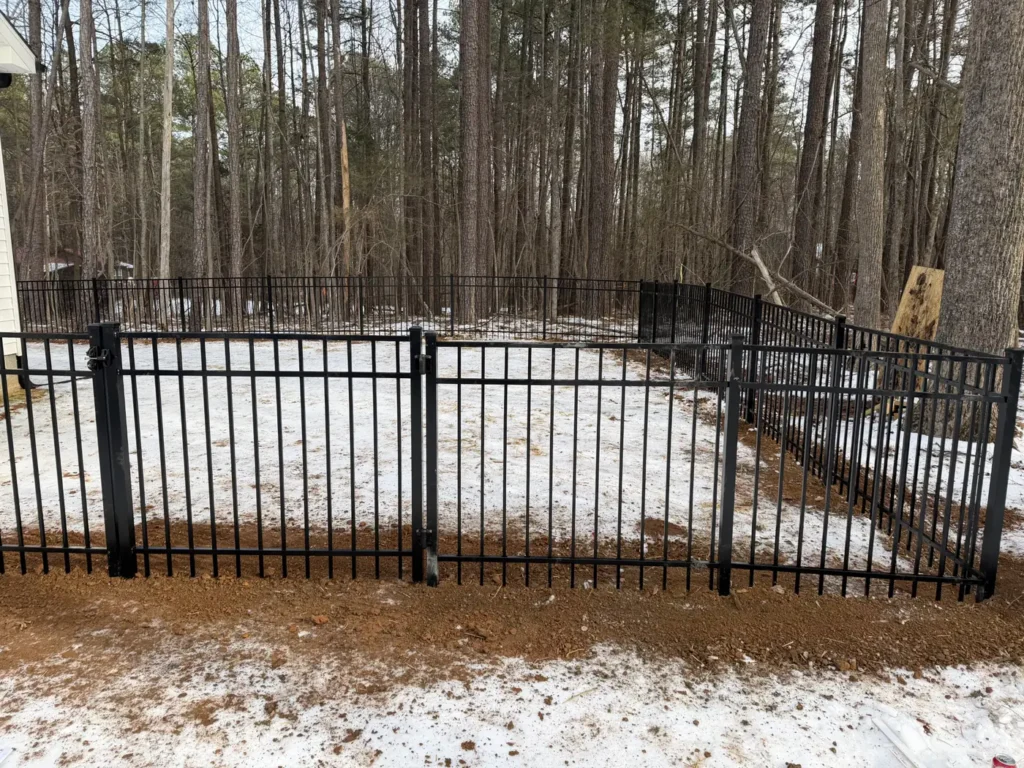
    Black aluminum fence and gate in a snowy yard lined with pine trees

    Weather plays a huge role in fence longevity. In humid areas, wooden fences may require specific treatments, while in colder climates, frost and soil movement can impact post stability. Local contractors already understand these nuances and recommend solutions tailored to your environment.

    Familiarity with Building Codes

    Homeowners often underestimate how complex municipal codes and HOA guidelines can be. A local fencing expert is well-versed in these regulations, ensuring your project passes inspection without costly revisions.

    Access to Local Suppliers

    Using local suppliers means reduced delivery times, access to quality materials, and often lower costs. This also supports your community’s economy and ensures that replacements or repairs can be sourced quickly.

    Trust and Accountability of Local Contractors

    Trust is one of the biggest factors when hiring contractors. Local fencing companies work hard to maintain strong reputations within their communities.

    Reputation in the Community

    Unlike larger corporations that rely on advertising budgets, local contractors depend on their reputation. Positive online reviews, referrals, and long-term customer relationships are vital to their success.

    Personalized Service

    Local contractors often provide a more personal touch. Homeowners frequently deal directly with the owner or lead installer rather than going through layers of sales reps. This direct relationship builds confidence and makes communication clear.

    Same-Day Service and Responsiveness

    One of the most appealing benefits of going local is responsiveness. Whether it’s an emergency repair after a storm or a last-minute project, local companies are far more likely to offer same-day service or quick scheduling.

    How Local Fencing Contractors Ensure Quality

    Quality fencing projects require more than good materials; they require precise installation and careful attention to detail. Local contractors combine technical skill with customer-focused service.

    Customized Solutions

    Local fencing companies understand that every property is different. Instead of pushing a one-size-fits-all product, they design fencing solutions that fit your yard’s layout, slope, and aesthetic preferences.

    Skilled Craftsmanship

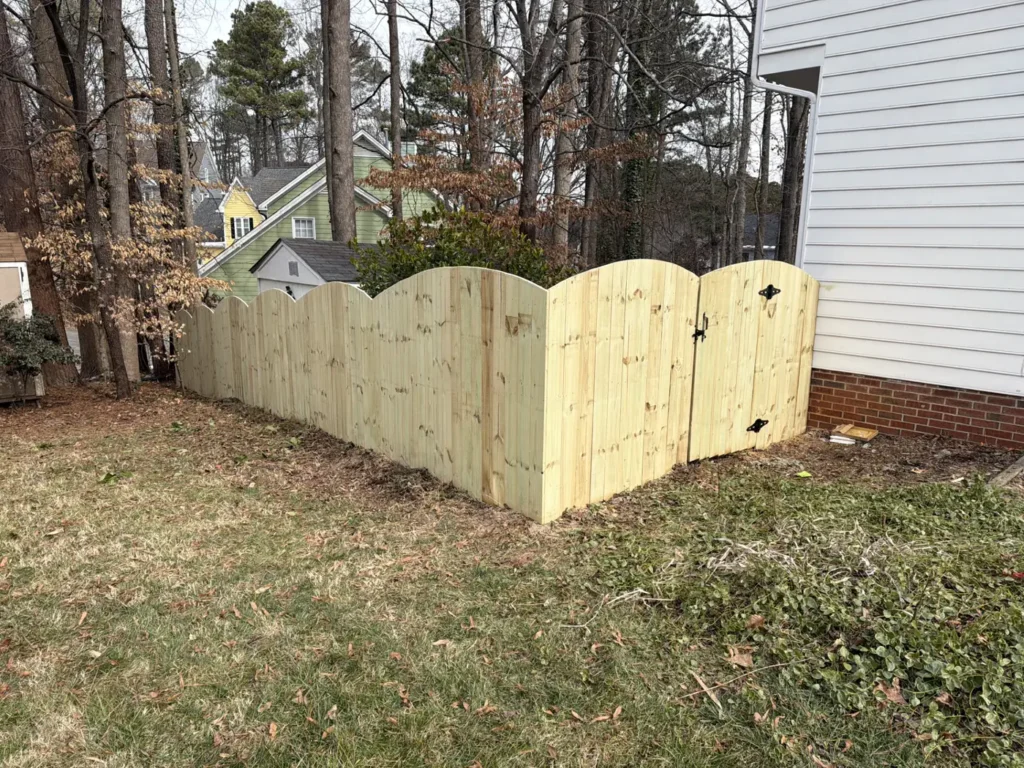
    Wood privacy fence with a scalloped-top double gate

    Years of hands-on experience mean that local crews know how to handle challenges like uneven terrain, tight property lines, or existing landscaping. The result is a fence that looks great and functions reliably.

    Warranty and Ongoing Support

    Most reputable local contractors standby their work with warranties and ongoing support. Whether it’s repairing a gate or touching up paint, they offer maintenance that ensures your investment lasts.

    The Cost Advantage of Local Fencing Services

    While many assume larger companies have better pricing, local contractors often provide more competitive and transparent costs.

    Reduced Travel and Delivery Costs

    With teams and suppliers located nearby, there are fewer overhead expenses. This often translates to lower prices for homeowners without sacrificing quality.

    Transparent Pricing

    Local contractors typically offer itemized quotes, breaking down labor, materials, and other costs. This level of transparency builds trust and avoids the surprise fees that sometimes accompany larger corporate providers.

    Choosing the Right Local Fence Contractor

    Selecting the right contractor is as important as choosing the right materials. Homeowners should focus on credentials, communication, and proven reliability.

    Check Online Reviews

    Consistent positive feedback on professionalism, timeliness, and craftsmanship indicates reliability.

    Ask for References

    Speaking with past clients gives firsthand insight into the contractor’s process and quality of work.

    Verify Licensing and Insurance

    Local regulations vary, but ensuring your contractor is licensed and insured protects you from liability and ensures compliance.

    Request a Detailed Estimate

    A proper estimate outlines costs, timelines, and materials, helping homeowners plan their projects confidently.

    Popular Fencing Materials Offered by Local Contractors

    When it comes to fencing, material choice plays a significant role in aesthetics, durability, and cost. Local fence contractors often provide the following popular options.

    Wood Fencing

    Wood remains a timeless choice for homeowners who value natural beauty and versatility. Contractors can customize wood fences in various styles, from picket to privacy.

    Vinyl Fencing

    Vinyl fencing is a low-maintenance option that resists weathering and requires little upkeep. Local contractors often recommend it for families who prefer durability with minimal maintenance.

    Chain-Link Fencing

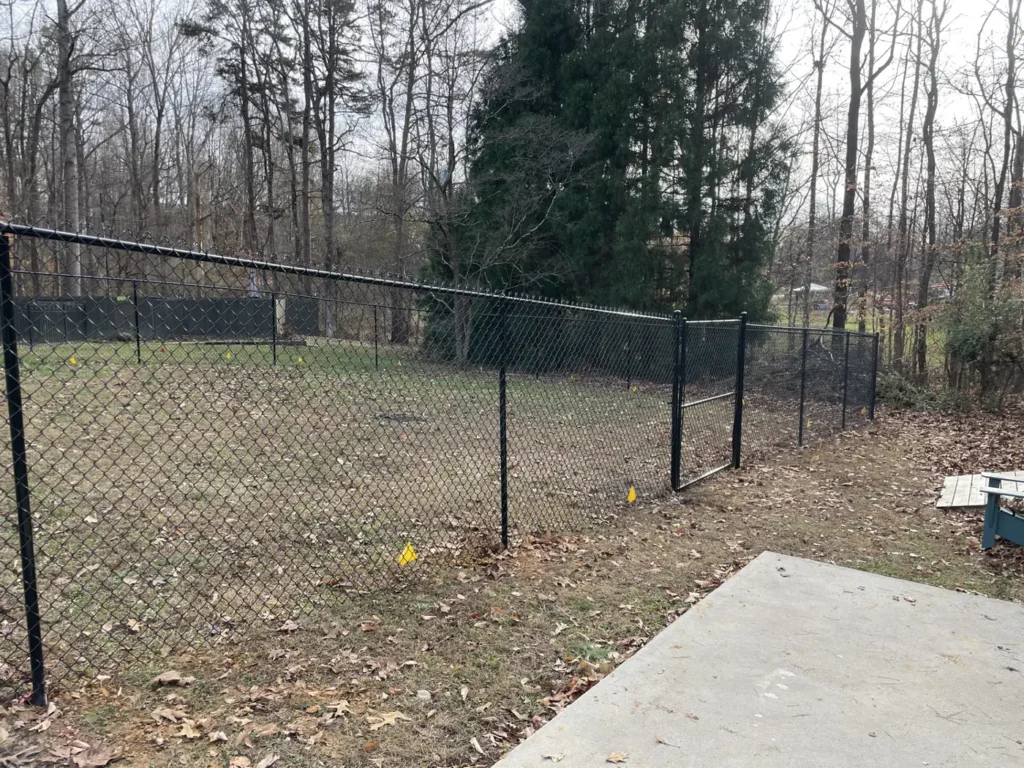
    Black vinyl-coated chain-link fence and gate around a wooded backyard

    Chain-link is practical and cost-effective, making it popular for securing backyards and large properties. Local contractors offer different coatings and heights depending on homeowner needs.

    Decorative and Custom Fencing

    Local fencing experts can design custom fences that match the style of your home, from ornamental iron to hybrid wood-and-metal designs.

    Why Homeowners Prefer Local Fencing Services

    Homeowners consistently report higher satisfaction with local contractors. Beyond the obvious benefits of faster response times and competitive pricing, local contractors are deeply invested in community relationships.

    They not only build fences but also build trust, ensuring that their work reflects positively on their business within the community.

    Conclusion

    Hiring local fence contractors near you is the best choice for homeowners who value expertise, trust, and fast service. Local providers understand regional conditions, comply with local codes, and often deliver same-day service. Their focus on quality craftsmanship and customer relationships ensures long-lasting results that protect and beautify your property.

    By choosing local, you gain peace of mind, support your community, and secure fencing that enhances your home’s value and appearance for years to come. Contact Fence Works today for expert local fencing installation and repair services you can trust.

    Frequently Asked Questions

    Q1: Why should I hire a local fence contractor instead of a national company?

    Local contractors understand your region’s codes, weather, and soil conditions, which ensures higher quality and fewer issues.

    Q2: Can local fencing companies really provide same-day service?

    Yes, many local contractors can handle urgent repairs or smaller installations quickly due to their proximity.

    Q3: How do I know if a local contractor is trustworthy?

    Look at online reviews, ask for references, and ensure they are licensed and insured.

    Q4: Are local fence contractors more affordable?

    Q5: What fencing materials do local contractors recommend?

    They typically recommend wood, vinyl, chain-link, or custom options depending on your property and local climate.