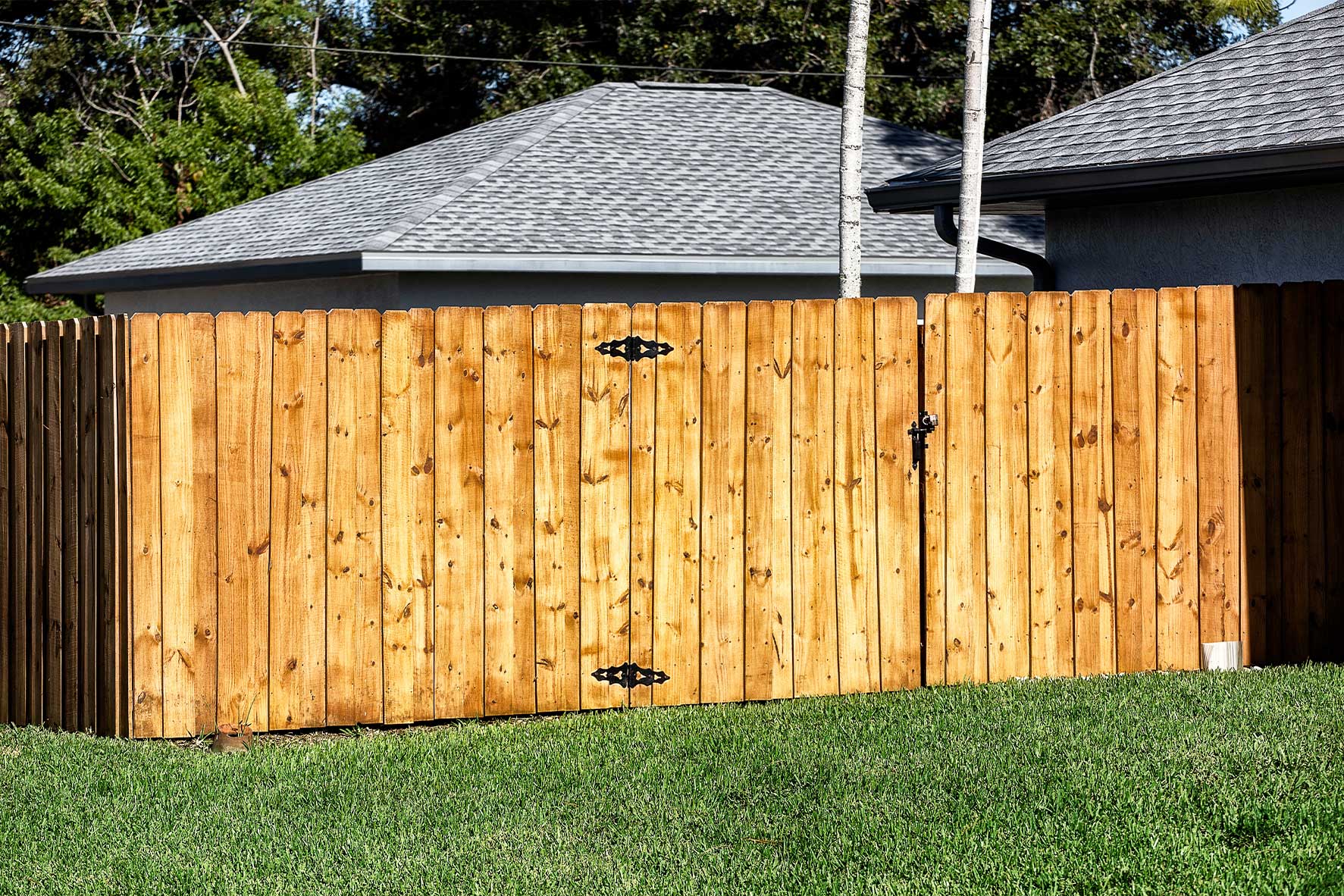
Category: Planning

  • Aging in Place: Safe Fencing Solutions for Seniors

    Aging in Place: Safe Fencing Solutions for Seniors

    Aging in place isn’t just about grabbing bars in the bathroom and wider doorways inside the home. For many seniors, the backyard is where they garden, watch grandkids play, or simply enjoy some fresh air. Thoughtful fencing can turn that outdoor space into a safer, more accessible, and more private environment that supports truly independent living.

    Creating a safe backyard for aging in place starts at the property line, and the right fence installation can make a meaningful difference to day‑to‑day comfort and peace of mind.

    Why Fencing Matters for Backyard Safety when Aging in Place

    For seniors who want to remain in their homes, the backyard can present several risks: uneven ground, steps, changes in elevation, and open boundaries that can feel exposed or unsafe. A well‑planned fence creates a defined, secure perimeter that:

    Many of the same principles that make a yard safer for children and pets- controlled access points, consistent fence heights, and clear visibility- also support older adults who want to age in place safely.

    Key Design Features of Senior‑Friendly Fencingres of Senior‑Friendly Fencing

    Sanding and preparing wooden fence for painting. Senior man restoring picket fence in garden

    For seniors who want to remain in their homes, the backyard can present several risks: uneven ground, steps, changes in elevation, and open boundaries that can feel exposed or unsafe. A well‑planned fence creates a defined, secure perimeter that:

    Many of the same principles that make a yard safer for children and pets, controlled access points, consistent fence heights, and clear visibility, also support older adults who want to age in place safely.

    Key Design Features of Senior‑Friendly Fencing

    A fence designed with seniors in mind goes beyond aesthetics. It should balance security, visibility, and ease of movement.

    1. Consistent, appropriate heightA consistent fence height helps define property lines and reduces tripping hazards by eliminating abrupt visual changes. While child and pet safety often drives height choices, those same guidelines can ensure adults feel secure without feeling boxed in.

    2. Smooth, obstruction‑free surfacesLook for fence materials and designs that minimize sharp edges, protruding nails, or rough boards. Smooth, finished surfaces are easier to brush against or steady yourself on without risk of splinters or cuts. Professional fence installation teams know how to finish posts, caps, and hardware so there are fewer snags and hazards.

    3. Clear sightlinesFor seniors who want security without feeling closed in, semi‑privacy designs,like certain vinyl, aluminum, or custom wood styles, can provide a balance of privacy and visibility. Good lines of sight across the yard make it easier to supervise children, keep an eye on pets, and move confidently from one area to another.

    4. Integration with Pool and Play AreasIf the property includes a pool, play set, or garden steps, the fence design should consider those higher-risk zones. Separate pool fencing, secure gates, and clearly defined transition points between levels all contribute to safer daily use. These features are especially important for seniors, as they help reduce fall risks, improve navigation around the property, and create a safer outdoor environment.

    Accessible, Easy‑to‑Use Gates

    Gates are often the most important, and most overlooked, part of a safe fence installation for seniors. A beautifully built fence still falls short if gates are difficult to open or easy to trip over.

    Consider the following features when designing or upgrading gates:

    • Wider openings to accommodate walkers, wheelchairs, or scooters
    • Lever‑style latches rather than small, stiff thumb latches
    • Low or no thresholds so there’s nothing to step over
    • Smooth, self‑closing hinges that aren’t too heavy or fast
    • Lock placement at a comfortable height for those with limited reach or mobility

    Gate hardware inspired by child‑safety standards can also serve seniors well by preventing accidental openings while still being intuitive to use.

    Low‑Maintenance Materials for Stress‑Free Livingaterials for Stress‑Free Living

    Senior man adjusting fence lock with concentrated precision during home repair. Concept of DIY tasks, outdoor maintenance, security hardware visuals, and practical homeowner routines.

    For many seniors and caregivers, the biggest long‑term concern isn’t how a fence looks on day one, it’s how it will perform years later. A safe backyard becomes even more important when aging in place because homeowners don’t have to climb ladders, haul paint cans, or constantly repair damaged boards.

    Common low‑maintenance choices include:

    • Vinyl fencing: Won’t rot, peel, or need repainting; cleans with a simple rinse.
    • Aluminum fencing: Lightweight, rust‑resistant, and ideal for pool or garden enclosures.
    • Composite options: Combine the look of wood with the durability of modern materials.

    These materials reduce the need for scraping, painting, or replacing boards, tasks that can become physically demanding or unsafe over time. Professional installers can recommend styles that match the home’s architecture while minimizing upkeep. 

    If there’s an existing fence in decent condition, a strategic fence repair or reinforcement may be all that’s needed to support aging in place goals, especially in specific risk areas like steps, gates, and pool surrounds.

    Safety, Codes, and Permits: Doing It Right the First Time

    A safe fence is more than solid posts and sturdy panels; it also needs to comply with local building codes and permitting requirements. These rules often include:

    • Maximum fence heights
    • Required setbacks from property lines
    • Specific standards for pool enclosures
    • Visibility requirements at driveways and corners

    Working with a fence company that understands local regulations can prevent costly changes later and ensure that safety features, like pool gates and fence heights, meet or exceed code.

    Seasoned local fence contractors bring this code knowledge to every project, helping homeowners avoid surprises and maintain safe, compliant yards.

    Why Professional Fence Installation Matters for Seniors

    DIY projects can be rewarding, but fence installation for aging in place is rarely the best place to experiment. Professional installers can:

    • Evaluate slopes, drainage, and existing structures
    • Recommend safer gate placements and walkway alignments
    • Suggest handrails or grab points where terrain changes
    • Customize designs for mobility aids and caregiver access
    • Coordinate repairs or upgrades to existing fences

    Teams with years of experience in custom fence installation are particularly well‑equipped to create unique solutions for complex yards and multi‑generation households. 

    A reputable local fence company will also stand behind their work and be available for adjustments or repairs as needs change over time, an important consideration when planning for long‑term independence. 

    A Practical Checklist for Homeowners and Caregiversecklist for Homeowners and Caregivers

    Friendly relationship with neighbours. Happy men shaking hands above fence outdoors

    To create a safer backyard for aging in place, use this checklist when planning a new fence installation or updating an existing one:

    • Walk the yard and note any trip hazards, steep slopes, or blind spots.
    • Decide which areas must be fully enclosed (e.g., pool, patio, garden).
    • Choose fence heights that balance privacy with visibility.
    • Plan accessible gate locations aligned with main paths and doors.
    • Select low‑maintenance materials that won’t require heavy upkeep.
    • Confirm that designs align with local codes and permit requirements
    • Discuss future mobility needs,walkers, wheelchairs, caregivers, with your installer.

    Creating a safer backyard is an important part of aging in place backyard safety.

    Choosing the right fencing partner ensures your outdoor space is designed to support mobility, security, and long-term independence. An experienced fencing professional can assess your property’s unique layout, recommend solutions that address mobility and safety concerns, and deliver expert installation with clear communication and transparent pricing every step of the way.

    If you or a loved one plans to age in place, don’t wait until a fall or safety concern forces changes. Investing in a thoughtfully designed fence today can help create a more secure, accessible outdoor space that supports independence, privacy, and confidence for years to come. Contact Fence Works today to explore custom fencing solutions that make your backyard safer, more functional, and ready for every stage of life.

  • Hurricane Season Prep: How to Reinforce Your Fence

    Hurricane Season Prep: How to Reinforce Your Fence

    When hurricane season arrives, homeowners typically prioritize roofs, windows, and trees. However, fences often serve as a property’s initial defense and frequently become casualties of high winds. Compromised fencing creates safety concerns, enables pet escapes, and results in substantial post-storm expenses.

    Effective hurricane preparation involves strengthening existing structures, making strategic enhancements, and recognizing when professional installation expertise becomes necessary.

    1. Start with a Storm-Ready Fence Inspection

    Conduct a thorough examination along your fence line, noting these vulnerability indicators:

    • Leaning or wobbly posts: Movement when pressed indicates structural compromise
    • Rotten or cracked wood: Deterioration particularly at post bases and along rails
    • Rusting or loose hardware: Corroded or backing-out screws, nails, brackets, and hinges
    • Warped or broken boards/panels: These catch wind like sails, stressing the entire structure
    • Sagging gates: Misalignment or undermounting issues

    Professional assessment helps determine whether reinforcement, repair, or replacement represents the optimal solution.

    2. Reinforce Fence Posts: Your First Line of Defense

    Posts typically fail first during hurricanes. Properly reinforced posts dramatically enhance structural resilience.

    Key Reinforcement Approaches

    • Check foundation depth: Posts should be set in concrete at least one-third of their above-ground height deep (often 24–36 inches)
    • Repair or replace loose posts: Add concrete footings, compact gravel-concrete mix backfill, or replace rotted wood posts showing soft spots
    • Add temporary bracing: For imminent storms, brace vulnerable posts with angled 2x4s staked into ground, focusing on corners and gate posts

    Multiple failing posts suggest the fence has reached end-of-life and warrants comprehensive replacement designed for wind load resistance.

    3. Strengthen Rails, Panels, and Hardware

    Tighten and Upgrade Hardware

    • Replace rusted nails with exterior-grade or coated structural screws
    • Upgrade weak brackets, hinges, and latches with heavy-duty, corrosion-resistant alternatives
    • Ensure rails connect firmly to posts using proper structural fasteners rather than nails

    Improve Structural Connections

    • Add additional rails to tall wood or vinyl fences to reduce flex
    • Verify each picket in privacy fences has proper, complete fastening
    • Consider metal brackets or mending plates at critical joints to minimize movement under load

    4. Manage Wind Flow: Design Choices That Matter

    Solid privacy fences function as sails during hurricane-force winds. Designs permitting airflow perform more effectively.

    Higher-Performing Fence Styles

    • Shadowbox or board-on-board designs: Staggered boards maintain privacy while allowing airflow
    • Picket or spaced-rail fences: Reduced wind resistance suits storm-prone areas
    • Metal or aluminum fences: Open designs with durable posts and rails withstand high winds effectively

    5. Material Upgrades for Hurricane Fence Prep

    • Replace rotted wood posts with steel or heavier treated alternatives
    • Use concrete for corner, end, and gate posts in hurricane zones
    • Upgrade to high-quality fasteners and hardware (stainless steel or hot-dip galvanized)
    • Address aging wood proactively—in many cases it becomes more cost-effective to repair or replace sections of a wood fence rather than risk escalating damage once severe weather hits

    6. Don’t Forget the Gate: A Common Failure Point

    Gates experience greater stress than any fence section. During hurricanes, weak gates can blow open, twist, and dislodge surrounding posts.

    Storm-Proof Your Gate

    • Install heavy-duty hinges appropriately rated for gate size and weight
    • Use robust latches with full engagement capability, ideally lockable or pinned
    • Add diagonal bracing preventing sagging and racking
    • Ensure the gate frame remains square and aligned

    7. Routine Maintenance: Your Best Long-Term Storm Strategy

    • Clear debris and vegetation that can catch wind
    • Clean and seal wood to extend fence lifespan
    • Check fasteners annually and tighten loose components
    • Document pre-storm conditions photographically for potential warranty or insurance support

    8. When to Call the Pros for Hurricane Fence Prep

    Professional contractors ensure posts reach correct depths and spacing requirements, materials and hardware suit local wind and soil conditions, installation complies with codes and safety standards, and job sites remain clean with minimal disruptions.

    Conclusion

    Fence failure during hurricanes creates more than replacement expenses — it generates safety hazards and post-storm complications. Inspecting, reinforcing, and upgrading fences now represents one of the most effective preparedness measures homeowners can implement.

    Quality materials, thoughtful design, and professional installation ensure fences withstand whatever conditions the hurricane season delivers.

  • 2026 Wood Fence Cost Guide for NC

    2026 Wood Fence Cost Guide for NC

    Wood remains a practical fencing choice throughout North Carolina due to its natural aesthetic appeal, strong privacy capabilities, design customization options, and solid value compared to premium materials. When properly installed with correct post depth and concrete curing time, wood fences can last for decades.

    Average Wood Fence Cost in Graham, NC (2026)

    Current pricing expectations for 2026:

    • $20–$50 per linear foot installed (standard 6-foot fence)
    • Premium designs or lumber: $55–$64 per linear foot
    • Total projects typically range: $3,000 to $10,000

    Urban markets like Charlotte and Raleigh trend higher due to labor demand, while smaller markets like Graham often feature more moderate pricing.

    Wood Fence Cost in Graham, NC: What to Expect Locally

    For standard 6-foot privacy fences:

    Project Size Estimated Cost Notes
    100 linear ft $2,200 – $4,500 Small yard section
    150 linear ft $3,300 – $6,750 Partial backyard
    200 linear ft $4,400 – $9,000 Average full backyard
    250+ linear ft $5,500 – $11,000+ Larger properties

    Assumptions include pressure-treated pine or cedar, 6-foot height, standard gate, and typical Alamance County soil conditions. Sloped yards, rock-heavy soil, double gates, or premium materials increase costs.

    What Impacts Wood Fence Cost in Graham, NC?

    Material Selection

    Pressure-treated pine is the most common choice in central North Carolina, offering affordability and durability when sealed properly. Cedar costs more initially but naturally resists rot and insects, reducing aggressive chemical treatment needs and performing well in humid conditions. The price differential between these materials can shift full-yard projects by several thousand dollars.

    Fence Height and Design Complexity

    Standard 6-foot privacy fences are the most cost-efficient structure. Beyond baseline specifications, costs increase substantially:

    • 7- or 8-foot fences require longer posts and additional lumber
    • Board-on-board privacy styles use nearly twice the pickets of basic designs
    • Decorative tops, lattice work, or custom trim add detailed finish labor

    Taller or more detailed fences typically add 20–30% to total project expenses.

    Soil Conditions and Property Layout

    Flat, accessible lots enable quicker measurement and installation. Sloped yards require stepped or racked installation methods. Rocky soil slows post-digging. Restricted access points may necessitate hand-carrying materials instead of direct delivery. Challenging terrain can increase labor costs by 10–25%.

    Installation Method: Where Quality Really Shows

    Properly built North Carolina fences should include posts set below frost depth, concrete curing completion before rail and board attachment, measured layout for straight runs, reinforced gate framing, and careful alignment preventing sagging.

    Gates and Functional Additions

    Gates function as structural stress points requiring reinforcement. Basic 4-foot walk gates are relatively straightforward, while double drive gates require reinforced posts, heavier framing, and stronger hardware. Without proper reinforcement, sagging becomes inevitable.

    Removal of Existing Fences

    Older fences often feature concrete footings requiring excavation. Disposal fees vary by landfill rates and debris volume. While removal typically adds a few dollars per linear foot, proper site preparation improves long-term reliability.

    Permits and Neighborhood Requirements

    Most standard 6-foot residential fences require straightforward approval, though taller structures or corner lots may need additional review. North Carolina permit fees remain modest, but compliance matters significantly to prevent costly corrections.

    Ongoing Maintenance Costs in North Carolina

    North Carolina’s humidity, steady rainfall, and summer storms present challenges for wood fencing, though proper maintenance extends lifespan substantially. Annual spring inspections should check for loose boards, warping, or moisture damage.

    Resealing typically requires every one to two years depending on sun exposure and rainfall. Restaining or repainting usually occurs every two to five years. Professional staining generally runs between $2 and $14 per linear foot depending on product quality and preparation. Homeowners handling maintenance themselves typically spend $150–$400 annually on materials.

    Properly maintained wood fences commonly last 15 to 30 years. Without upkeep, deterioration may begin much earlier.

    Smart Ways to Manage Wood Fence Cost in Graham, NC

    • Plan installation timing carefully: Late fall and winter typically offer more scheduling flexibility and quicker turnaround times.
    • Keep design straightforward: Long, straight runs with standard heights use materials predictably and reduce installation time.
    • Prioritize build quality over speed: Properly measured, set, and cured fences remain straighter and stronger through seasonal changes.
    • Ask for detailed, itemized estimates: Itemized breakdowns enable fair quote comparisons and informed adjustments.

    Is Wood Fencing Worth It in Graham?

    For most homeowners, wood fencing provides strong privacy, flexible design options, reliable structural performance, and solid resale value, improving both usability and curb appeal across Graham and Burlington neighborhoods.

    Frequently Asked Questions

    How much does a 200-foot wood fence cost in Graham, NC?
    A 200-linear-foot privacy fence typically ranges between $4,400 and $9,000 for standard 6-foot height using pressure-treated lumber on typical residential lots.

    Is pressure-treated pine fence good enough for North Carolina weather?
    Yes, when properly installed and maintained. The key involves proper post depth, complete concrete curing, and consistent wood sealing. Properly built pressure-treated pine typically lasts 15–20 years or longer.

    How long does wood fence installation usually take?
    Most standard residential fences build over several days. Installation begins with measured layout and post setting. After posts secure in concrete with cure time, rails and boards install. Average backyard projects typically take several days depending on size and weather.

  • Best Fences for Autism Safety: Preventing Elopement

    Best Fences for Autism Safety: Preventing Elopement

    For families with autistic children, outdoor safety is critical. Wandering is common among children with autism and can occur suddenly toward water, traffic, or areas of fascination. A properly designed elopement prevention fence reduces risk while allowing outdoor freedom.

    Understanding Autism Elopement and Why Fencing Matters

    Elopement isn’t misbehavior—it’s often driven by fixation, sensory overload, or routine-following. It can happen without warning, even if your child usually stays close. Verbal reminders prove insufficient as sole protection.

    A well-planned fence becomes part of layered safety including supervision and community awareness, not a standalone solution.

    Key Features of an Autism Elopement Prevention Fence

    1. Recommended Fence Height for Autism Safety

    • Minimum 5–6 feet: Higher fences deter climbing attempts
    • Consider individual abilities: Agile climbers may require taller installations
    • Check local codes: Licensed contractors help balance safety with regulations

    Goal: Make climbing difficult enough to provide protection and reaction time.

    2. Best Fence Materials for Autism Safety

    Vinyl (PVC) Fencing

    • Smooth surface resists climbing
    • Low maintenance, no splinters
    • Solid panels reduce visual distractions for sensory-sensitive children

    Aluminum or Steel Fencing

    • Durable and strong
    • Narrow spacing prevents squeezing through
    • Flat-top designs minimize footholds

    Wood Fencing

    • Solid construction works if tall enough
    • Requires regular maintenance for board security

    Climb-Resistant Design: Reducing Escape Opportunities

    Key design elements:

    • No horizontal rails on the child’s side—place rails externally
    • Minimal footholds; avoid lattice tops or wide gaps
    • Smooth, flush surfaces; tightly spaced vertical elements
    • Secure bottom edge with no ground-level gaps

    Gate Safety: Locks, Latches, and Alarms

    Gate Mechanisms

    • Self-closing, self-latching hinges
    • High-mounted latches out of reach
    • Keyed or combination locks for problem-solvers
    • Dual-action latches requiring coordinated movements

    Additional Measures

    • Visual stop signs or colored tape at gates
    • Door/gate alarms for unexpected openings
    • Remove furniture or structures near gates that could serve as steps

    Visibility, Layout, and Sensory-Friendly Design

    Solid fencing on sides facing traffic reduces sensory triggers, while strategic visibility allows supervision from windows and patios.

    The Dake Foundation recommends creating safe, predictable outdoor spaces with clear boundaries, quiet zones with shade, and minimized hazards like unsecured pools or street access. Consider creating smaller safe play zones within larger yards or additional fencing around water features.

    Working with a Professional Fence Contractor

    Choose contractors who hold licenses and insurance, have safety-focused experience, provide design consultations tailored to specific concerns, and deliver quality workmanship with transparent estimates.

    Conclusion

    Designing an elopement prevention fence balances safety and compassion. Prioritizing height, secure materials, climb-resistant design, and strong hardware—combined with thoughtful layout—creates a calming, protective outdoor space.

    FAQs About Autism Elopement Prevention Fences

    What is the best fence height to prevent autism elopement?
    Many families target 5–6 feet or higher depending on local codes and climbing ability. Taller fences deter scaling better than standard 4-foot options.

    Which fence material is safest for children with autism?
    No single material is universally best. Smooth vinyl, strong aluminum/steel, or solid wood with minimal footholds work well. The key is a climb-resistant, sturdy design.

    How can I make my gate more secure?
    Use self-closing hinges, mount latches high, add keyed locks, use alarms, and display visual stop signage.

    Do I still need supervision if I have an autism elopement prevention fence?
    Yes. Fencing is a crucial safety layer but not a replacement for supervision and comprehensive safety planning.

    Can a fence be both safe and visually appealing?
    Absolutely. Custom design allows style and color choices that complement homes while prioritizing safety.

  • How to Toddler-Proof Your Existing Fence

    How to Toddler-Proof Your Existing Fence

    Your safety, security, and satisfaction are at the heart of everything we do. We don’t just install fences—we build lasting relationships by offering solutions that fit your unique needs. At Fence Works, we’re more than just a fence company in Graham, NC—we’re your trusted partner in protecting and enhancing your property.

    Toddlers are natural explorers. One minute, they’re stacking blocks, and the next, they’re testing the limits of your backyard fence. For parents and homeowners, that curiosity can bring a mix of joy and worry.

    A backyard fence should create a safe boundary where kids can play freely. But if the fence installation leaves gaps, weak gates, climbable rails, or worn materials, it may not provide the protection you expect.

    The good news: most existing fences can be improved with practical updates. By inspecting your fence carefully and making a few smart adjustments, you can turn your yard into a safer space for toddlers to play.

    This guide walks through the key steps to toddler-proof your backyard fence without replacing the entire structure.

    Signs You Need to Toddler-Proof Your Backyard Fence

    A fence can look fine at first glance and still have small issues that make it less secure for young children. Toddlers test boundaries constantly by pushing, climbing, and exploring every corner of the yard. A quick check for a few common warning signs can help you spot problems before they turn into safety risks.

    • The Fence Feels Loose or Unstable: A well-built fence should feel solid when you push against it. If sections wobble, lean, or shift easily, the posts or fasteners may have loosened over time. Weather, soil movement, or aging materials can all weaken a fence structure.
    • Gaps Between Boards or Panels are Growing: Small openings between boards can widen as materials expand, shrink, or settle. Toddlers are naturally curious and may try to squeeze through these spaces. Openings that grow too wide can also allow a child’s arm or head to get stuck.
    • The Gate Does Not Close Automatically: A gate that stays open unless someone shuts it creates one of the most common escape points in a fenced yard. In busy households, it’s easy for someone to forget to close it. Self-closing hinges help ensure the gate swings shut every time, reducing the risk of a child slipping out unnoticed.
    • The Latch is Within a Child’s Reach: Toddlers learn quickly by watching adults. If the latch is placed too low on the gate, they may eventually figure out how to open it. Moving the latch higher or installing a child-resistant mechanism makes it much harder for young children to operate while keeping it convenient for adults.
    • Objects Near the Fence Make Climbing Possible: Sometimes the fence itself is secure, but nearby items make climbing easier. Outdoor chairs, toy bins, planters, or stacked firewood can act like steps that help children reach the top of the fence. Keeping a clear space along the fence line removes these climbing aids and reduces the chance of a child trying to scale the barrier.

  • Essential Guide to Pool Safety Fencing

    Essential Guide to Pool Safety Fencing

    A swimming pool should add comfort and enjoyment to your home. It should not add worry. Pool safety fencing is one of the most reliable ways to protect children, guests, and pets…

  • Top 5 Tips for Spring Fence Installation

    Top 5 Tips for Spring Fence Installation

    Discover expert tips for a flawless spring fence installation, enhancing durability and style. Maximize your outdoor space effortlessly this season.

  • Do I Need a Permit for a Fence in NC? Complete Guide

    Do I Need a Permit for a Fence in NC? Complete Guide

    Permit. Home model over paper

    Installing a fence can feel like a simple upgrade. Mark the line, pick your material, and start building. In North Carolina, though, there’s an important first step that often gets overlooked: understanding whether you need a permit.

    This guide breaks down fence permit NC requirements so you can plan your project with confidence, avoid delays, and protect your investment.

    Why Fence Permits Matter in North Carolina

    A fence permit makes sure your project is built on solid ground, both legally and structurally. It confirms that your fence meets local zoning rules, stays within your property lines, and follows safety standards that protect your home and the surrounding area.

    In North Carolina, where regulations vary from one city to the next, permits also act as a checkpoint. They ensure your plans are reviewed before construction begins, so issues like incorrect placement, excessive height, or restricted materials are caught early before they turn into costly fixes.

    Skipping this step can lead to more than just paperwork problems. Homeowners may face fines, be required to move or remove the fence, or deal with delays when selling their property. Even a well-built fence can become a liability if it wasn’t approved properly.

    There’s also a long-term benefit that’s easy to overlook. A permitted fence is documented, which helps with future repairs, property improvements, and resale. It shows that the work was done responsibly and in line with local requirements.

    Do You Always Need a Fence Permit in NC?

    North Carolina does not enforce a single statewide rule for fences. Instead, permit requirements are handled at the local level, meaning your city or county sets the standards.

    When a Permit is Typically Required

    A permit is usually necessary when you are installing a brand-new fence, replacing a significant portion of an existing one, or making changes that affect height, material, or placement.

    When a Permit May Not Be Required

    In some areas, minor repairs or standard backyard fences within height limits may not require a permit. However, this varies widely. What’s allowed in one town may not be allowed in another just a few miles away.

    The safest approach is simple: verify before you build.

    Understanding Fence Height Limits in NC

    Front yard fences are usually limited to around four feet. This keeps sightlines open and maintains a consistent look across neighborhoods. It also plays a role in pedestrians and traffic safety.

    Back and side yard fences typically allow more flexibility, with limits commonly ranging from six to eight feet. These areas are designed for privacy, so taller fences are generally acceptable within reason.

    Zoning Rules: The Local Layer You Can’t Skip

    Homeowners association document

    While permits tell you if you can build, zoning determines what you’re allowed to build and where it can go on your property.

    Setbacks, Easements, and Buildable Space

    Setback requirements often mean your fence cannot sit directly on a sidewalk, road edge, or utility corridor. In some cases, you’ll need to leave a few feet of space between your fence and these areas to maintain safe access and visibility.

    Utility easements are another critical detail. Even if the land is technically yours, easements give utility companies access for maintenance. Building a fence over these areas can lead to removal if access is needed later.

    Special Zoning Conditions to Watch For

    Some properties come with additional zoning considerations that can affect your fence plans.

    Homes on corner lots, for example, must follow visibility rules that prevent fences from blocking sightlines at intersections. This often means reduced height or adjusted placement near the corner.

    If your home is in a historic district, there may be design requirements to ensure your fence matches the character of the neighborhood. This can include restrictions on materials, height, and overall appearance.

    Why Zoning is Where Projects Get Delayed

    Most fence project delays happen at the zoning stage, not because the rules are complicated, but because they weren’t checked early enough.

    The most reliable way to move forward is to confirm zoning details before finalizing your fence design. A quick check with your local planning department can clarify:

    • What’s allowed in your specific zoning district

    • Whether your layout meets setback requirements

    • If there are any special conditions tied to your property

    HOA Rules: Often Stricter Than the City

    A detailed architectural blueprint with a yellow tape measure, a compass, an eraser, a pencil, a pen, and a calculator, conveying precision and planning.

    HOAs are focused on maintaining a consistent look and feel across the neighborhood. Because of that, they often go beyond basic city requirements. It’s common to see rules that limit fence height, restrict certain materials, or require specific styles and colors that match surrounding homes.

    For example, an HOA may allow only wood or vinyl fencing, prohibit chain link entirely, or require a uniform height across all properties. Some communities also restrict where fences can be installed, especially in front yards or highly visible areas.

    Placement Rules and Property Lines

    Where you place your fence is just as important as how you build it. Even a well-built, durable fence can become a problem if it’s installed in the wrong location. Placement rules are designed to prevent disputes, protect public access, and ensure long-term usability of your property.

    Property Line Accuracy

    Most municipalities require fences to be installed fully within your property boundaries. This is why a current survey is often part of the permit process. It provides a clear, legally recognized reference for where your fence can go.

    Relying on old markers, assumptions, or neighboring fences can lead to mistakes. Even a small encroachment onto a neighbor’s property can result in disputes, formal complaints, or required relocation. In some cases, you may have to remove and reinstall sections of the fence entirely.

    Setbacks and Public Space

    Fences usually cannot be placed right up against sidewalks, roads, or certain shared areas. Local codes often require a setback: a small buffer space between your fence and public or utility zones.

    These setbacks serve a few important purposes. They allow safe pedestrian movement, ensure access for maintenance crews, and prevent interference with underground or overhead utilities. Utility easements are especially important to watch for. Even though they may run through your property, they must remain accessible, and fences built over them may need to be removed if work is required.

    Corner Lot Visibility

    Homes located on corner lots have additional placement considerations. Local regulations typically require a “clear view” area near intersections so drivers and pedestrians can see each other without obstruction.

    This often means fences near the corner must be shorter or set farther back from the intersection. In many cases, height limits in these zones drop to around three feet, even if the rest of your fence is taller.

    Gates, Access, and Practical Layout

    Beyond basic placement, it’s also important to think about how the fence will function day to day. Gate placement should allow easy access for people, equipment, and maintenance without interfering with setbacks or public space.

    A well-planned layout considers:

    • Smooth entry and exit points

    • Clearance for landscaping or future repairs

    • Alignment that follows the natural shape of the property

    Fence Works takes time to plan these details to ensure that your fence is not only compliant but also easy to use, maintain, and live with over the long term. Check some of our works here.

    Fence Permit NC Requirements at a Glance

    Requirement Area

    Typical Rule in NC

    Why It Matters

    Permit Trigger

    New build, major replacement, tall fence

    Ensures code compliance

    Front Yard Height

    ~4 feet

    Maintains visibility and streetscape

    Backyard Height

    6–8 feet

    Privacy without safety risks

    Property Line Setback

    2–5 feet (varies)

    Prevents disputes and encroachment

    Materials

    No barbed/electric; limits on chain link

    Safety and neighborhood standards

    HOA Approval

    Often required

    Can override city allowances

    Corner Lots

    Lower height near intersections

    Protects driver visibility

    The Fence Permit Process in NC

    A man in a white shirt and blue overalls measures a metal fence with a yellow tape measure, surrounded by green foliage, conveying focus and precision.

    Preparing Your Documents

    Most applications require a property survey, a site plan showing fence placement, and details about materials and height. Clear, accurate documentation helps reviewers approve your application faster.

    Submitting the Application

    Depending on your municipality, you may apply online or in person. Fees vary but are typically modest compared to the overall project cost.

    Review and Approval

    Review times are often around one to two weeks. If additional information is needed, responding quickly helps keep your timeline on track. Once approved, you’re ready to move forward with confidence.

    Preparing Your Site the Right Way

    Before installation begins, proper site preparation sets the tone for the entire project. A fence that’s carefully planned and installed on a well-prepared site will be more stable, longer lasting, and far less likely to run into issues later.

    Locating Underground Utilities

    One of the most important first steps is calling 811 to have underground utilities marked. This free service identifies the location of gas, electric, water, and communication lines before any digging begins.

    Clearing and Preparing the Fence Line

    A clean, open fence line makes a noticeable difference in how smoothly the installation goes. Removing brush, roots, rocks, and debris allows posts to be set at the correct depth and alignment without obstruction.

    Confirming Layout and Measurements

    Before any digging begins, the fence layout should be clearly marked using stakes and string lines. This step helps verify that the fence follows property boundaries, respects setbacks, and aligns with your design plan.

    It’s also the best time to double-check gate locations, transitions between sections, and how the fence interacts with existing structures like driveways, patios, or landscaping.

    Planning for Drainage and Soil Conditions

    North Carolina properties can vary widely in soil type and grading, which makes drainage an important consideration. Areas where water collects can weaken posts over time, especially if they are not properly set and reinforced.

    Planning for drainage may involve slight grading adjustments or choosing installation methods that improve stability in softer soil. Proper post depth and allowing concrete to cure fully are key to ensuring the fence remains sturdy through seasonal changes and heavy weather.

    Access for Installation and Equipment

    It’s also important to think about how crews and materials will access the site. Narrow pathways, landscaping features, or obstacles can affect how efficiently the work can be completed.

    Creating clear access points helps the installation move in phases without unnecessary delays. It also reduces the risk of damage to surrounding areas, keeping the job site clean and controlled throughout the process.

    Protecting Your Property During the Process

    Good preparation includes protecting what’s already there. Identifying sprinkler systems, garden beds, and hardscape features ahead of time helps prevent accidental damage during digging and installation.

    What Happens If You Build Without a Permit?

    Skipping the permit process can seem like a way to move faster, but in most cases, it creates more problems than it solves. What starts as a simple shortcut can quickly turn into delays, added costs, and avoidable stress.

    Financial Consequences That Add Up

    Most North Carolina municipalities issue fines for unpermitted construction, and those fines can increase over time if the issue isn’t corrected. What may begin as a small penalty can grow into a larger expense, especially if enforcement continues over several days or weeks.

    Required Changes or Full Removal

    If a fence is built without approval, the city has the authority to step in at any stage of the project, even after it’s fully completed. You may be required to stop work, make modifications, or remove the fence entirely.

    This often means paying twice: once for the original installation and again to correct or rebuild it to meet code. Even a well-built fence may need to be taken down if it doesn’t meet zoning or placement requirements.

    Delays During Property Sales

    Unpermitted work can create complications when it’s time to sell your home. Buyers, inspectors, and lenders often look for documentation showing that improvements were completed in compliance with local regulations.

    If a fence doesn’t have proper approval, it may need to be addressed before closing. That can delay the sale, lead to renegotiations, or require last-minute fixes under tight timelines.

    Neighbor Disputes and Complaints

    Fences sit right on the edge of shared space, so they naturally involve your neighbors. If a fence is built without proper approval, it increases the chances of disagreements over property lines, height, or appearance.

    A neighbor complaint is one of the most common ways unpermitted work comes to a city’s attention. From there, the issue can escalate into formal enforcement or even legal action, which adds time, cost, and tension that could have been avoided.

    The Bigger Picture: Avoiding Rework

    The most important thing to understand is that building without a permit doesn’t just risk penalties. It risks redoing the entire project.

    Permits exist to catch issues early, when they’re easy and inexpensive to fix. Skipping that step pushes those corrections to the end of the process, when they’re far more disruptive.

    Start Your Fence Project with a Clear Plan with Fence Works

    At Fence Works, the goal is simple: build fences the right way while making the process easy to understand and easy to follow.

    With an experienced crew, clear communication, and a focus on the right fencing material and proper installation methods, every project is approached with long-term value in mind. Posts are set and allowed to cure properly before building begins. Layouts are measured carefully. Work is done in phases, not rushed, so the final result is sturdy, clean-lined, and built to last. Check our offered solutions here.

    Homeowners also benefit from a straightforward process, including fast estimates and a tech-forward design tool, Design and Estimate tool, that lets you plan your fence with clarity before construction begins.

    If you’re thinking about installing a fence in North Carolina, the next step is simple: start with a plan that’s clear, code-compliant, and built for peace of mind. Contact us today to learn more.

  • New Homeowner’s Guide to Property Fencing

    New Homeowner’s Guide to Property Fencing

    A family stands proudly in front of a newly installed fence, symbolizing their new homeownership journey.

    Buying a home comes with a long list of decisions, and fencing is one that often gets pushed down the priority list. That’s a mistake. The right fence defines your boundary and also shapes how you use your space, how secure you feel, and how your property is perceived from the street.

    A well-built fence creates privacy, adds structure to your yard, and makes outdoor spaces more usable for everyday life. It also plays a direct role in safety, especially for families with children or pets, while helping establish clear property lines from day one.

    There’s also long-term value to consider. A properly installed fence improves curb appeal and can make your home more attractive to future buyers who are looking for privacy and security already in place.

    This guide walks you through the decisions that matter so you can choose a fence installation that fits your property, your lifestyle, and your budget. 

    Understanding Your Fencing Options

    Before you settle on a design, it’s worth taking the time to understand how different materials perform. Each option comes with its own balance of durability, maintenance, and appearance.

    What to Expect from Common Fence Materials

    Choosing the right material is one of the most important decisions you’ll make. Here’s how the most common options compare in real-world use:

    • Wood fencing Wood fencing remains a go-to choice for homeowners who want a natural, versatile look. It works well with almost any property style and can be customized into privacy, picket, or horizontal designs. Different wood fencing styles each have their own appeal. Pressure-treated pine offers a more affordable entry point, while cedar holds up better against insects and moisture but comes at a higher cost.The trade-off is upkeep. Wood needs regular sealing or staining to maintain its strength and appearance over time.

    • Vinyl fencing Vinyl fencing is built for homeowners who want a clean look without ongoing maintenance. It doesn’t fade, warp, or require repainting, making it a strong option for long-term convenience.While the upfront cost is higher, it pays off in reduced maintenance over the years.

    • Metal and aluminum fencing Metal fencing offers strength and a more refined appearance. Aluminum, in particular, provides the look of wrought iron without the risk of rust, making it a practical choice for decorative boundaries and security.These materials are durable, low-maintenance, and well suited for both residential and commercial properties.

    • Chain link fencingWhen function matters more than appearance, chain link fencing delivers. It’s cost-effective, durable, and ideal for large areas, pet enclosures, or utility spaces where visibility is important.

    Designing a Fence That Fits Your Property

    A man drills into wood while constructing a fence, illustrating a step from the New Homeowner's Guide to Property Fencing.

    Material is only part of the decision. The way your new fence is designed will determine how well it performs and how it complements your home.

    Design Elements to Think Through

    Before installation begins, take a step back and consider how your fence installation will function day to day:

    • Fence heightPrivacy fences are typically around 6 feet tall, while decorative options sit closer to 3–4 feet. Local codes and HOA rules often set limits, so this isn’t just a design choice.

    • Style and layoutYour fence style and layout should feel like part of your home, not an afterthought. Traditional homes often suit classic vertical or picket designs, while modern properties lean toward horizontal lines or streamlined metal.

    • Gates and access pointsThink about how you’ll move through the space. Well-placed gates improve convenience and can be designed to match the overall look of the fence.

    • Finishing detailsPost caps, lattice tops, and decorative elements add character without compromising function.

    A thoughtfully built fence ties the whole property together while making it more secure and usable.

    Balancing Budget, Function, and Long-Term Value

    It’s easy to focus on upfront cost, but fencing is a long-term investment. What you save today can turn into added maintenance later.

    How to Make a Practical Decision

    Start by defining what matters most for your property:

    • Privacy for outdoor living

    • Security for your home and family

    • Containment for pets

    • Visual appeal from the street

    Once your priorities are clear, it becomes easier to narrow your options.

    Here’s what to keep in mind:

    • Lower-cost materials like wood may require ongoing maintenance

    • Higher upfront options like vinyl reduce long-term upkeep

    • Durable materials often provide better value over time

    Working with a contractor who provides clear estimates helps you understand the full picture, not just the installation price. 

    Planning for Climate and Surroundings

    A white fence borders a house, serving as a visual guide for new homeowners on property fencing options.

    Your environment has a direct impact on how your fence performs. What works in one area may not hold up in another.

    In humid climates, materials like treated wood, cedar, or vinyl tend to last longer and resist moisture damage. Areas with temperature swings require materials that can expand and contract without warping or cracking.

    It’s also worth looking around your neighborhood. While your fence should reflect your preferences, staying within the general style of nearby properties can help maintain overall property value and avoid unnecessary friction with neighbors. 

    Navigating Regulations and Property Lines

    Before any installation begins, there are a few essential steps that protect both your investment and your relationships with neighbors.

    What You Need to Confirm First

    Skipping this stage can lead to delays, fines, or even having to remove your fence entirely.

    • Verify propertyA professional survey removes any guesswork and ensures your fence is placed correctly.

    • Check local regulationsMunicipal codes often control height, placement, and materials. HOA guidelines may add another layer of requirements.

    • Understand permit requirementsSome areas require permits before installation begins. This varies by location and needs to be confirmed early.

    Talk to Your Neighbors Early

    A quick conversation can go a long way. Letting neighbors know your plans helps avoid misunderstandings and can even open the door to shared solutions where it makes sense. 

    Steps That Set a Fence Project Up for Success

    Two men installing a wooden fence, illustrating a step in the New Homeowner's Guide to Property Fencing.

    A fence installation should never feel rushed. Proper planning keeps the project on track and avoids costly adjustments later.

    What a Well-Run Project Includes

    Professional installers follow a structured process that covers every detail:

    • Site evaluation and measurements

    • Identification of slopes, obstacles, and access points

    • Utility line checks before digging

    • Material selection based on environment and usage

    • Clear timelines and documented agreements

    This approach keeps the project predictable and ensures the final result matches what was planned from the start. 

    Professional Installation vs DIY

    Installing a new fence might seem straightforward, but the details matter more than most homeowners expect.

    What to Consider Before Doing It Yourself

    There’s more involved than setting posts and attaching panels:

    • Proper post depth and spacing determine long-term stability

    • Uneven ground requires adjustments to keep lines straight

    • Local soil conditions affect how posts are secured

    • Mistakes can lead to leaning, sagging, or early failure

    Professional contractors bring experience that helps avoid these issues. They understand local conditions, follow building codes, and carry insurance that protects you during the project.

    They also stand behind their work, which adds peace of mind long after installation is complete.

    Maintaining Your Fence Over Time

    A fence is built to last, but it still needs attention. Regular maintenance keeps it looking good and functioning the way it should.

    What Maintenance Looks Like by Material


    Each material has its own care routine:

    • Wood fencingRequires periodic cleaning, sealing, or staining to protect against moisture and wear. With proper care, it can last decades.

    • Vinyl and aluminum fencingSimple to maintain. Occasional cleaning with soap and water is usually enough to keep them in good condition.

    • Metal fencingNeeds periodic checks for rust or coating wear, especially in coastal or humid environments.

    Catching Issues Early

    Regular inspections help you spot:

    • Loose posts

    • Warping or cracks

    • Sagging gates

    Addressing small problems early prevents larger repairs later.

    Seasonal Upkeep

    Simple steps like clearing debris around posts and keeping hinges lubricated help your new fence handle changing weather conditions without unnecessary strain.

    Building it Right from the Start

    A fence is part of how your home functions every day. It defines your space, adds security, and creates a more comfortable environment for you and your family.

    Fenceworks Pro approaches every project with that in mind. The focus is on building fences that fit the property, perform over time, and designed to add real value. From material selection to final installation,  the goal is simple: deliver a fence that works as well as it looks.

    Make the right investment from the start. Contact Fenceworks Pro today to plan a fence that fits your property, holds up over time, and adds lasting value to your home.